English
 How to Choose Wood Look Plank Style Laminate Flooring That Actually Lasts
Home > News > Industry News > How to Choose Wood Look Plank Style Laminate Flooring That Actually Lasts

Content
Not every plank floor sold under the laminate category performs the same way once it is walked on daily for a decade. The construction underneath the printed surface determines almost everything: how it resists dents from furniture legs, how it handles a spilled glass of water near the kitchen sink, and whether the seams stay tight after a few seasons of humidity swings. Wood Look Plank Style Laminate Flooring has become a common choice precisely because it can replicate the grain, knots, and color variation of real timber while offering a core structure engineered for higher traffic tolerance than solid wood typically allows.
The buying decision usually comes down to four layers working together: a wear layer that resists abrasion, a printed design layer that carries the visual pattern, a high density fiberboard core that provides structural rigidity, and a backing layer that balances moisture response. Each layer contributes to overall flooring aesthetics as well as long term flooring durability, and skipping evaluation of any one layer tends to produce disappointing results within two or three years.
Practical note: A floor that looks identical to another on a showroom sample can perform very differently once the core density and wear layer thickness are compared side by side.
Abrasion class ratings are the most reliable published indicator of how a floor will hold up under foot traffic, rolling chairs, and pet claws. Ratings typically range from residential light use through commercial heavy use, and the wear layer thickness tends to scale alongside that rating. A thin wear layer may look fine on day one but can show dulling and light scratching within twelve to eighteen months in a busy hallway.
Thicker wear layers cost more at purchase but reduce the visible wear pattern that develops in entryways, kitchens, and stair landings. For households with large dogs or frequent furniture rearrangement, an AC5 rating is generally a safer baseline than AC3, even in a purely residential setting.
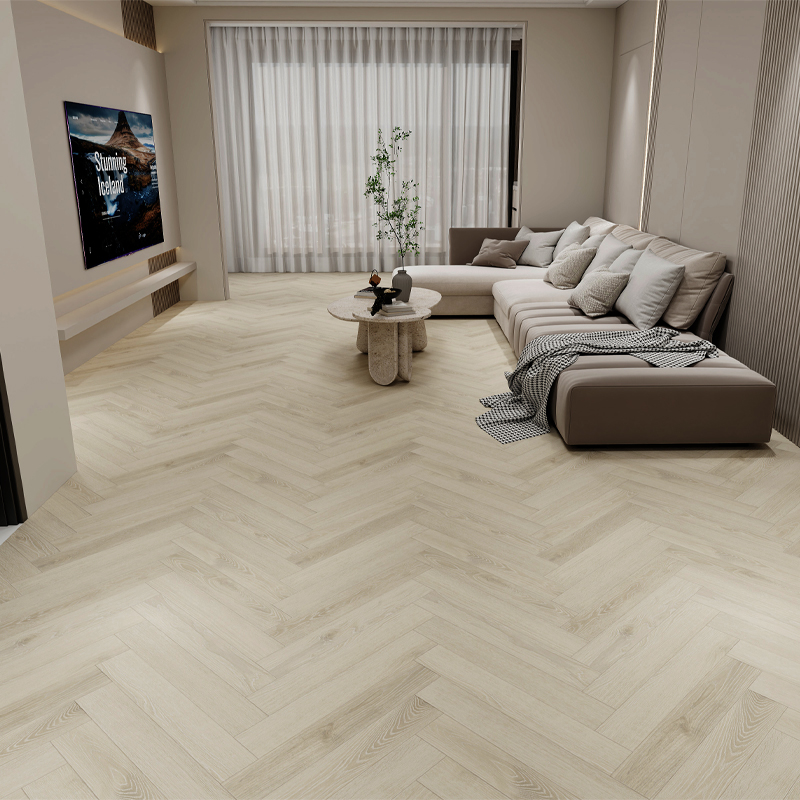
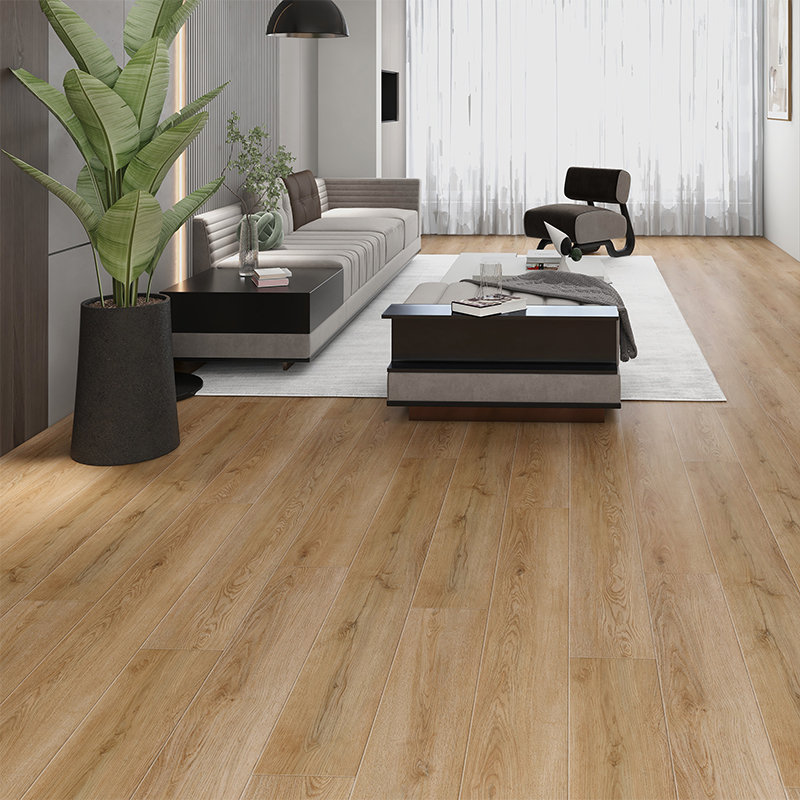
Beyond performance numbers, flooring aesthetics carry real weight in how a room feels day to day. Wider planks tend to make small rooms read as more open because there are fewer seam lines breaking up the visual field, while narrower, more traditional plank widths suit rooms with heavy furniture or classic trim work. Wide Plank Style Laminate Flooring in particular has gained traction in open concept living areas and kitchens where a continuous, uninterrupted look is the goal.
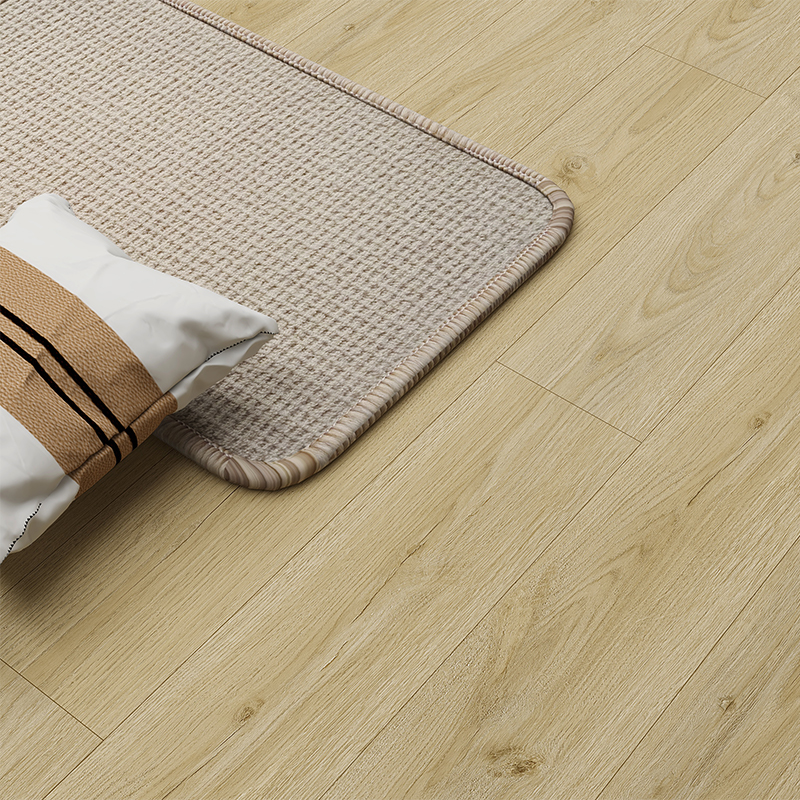
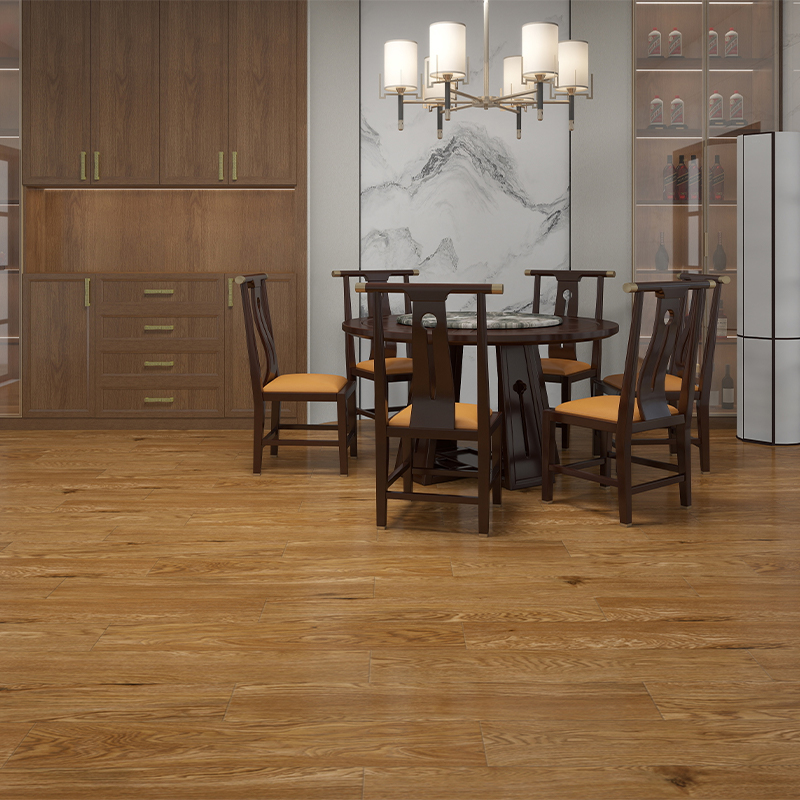
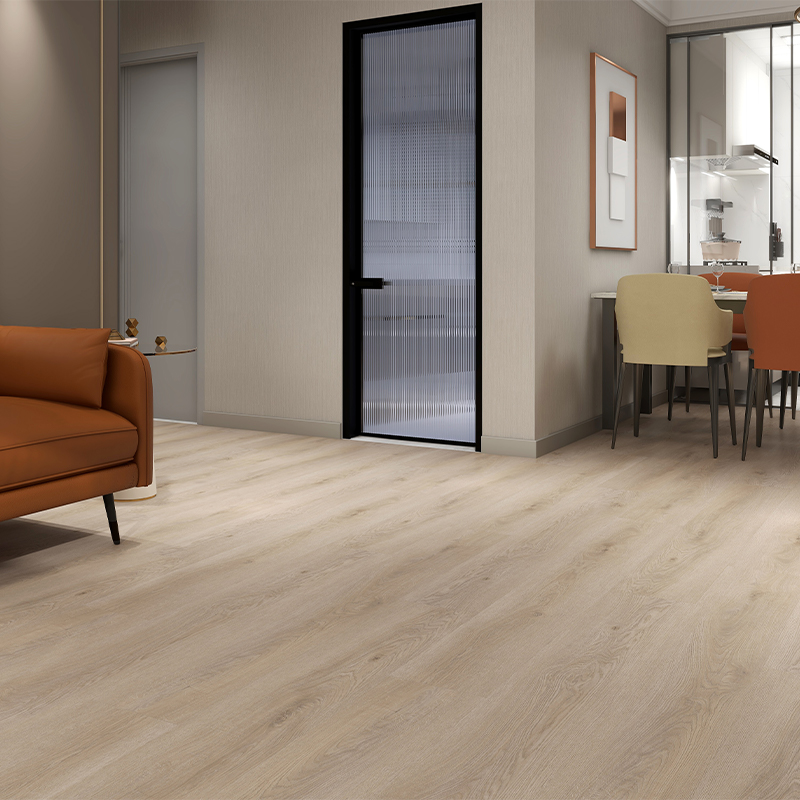
Color undertone also matters more than most buyers expect. Warm honey and amber tones tend to complement traditional furnishings and warmer wall palettes, while cooler gray-brown and driftwood tones pair naturally with contemporary or minimalist interiors. Reviewing a sample under the actual lighting of the room, rather than under showroom fluorescents, avoids a common mismatch between expectation and installed result.
| Plank Style | Best Suited Room | Visual Effect |
|---|---|---|
| Wide Plank | Open concept living, kitchen | Fewer seams, expansive feel |
| Long Plank | Hallways, extended corridors | Elongates sightlines |
| Standard Plank | Bedrooms, home offices | Classic, traditional grain rhythm |
Scratch-resistant flooring depends on more than the wear layer alone. Surface texture, such as embossed-in-register finishes that mirror the printed wood grain, helps disguise fine surface marks because light scatters across the texture rather than reflecting off a flat sheen. Matte and low-gloss finishes generally hide daily wear better than high-gloss finishes, which tend to highlight even minor scuffing.
The comparison above reflects a general pattern rather than any single product line: laminate constructions tend to edge out solid hardwood on moisture tolerance, installation ease, and cost efficiency, while hardwood retains an advantage in repairability since scratched boards can sometimes be sanded and refinished. Laminate typically closes that gap by being replaceable board by board at a lower material cost.
Comparing flooring purely on the upfront price per square foot tends to mislead buyers. A lower-grade floor that needs replacement in year seven can cost more over fifteen years than a higher-grade floor purchased at a premium and left untouched. Tracking cost per year of expected service life gives a clearer financial picture.
The premium grade line drops sharply because its replacement horizon extends well past fifteen years, spreading a higher initial cost across more years of use. The budget grade line declines more slowly because partial replacement and refinishing costs recur, keeping the effective annual cost elevated for longer.
Moisture exposure is the single most common reason a laminate floor underperforms its rated durability. A core rated for general residential use can still swell at seams if installed in a room with regular standing water or high ambient humidity without an appropriate moisture barrier. Working through installation conditions before purchase avoids costly rework later.
Basement and below-grade installations deserve particular attention. Even a floor with strong abrasion ratings can fail prematurely if the vapor barrier underneath is inadequate, since moisture pressure from below is often more damaging over time than surface spills that are wiped up quickly.
Most buyers focus first on color and pattern, but durability and moisture handling tend to matter more for long term satisfaction. A useful exercise is ranking the criteria that matter for the specific room being floored, since a home office has very different priorities than a mudroom.
Aesthetics and durability typically rank highest in buyer surveys, which is precisely why Long Plank Style Laminate Flooring designed with realistic grain photography and a mid-to-high abrasion class tends to satisfy both priorities at once, particularly in main living areas that see the most daily use.
Even a well-chosen floor benefits from consistent, low-effort maintenance. Dry or slightly damp cleaning methods generally outperform wet mopping, since standing moisture at the seams is the most common cause of early edge swelling. Felt pads under furniture legs and doormats at entry points reduce the grit that causes fine surface scratching over time.
| Practice | Frequency | Primary Benefit |
|---|---|---|
| Dry dust mopping | 2 to 3 times weekly | Removes abrasive grit |
| Damp mopping, no standing water | Weekly | Prevents seam swelling |
| Furniture pad inspection | Monthly | Reduces dent and scratch risk |
| Entry mat placement | Ongoing | Cuts grit entry at the source |
These habits align with broader home decor trends favoring low-maintenance interior materials, where the appeal of a wood-look surface comes with far less upkeep than solid timber typically demands.
With an appropriate abrasion class for the room and reasonable maintenance, a mid-to-premium grade floor commonly lasts between fifteen and twenty five years before wear layer thinning becomes visible.
Not significantly. Wide planks require slightly more attention to subfloor flatness since imperfections are more noticeable over a larger board surface, but the click-lock installation process itself is comparable.
In many cases yes, provided the tile surface is flat, clean, and stable, with an appropriate underlayment used to manage minor surface irregularities and sound transmission.
Not automatically. A higher class improves scratch and wear resistance, but color realism, moisture handling, and installation quality all contribute to overall satisfaction and should be weighed together.
Choosing based on color alone without checking the abrasion class and moisture rating against the room's actual traffic and humidity conditions is the most common and costly mistake.