SPC Vinyl Floor Edge Trim Suppliers
Floors in commercial high-traffic areas face a relentless daily routine: thousands of foot passes, ...
Read More


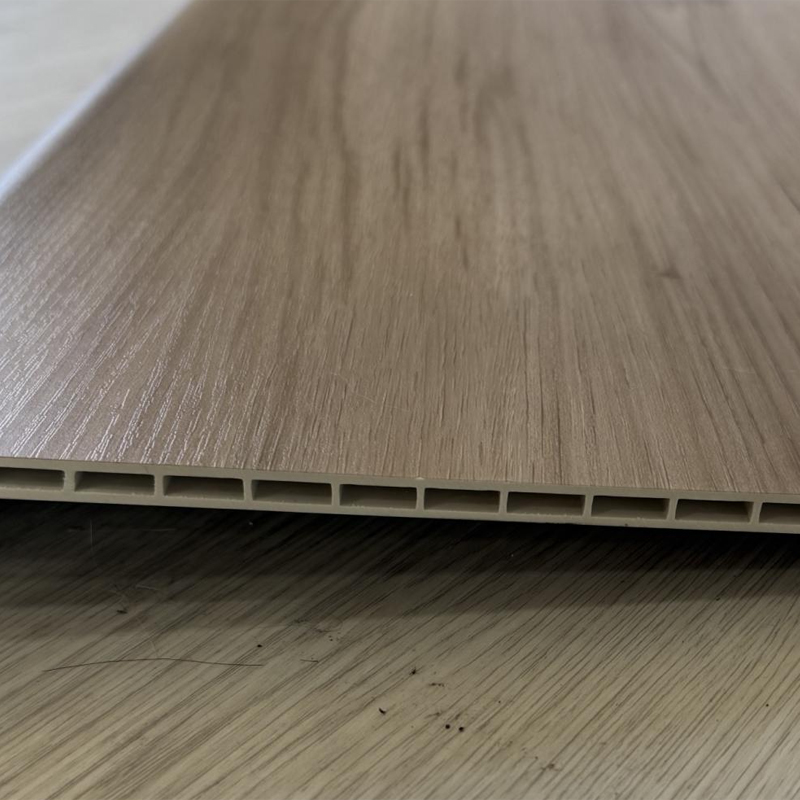
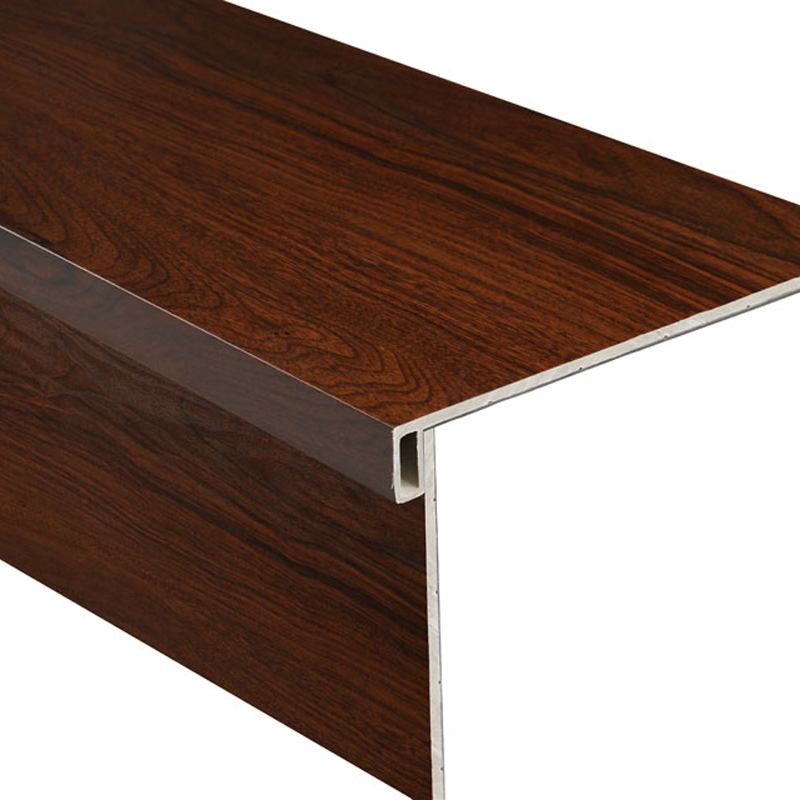
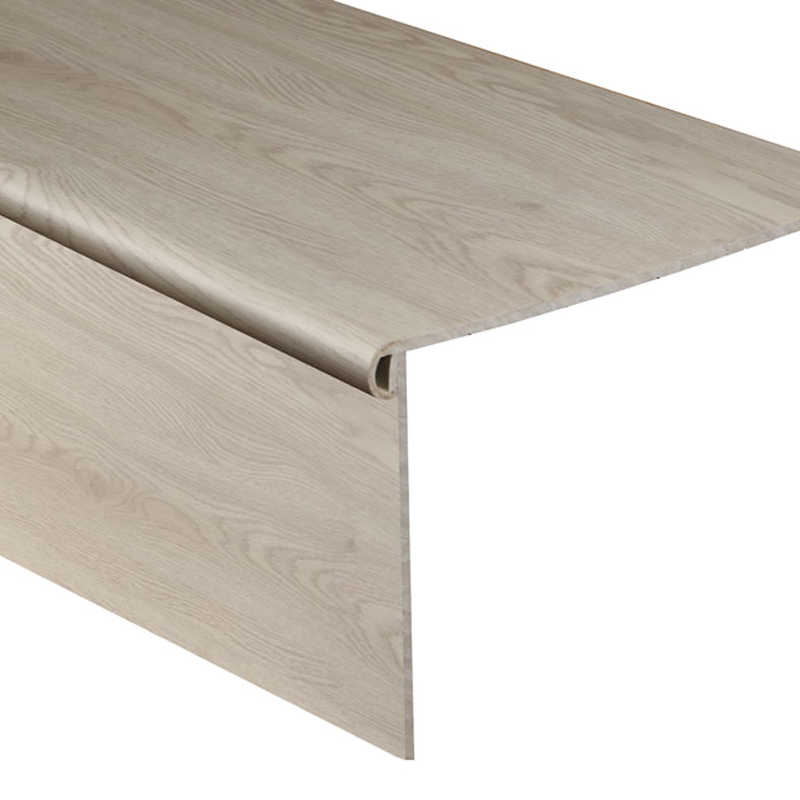
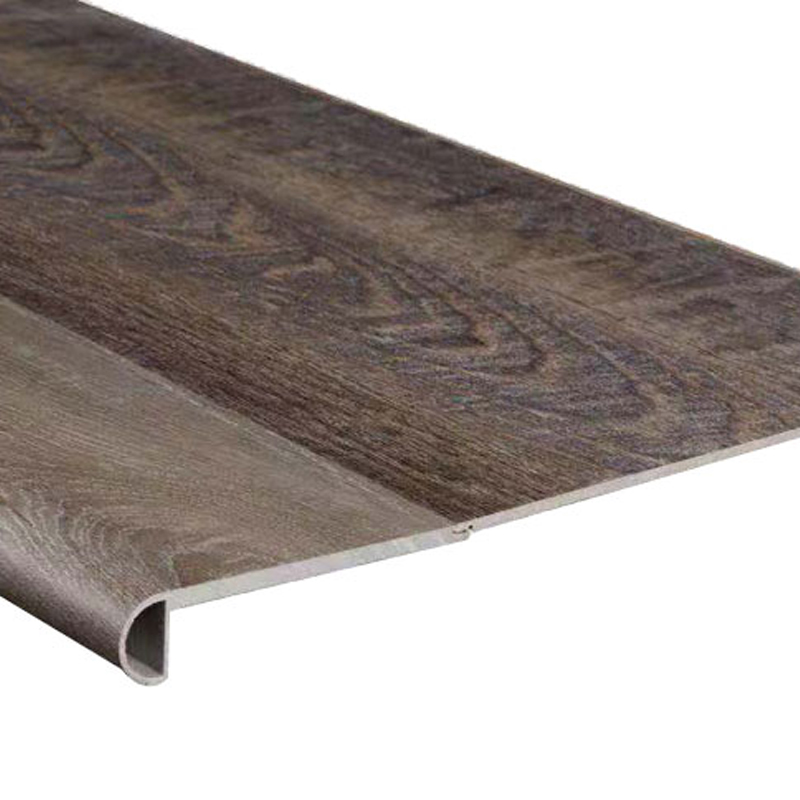
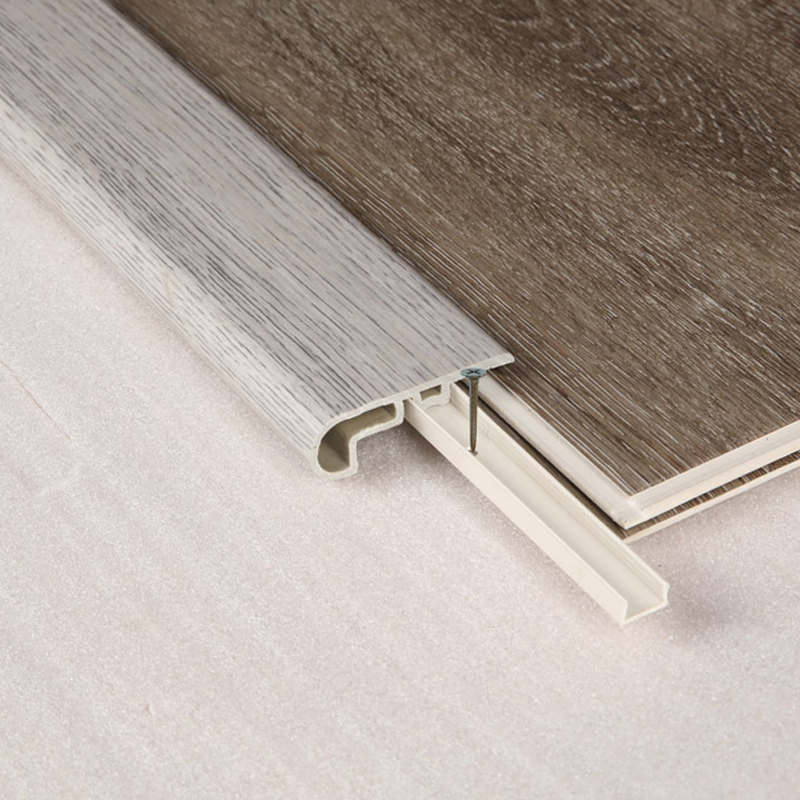
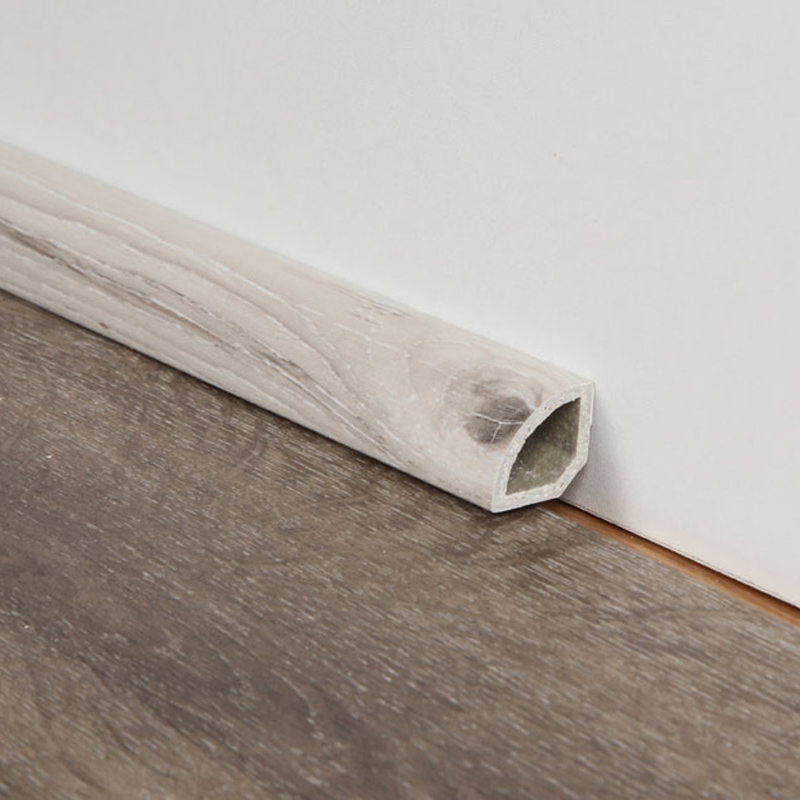
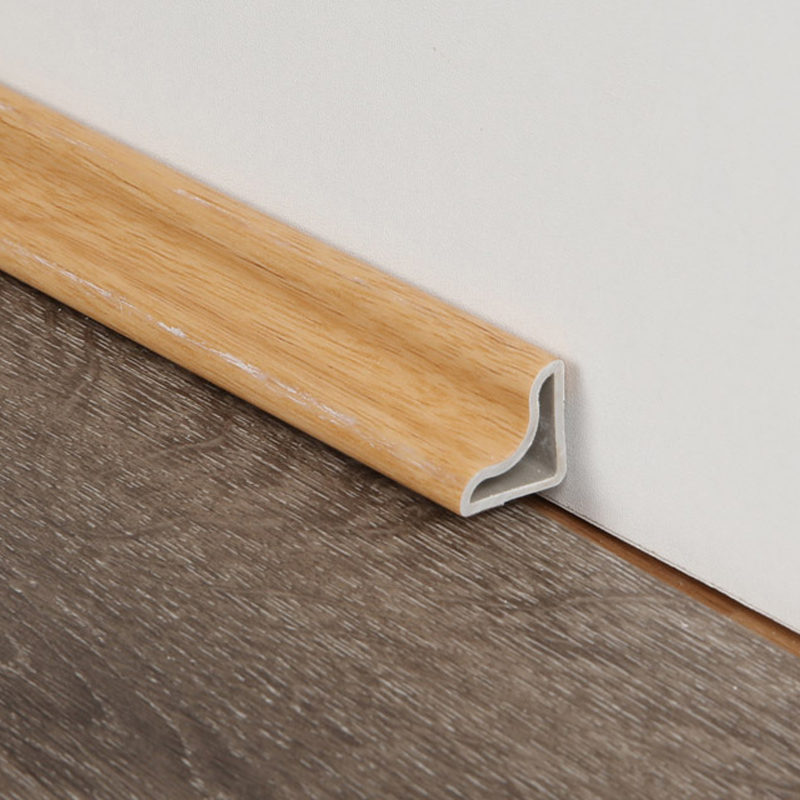
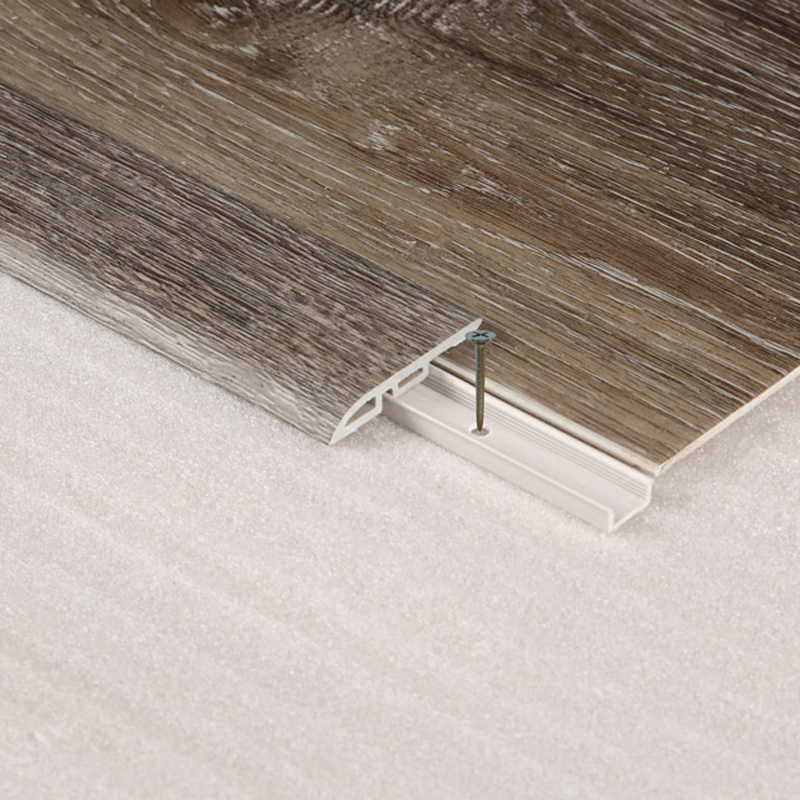
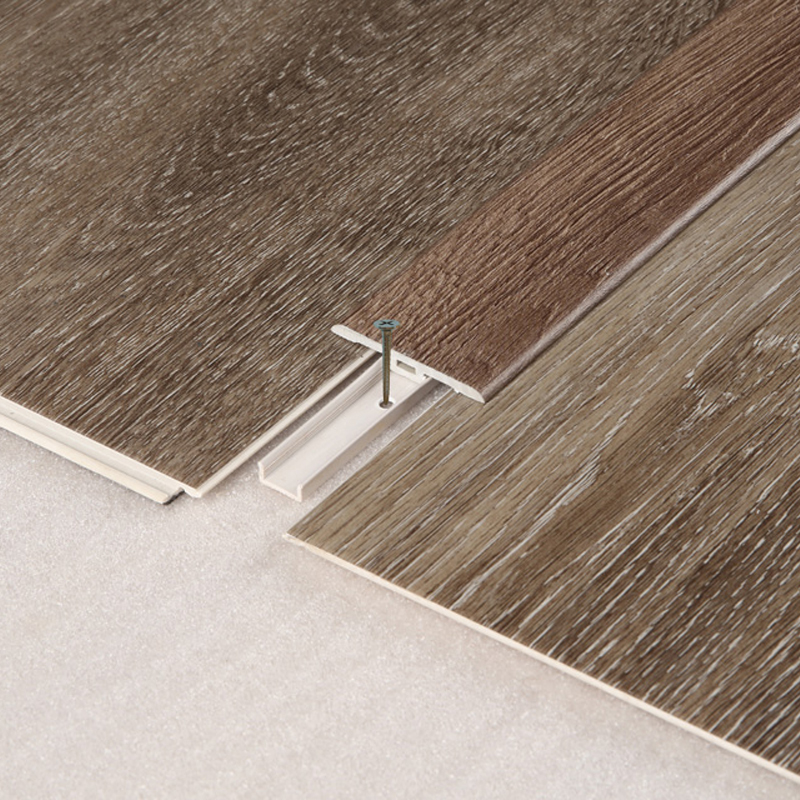
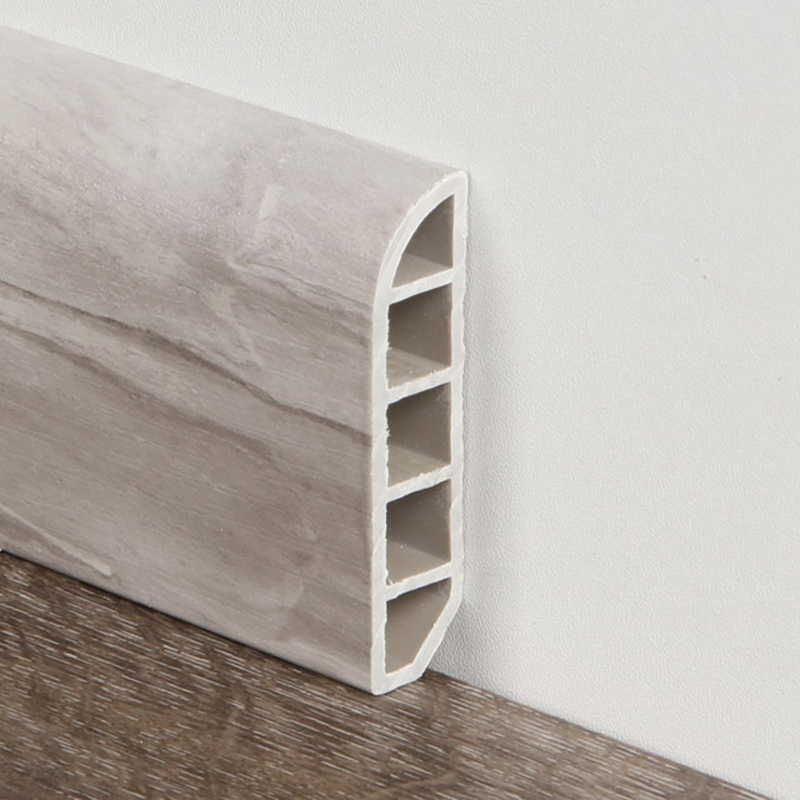
SPC Transition has many shapes and dimension, is used for connecting different rooms and spaces, could also be used as decoration on flooring. Different shape of SPC transition is used in different places. SPC Transition could be installed with SPC Flooring; waterproof is the key feature.


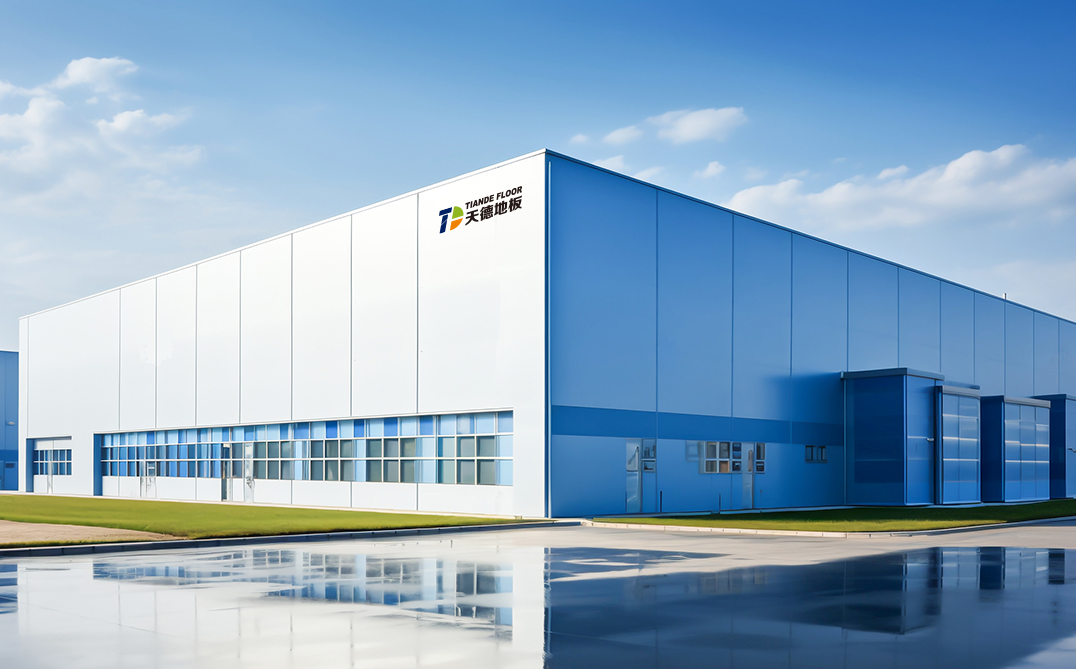
Committed to green and sustainable development, we use high-tech eco-friendly materials to replace natural wood and actively contribute to protecting forest resources and creating a healthier living environment.
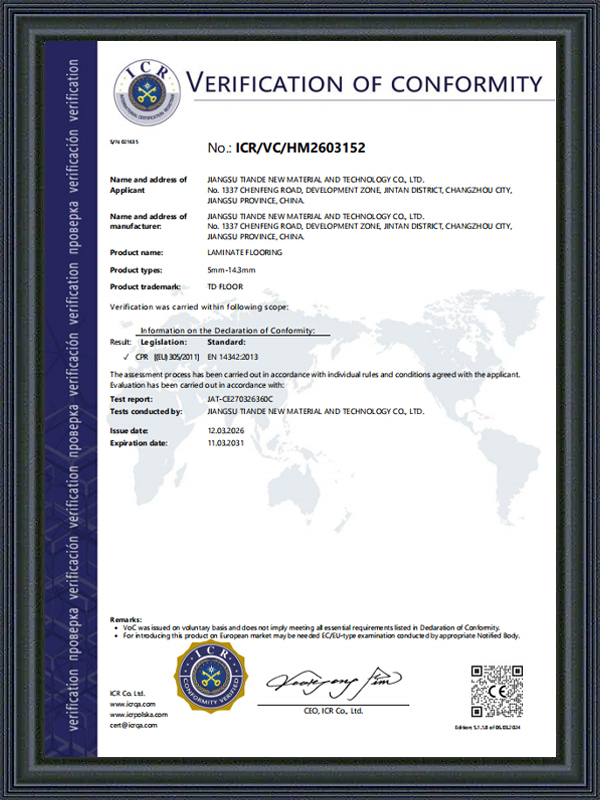
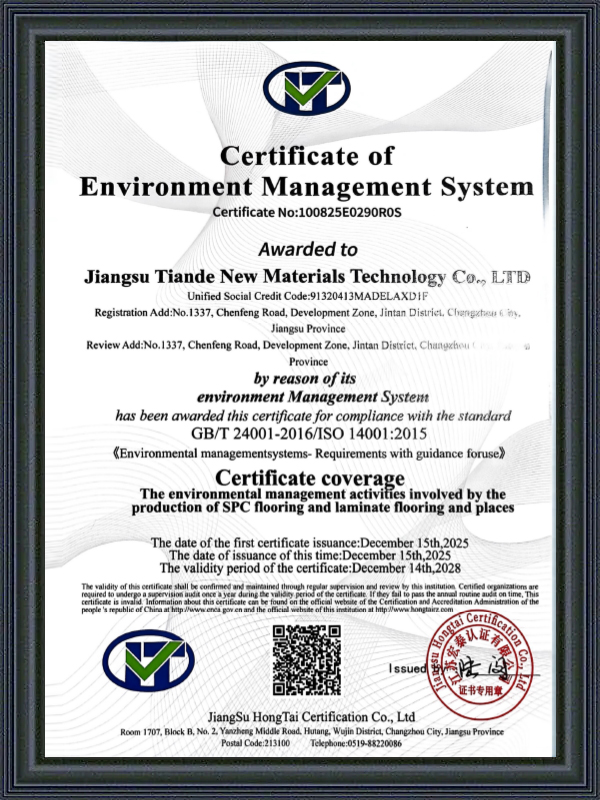
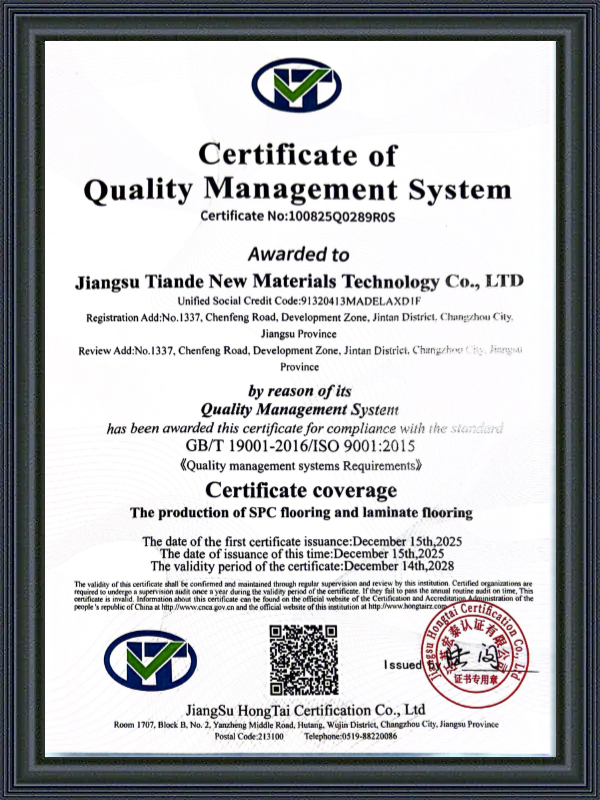
Floors in commercial high-traffic areas face a relentless daily routine: thousands of foot passes, ...
Read MoreWalk into any flooring showroom and you will hear "PVC," "vinyl," and "SPC" used almost interchang...
Read MoreWhy Kitchens Demand a Different Approach to Flooring A kitchen floor works harder than almost any o...
Read MoreIn modern interior architecture and flooring system design, the connection between different functional zones is not merely a visual matter—it directly affects durability, safety, and maintenance efficiency. As buildings become more complex and design trends shift toward seamless yet multifunctional spaces, the demand for professional transition solutions has grown significantly. At the heart of these solutions lies the spc transition, a critical component that bridges flooring materials across rooms, levels, and usage scenarios. But why is this transition so necessary? This article explores the functional, structural, and economic imperatives behind spc transition, with a detailed focus on product categories, technical performance, and the professional capabilities offered by Jiangsu Tiande New Material and Technology Co., Ltd.
Without proper edge treatment and connection profiles, flooring systems risk premature wear, moisture intrusion, and safety hazards such as tripping. The spc transition addresses these challenges by providing a robust mechanical bridge between floors of varying thicknesses, materials, or subfloor conditions. Moreover, spc floor transition strip designs are engineered to absorb minor subfloor movements, reducing stress on locking systems and preventing edge chipping—a common failure point in floating floor installations. From a maintenance perspective, clean transition lines simplify cleaning routines and protect the floor core from abrasive particles. Jiangsu Tiande New Material and Technology Co., Ltd. has integrated these insights into its product development, ensuring that every spc vinyl floor edge trim delivers not only aesthetic continuity but also long-term structural reliability.
To meet diverse installation environments, spc flooring transition profile solutions are classified into three primary series. Each category addresses specific functional demands, from high-traffic commercial corridors to humidity-sensitive residential spaces. Below is a detailed examination of these categories, including their technical definitions, application scenarios, and comparative advantages.
T-molding is the most widely used solution for connecting two flooring surfaces of equal height, typically between adjacent rooms or across doorways. Its symmetrical T-shaped cross-section sits flush with both floor surfaces, creating a nearly invisible joint while accommodating slight expansion gaps. The core function of this spc transition profile is to maintain visual continuity while allowing independent movement of each floor panel—critical in large installations where thermal expansion could otherwise cause buckling.
In terms of technical characteristics, T-molding profiles from Jiangsu Tiande New Material and Technology Co., Ltd. are manufactured with high-density SPC core layers and a wear-resistant overlay, ensuring they match the durability of the main flooring. They are particularly effective in residential hallways, office corridors, and retail entrances where foot traffic is moderate but aesthetic demands are high. Compared to other categories, T-molding offers the simplest installation with minimal surface profiling, making it a cost-effective choice for standard transitions. The company’s automated production lines ensure precise dimensional tolerances, reducing on-site trimming and waste.
Reducer strips are designed for situations where adjoining floor surfaces differ in height—typically when connecting SPC flooring to thinner materials like vinyl sheet, cork, or ceramic tile. The gradual slope of the reducer minimizes tripping risks while guiding foot traffic smoothly across the height change. This spc floor transition strip is essential in multi-material kitchens, bathroom entrances, or where underfloor heating systems alter floor build-up levels.
From a technical perspective, reducer profiles incorporate a strengthened base flange that screws or glues directly to the subfloor, providing a stable anchor even under dynamic loads. Jiangsu Tiande New Material and Technology Co., Ltd. offers reducers with pre-attached foam backings for acoustic insulation—a feature that reduces impact noise transmission between rooms. Compared to T-molding, reducers require more precise subfloor preparation but deliver superior safety and load distribution, particularly in commercial settings like hotels and senior living facilities. The waterproof nature of the SPC material ensures that even in spill-prone areas, the spc vinyl floor edge trim remains unaffected by moisture, preventing edge swelling—a common issue with wood-based trims.
End caps are specialized profiles used to terminate flooring at fixed obstacles—such as walls, glass facades, or stair nosing—while concealing the mandatory expansion gap. Unlike T-molding or reducers, end caps serve a dual purpose: they provide a decorative finished edge and protect the exposed floor core from moisture and mechanical impact. This category is especially critical in large-format commercial projects where expansion gaps exceed 15 mm. The spc flooring transition profile in this series is often L-shaped or U-shaped, allowing it to wrap around vertical surfaces with minimal visual intrusion.
Technically, end caps from Jiangsu Tiande New Material and Technology Co., Ltd. feature integrated flexible sealing lips that accommodate subfloor irregularities while maintaining a watertight seal—a key advantage in wet areas like pool surrounds or external covered walkways. The company’s 20 years of manufacturing experience ensure that these profiles are co-extruded with UV-stable pigments, preventing yellowing over time. When compared to field-fabricated solutions, factory-made end caps offer consistent color matching and superior edge bonding, reducing callbacks and warranty claims. This category also supports the company’s one-stop procurement philosophy, allowing clients to order matching trims alongside main flooring, simplifying logistics and guaranteeing color harmony.
The table below summarizes the key differentiators among the three spc transition categories, enabling specifiers and contractors to select the optimal profile for each project condition. The data reflects standard specifications from Jiangsu Tiande New Material and Technology Co., Ltd., whose 46,000-square-meter facility ensures consistent quality across all series.
| Feature / Category | T-Molding | Reducer Strip | End Cap / Gap Cover |
| Height difference tolerance | ± 0.5 mm | up to 8 mm | N/A (wall termination) |
| Expansion gap accommodation | 3–5 mm | 5–8 mm | 5–20 mm |
| Primary installation method | Snap-in / adhesive | Screw + adhesive | Adhesive / mechanical clip |
| Waterproof rating (IP equivalent) | IPX4 (splash-proof) | IPX5 (jet-proof) | IPX7 (submersible for short periods) |
| Typical commercial use | Office partitions, showrooms | Hotel corridors, retail aisles | Malls, airports, wet areas |
One of the most compelling reasons for adopting professional spc transition solutions is the inherent waterproof nature of SPC compounds. Unlike wooden trims or aluminum profiles that corrode or swell, spc vinyl floor edge trim maintains dimensional stability even under continuous moisture exposure. This property is not accidental—Jiangsu Tiande New Material and Technology Co., Ltd. formulates its SPC blends with calcium-zinc stabilizers and closed-cell structures, achieving water absorption rates below 0.1%. In practical terms, this means transitions can be installed in bathrooms, laundry rooms, and commercial kitchens without fearing edge delamination or mold growth. Furthermore, waterproof transitions eliminate the need for additional sealants, speeding up installation and reducing material costs.
To achieve the full benefits of spc flooring transition profile systems, contractors and facility managers should follow a structured process. The steps below reflect best practices developed by Jiangsu Tiande New Material and Technology Co., Ltd. over decades of field support.
By adhering to this workflow, installers can maximize the service life of the transition while minimizing aesthetic interruptions. The support of a reliable manufacturing partner like Jiangsu Tiande New Material and Technology Co., Ltd. further streamlines this process through pre-cut options and color-matched accessory kits.
T-molding is designed for floors of equal height, providing a flush, nearly invisible joint, while reducer strips are engineered for height differences up to 8 mm, featuring a gradual slope for safety. Both are available as spc floor transition strip options from Jiangsu Tiande New Material and Technology Co., Ltd., but reducer strips require more robust subfloor anchoring due to the angled design.
Yes. All spc transition profiles produced by Jiangsu Tiande New Material and Technology Co., Ltd. are compatible with radiant heating systems, provided the surface temperature does not exceed 28°C. The low thermal expansion coefficient of SPC ensures minimal gap variation, making these trims particularly reliable for heated spaces.
Unlike aluminum (which can corrode in alkaline subfloors) or wood (which swells and rots), spc vinyl floor edge trim offers full waterproof integrity with zero absorption. This makes it the preferred choice for wet zones, and it is a key selling point for Jiangsu Tiande New Material and Technology Co., Ltd., whose SPC formulas pass 72-hour water immersion tests without delamination.
Absolutely. As part of its one-stop flooring solutions, Jiangsu Tiande New Material and Technology Co., Ltd. offers custom color matching for all spc flooring transition profile categories. With an in-house color lab and automated pigment dosing, the company ensures that transition strips match the main flooring décor within Delta E < 0.5, eliminating visual breaks in large-scale projects.
In conclusion, the necessity of spc transition extends far beyond aesthetics—it is a functional prerequisite for floor longevity, user safety, and moisture management. By understanding the distinct roles of T-molding, reducer strips, and end caps, specifiers can make informed decisions that enhance both performance and cost-efficiency. With the manufacturing excellence and global supply reliability of Jiangsu Tiande New Material and Technology Co., Ltd., these transition solutions are more accessible and better engineered than ever before, reinforcing the company’s reputation as a trusted partner in modern flooring systems.


