Floors in commercial high-traffic areas face a relentless daily routine: thousands of foot passes, shopping carts rolling over joints, heavy shelving pressing into the surface, and constant spray-and-mop cleaning. Specifiers and facility managers need a floor that will not show dents, open seams, or prematur...
Read More

en

Get a Quote
Custom Commercial Wall Panels Manufacturers
Wall Panel offers a quick renovation function; it meets the quick installation requirement from younger generation. Sound insulation, moisture resistance, and modern aesthetics make the wall panel outstanding among all wall renovation materials. Wall panel is available in various materials, finishes, and colors, and can meet all customers' requirements.
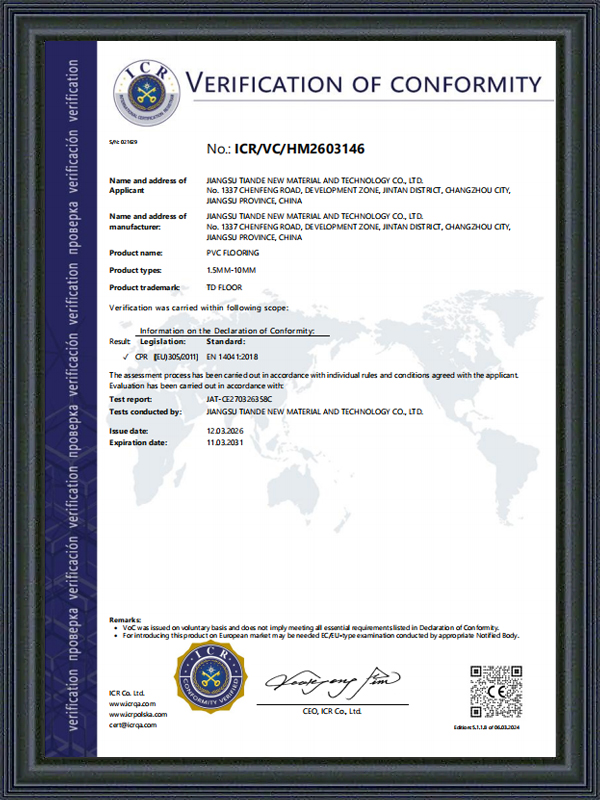
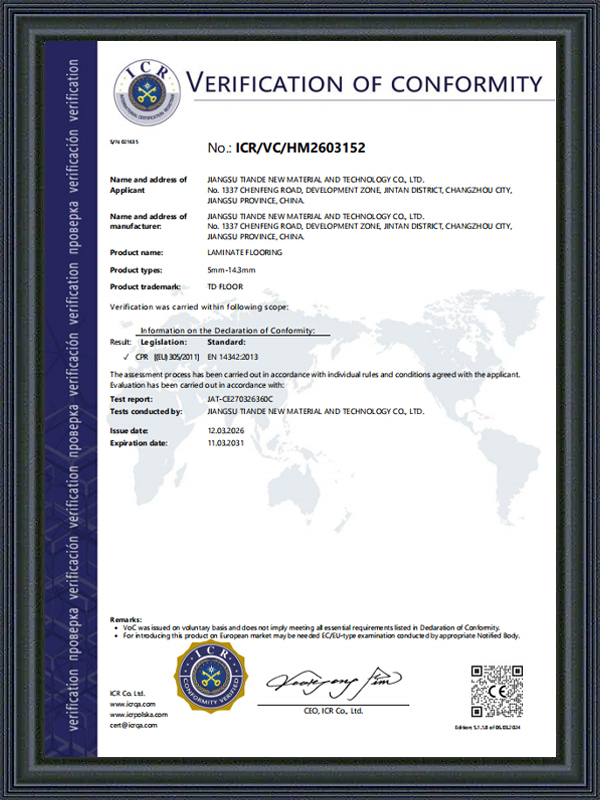
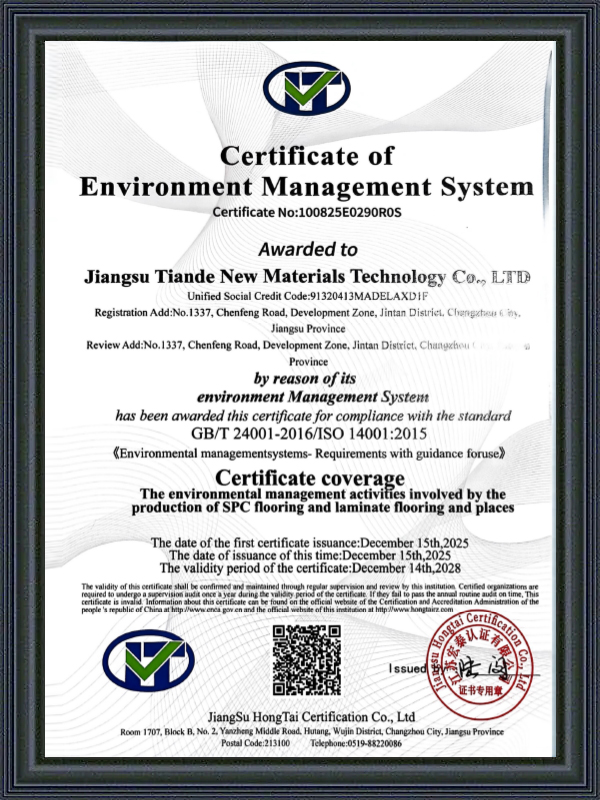
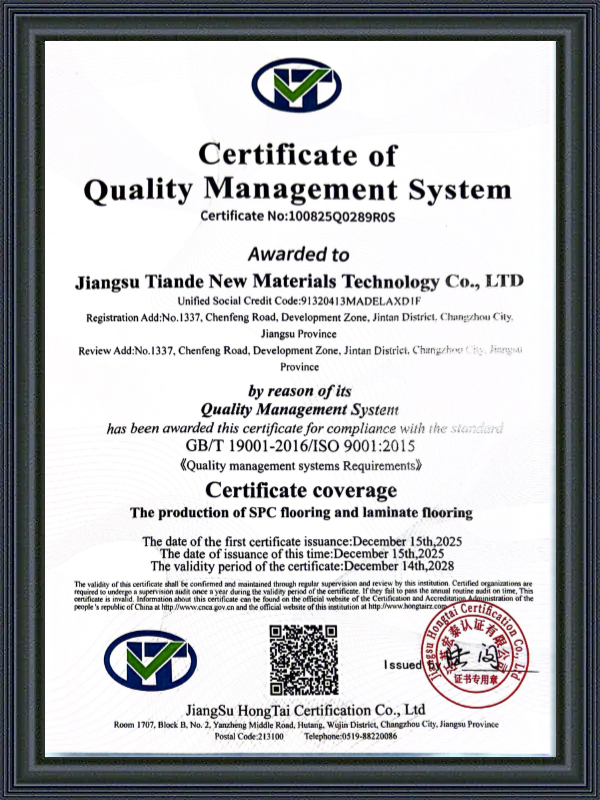
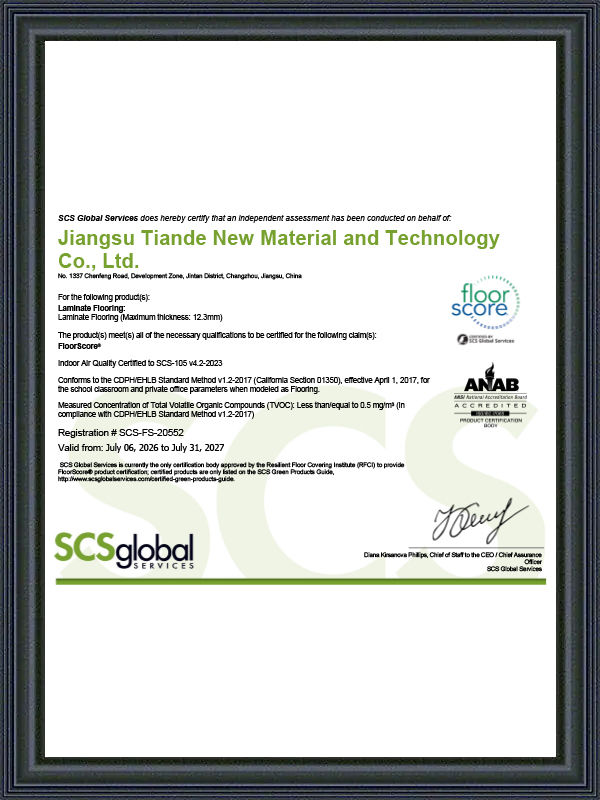
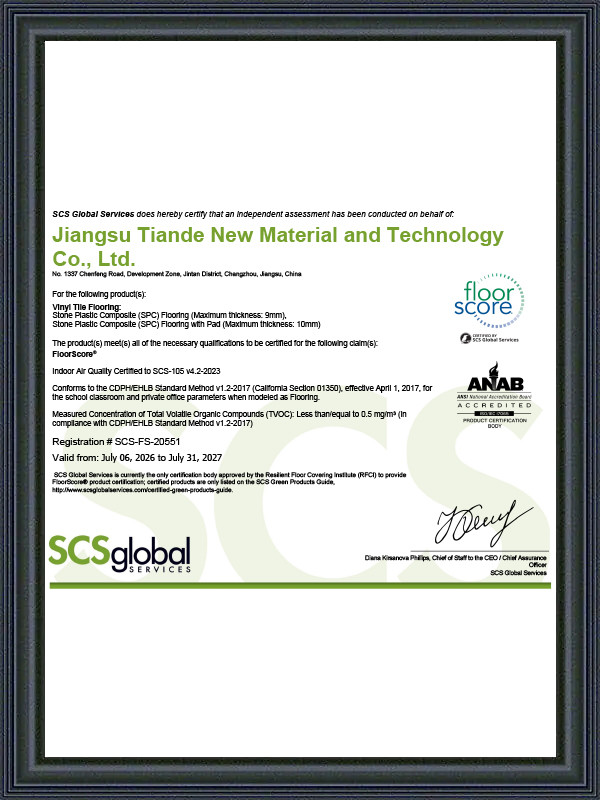
Certified Quality
The healthy choice in flooring
The healthy choice in flooring


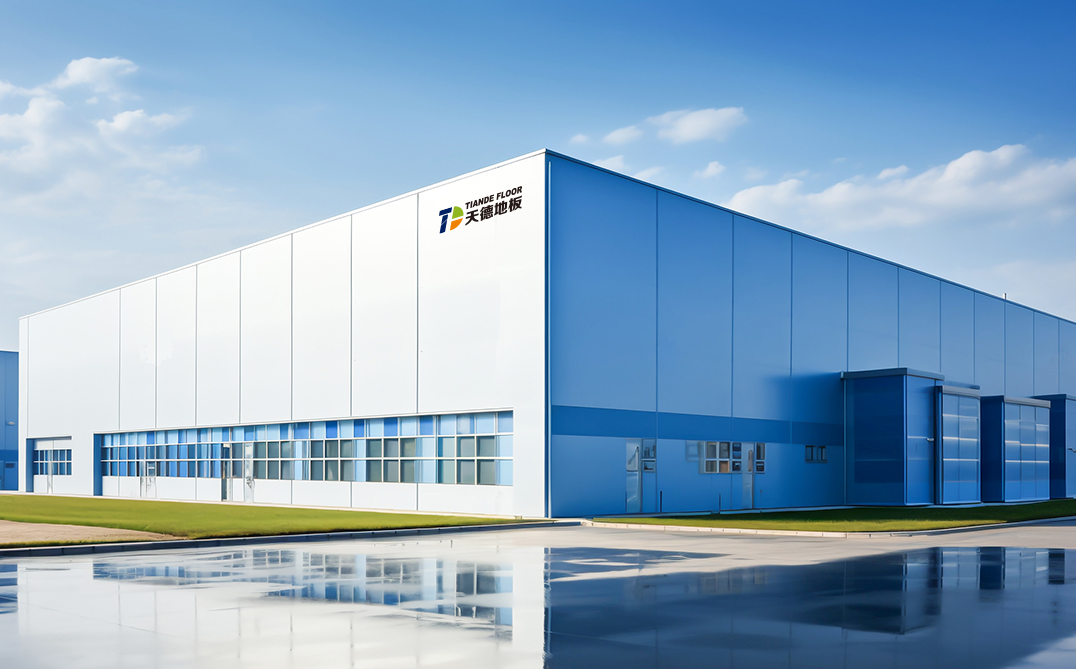
Committed to green and sustainable development, we use high-tech eco-friendly materials to replace natural wood and actively contribute to protecting forest resources and creating a healthier living environment.
Certificate Of Honor
News
-
-
Walk into any flooring showroom and you will hear "PVC," "vinyl," and "SPC" used almost interchangeably. For a buyer comparing quotes or reading a spec sheet, this ambiguity can be costly. A flooring product labeled "PVC wear layer" may not behave the same as one labeled "SPC rigid core," yet both sit on th...
Read More -
Why Kitchens Demand a Different Approach to Flooring A kitchen floor works harder than almost any other surface in a home. It absorbs dropped pans, splashed oil, standing water near the sink, and constant foot traffic between the stove, counter, and refrigerator. Traditional flooring materials often struggle...
Read More
Industry Knowledge
What Are Wall Panels Made Of? — Materials, Applications, and Modern Solutions
When renovating interior spaces, one of the first questions that arises is: what are wall panels made of? The answer is far from simple, because modern wall panel solutions encompass a wide spectrum of materials — from natural wood and engineered wood to polymers, mineral composites, and fiber-reinforced plasters. The choice of substrate determines not only the visual outcome but also the acoustic performance, moisture resistance, installation speed, and long-term durability. For homeowners, designers, and contractors alike, understanding the material composition is the first step toward selecting the right system for each specific environment.
In the current market, wall panel systems have evolved beyond mere decoration. They now serve as functional building components that address thermal insulation, sound control, impact resistance, and even air quality. Among the most versatile offerings are decorative wall paneling for bedroom, commercial wall panels, and acoustic wall panel for living room — each engineered with distinct core materials and manufacturing techniques. This article provides a comprehensive, material-first exploration of these three major categories, supported by technical insights and real-world application guidance.
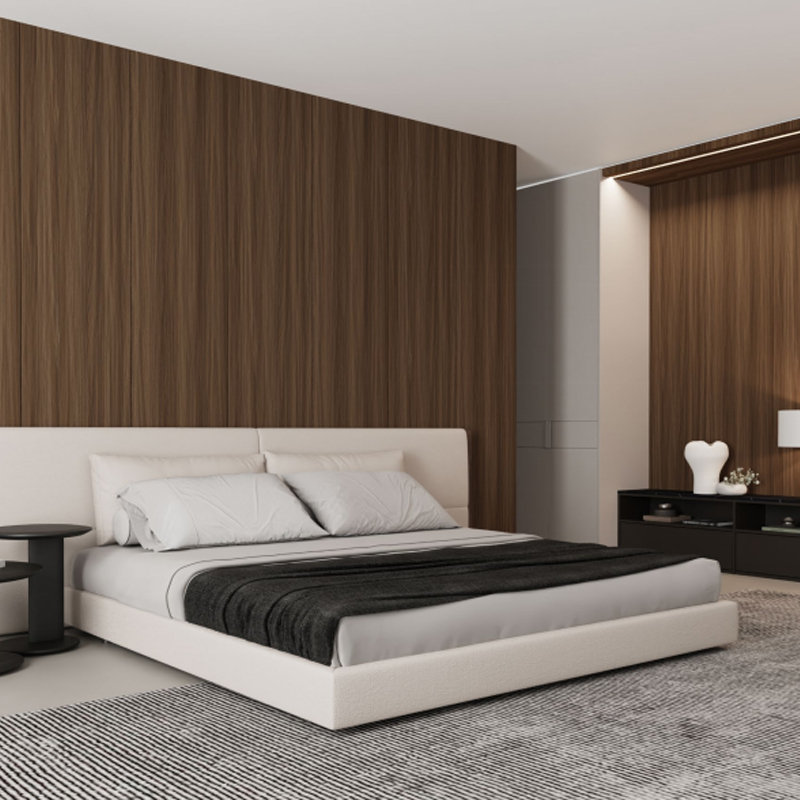
1. Decorative Wall Paneling for Bedroom – Engineered Wood & Polymer Composites
The bedroom environment demands materials that are warm to the touch, visually calming, and safe for prolonged human contact. Decorative wall paneling for bedroom typically utilizes medium-density fiberboard (MDF), high-density fiberboard (HDF), or multilayer polymer composites as the substrate. These core materials are chosen for their dimensional stability, smooth surface finish, and compatibility with decorative laminates, veneers, or printed films. Unlike solid wood, engineered substrates resist warping and cupping caused by temperature fluctuations — a critical advantage in spaces with heating and cooling cycles.
From a functional standpoint, these panels often incorporate a closed-cell back layer that reduces sound transmission between walls, making them an ideal choice for shared-wall bedrooms. The surface is finished with UV-cured coatings or melamine films that offer scratch resistance and easy cleaning. Importantly, wall panel products in this category are lightweight (typically 6–12 kg per panel) and feature tongue-and-groove or click-lock edges, enabling tool-free installation — a feature that directly addresses the quick renovation function and quick installation requirement favored by younger homeowners.
Jiangsu Tiande New Material and Technology Co., Ltd. leverages its 20+ years of flooring manufacturing experience to produce bedroom-oriented panels with exceptional edge-sealing technology, minimizing moisture ingress even in humid climates. The company's 46,000 m² facility uses automated lamination lines that ensure consistent adhesive spread and pressure, resulting in panels that remain flat and stable over decades. For bedrooms, decorative wall paneling for bedroom offers a unique balance of aesthetics and practicality — available in matte, satin, and textured finishes that mimic natural linen, oak, or walnut, all while maintaining a cost-effective price point.
Key Specifications – Bedroom Panels
- Core thickness: 8–12 mm (optimized for wall mounting without heavy anchors)
- Surface hardness: ≥ 2H (pencil test), resisting daily abrasion
- Formaldehyde emission: E0 or E1 level (≤ 0.05 ppm) — safe for enclosed sleeping areas
- Installation method: Click-lock or adhesive-backed, no specialized tools required
- Finishes available: Wood grain, solid color, fabric-textured, and metallic-effect films
2. Commercial Wall Panels – High-Pressure Laminate & Mineral Core
In high-traffic commercial environments — lobbies, corridors, retail stores, and office partitions — the material requirements shift dramatically toward impact resistance, fire retardancy, and ease of sanitization. Commercial wall panels are predominantly manufactured from high-pressure laminate (HPL) bonded to a moisture-resistant particleboard or, increasingly, a non-combustible mineral core such as magnesium oxide or gypsum-fiber board. These substrates provide exceptional rigidity and can withstand point loads (e.g., leaning furniture, cleaning carts) without denting or surface delamination.
The surface layer of commercial-grade wall panel systems is typically a continuous decorative paper impregnated with thermosetting resins, cured under high temperature and pressure. This creates a non-porous, antibacterial surface that resists stains, graffiti, and chemical cleaners. Moreover, many commercial panels now incorporate a micro-perforated acoustic backing, allowing them to double as sound-absorbing elements without sacrificing the clean, monolithic appearance required by corporate interiors. Commercial wall panels are also available in large-format sizes (up to 1,200 × 2,800 mm), reducing visible joints and simplifying maintenance schedules.
Jiangsu Tiande New Material and Technology Co., Ltd. produces commercial panels using the same precision pressing technology developed for its SPC and laminate flooring lines. The company's automated production lines ensure that each batch meets ASTM E84 Class A fire rating standards, with smoke development below 450. For architects specifying commercial wall panels, Tiande offers custom color-matching and digital printing services, enabling seamless integration with brand identity guidelines. The company's one-stop solution approach — from material selection to logistics — has made it a trusted partner for projects ranging from boutique hotels to airport terminals.
Commercial Panel Performance Highlights
- Impact resistance: Meets or exceeds ICBO 2440 for large missile impact
- Hygiene compliance: Surface supports EPA-registered antimicrobial additives
- Thermal stability: Operates between -10°C to 55°C without delamination
- Recyclability: Mineral core panels are 100% recyclable at end of life
- Installation speed: Mechanical fixing (screw or rivet) allows rapid replacement of damaged sections
3. Acoustic Wall Panel for Living Room – Polyester Fiber & Foam Composites
Living rooms are multipurpose spaces where sound quality directly affects comfort — from television dialogue clarity to background music ambience. Acoustic wall panel for living room systems are engineered with porous or fibrous substrates, typically made from high-density polyester fiber, recycled PET felt, or open-cell polyurethane foam. These materials convert sound energy into minute amounts of heat through friction within the fiber matrix, effectively reducing reverberation time (RT60) by 30–50% in medium-sized rooms.
What distinguishes acoustic panels from general decorative panels is their sound insulation and absorption coefficient (NRC rating). A high-performance acoustic wall panel for living room achieves an NRC of 0.75 or above, meaning it absorbs 75% of incident sound waves. The material is also lightweight (typically 3–5 kg/m²) and can be easily cut with standard utility knives, making it adaptable to irregular wall surfaces. Importantly, these panels contribute to moisture resistance — polyester fibers do not absorb water, and foam variants are treated with hydrophobic agents to prevent mold growth in humid environments.
Jiangsu Tiande New Material and Technology Co., Ltd. has extended its manufacturing expertise into the acoustic panel segment by leveraging its in-house lamination and embossing capabilities. The company produces acoustic panels with a Class B fire rating (EN 13501-1) and offers them in thicknesses ranging from 9 mm to 50 mm, allowing designers to tune absorption based on room volume. For living rooms, acoustic wall panel for living room solutions from Tiande also feature decorative fabric facings in over 40 colors, ensuring that modern aesthetics are never sacrificed for functionality. The company's integrated supply chain ensures that these panels are delivered with matching edge trims and mounting accessories, simplifying the installer's workflow.
Acoustic Panel Variants
- Flat perforated panels: Uniform absorption across mid-to-high frequencies (500–4000 Hz)
- Grooved / slotted panels: Enhanced bass absorption (100–500 Hz) with added visual rhythm
- 3D-shaped panels: Diffusive surface that reduces flutter echoes while adding sculptural interest
- PET felt panels: 100% recycled content, ideal for LEED-certified projects
Comparative Material Matrix — Bedroom, Commercial, and Acoustic Panels
| Property | Decorative Bedroom Panels | Commercial Wall Panels | Acoustic Living Room Panels |
| Primary Material | MDF / HDF / Polymer composite | HPL + mineral core (MgO / gypsum) | Polyester fiber / PET felt / PU foam |
| Density (kg/m³) | 600–750 | 850–1100 | 120–250 |
| Sound Absorption (NRC) | 0.20–0.35 (incidental) | 0.30–0.50 (with perforated back) | 0.70–0.90 |
| Fire Rating (ASTM E84) | Class C (unless treated) | Class A (standard) | Class B – Class A (depending on additive) |
| Moisture Resistance | Moderate (edge-sealed) | High (mineral core, non-porous) | High (hydrophobic fibers) |
| Installation Method | Click-lock / adhesive | Mechanical fixing (screws / clips) | Adhesive + pin nails |
| Typical Panel Size (mm) | 600 × 2,400 × 10 | 1,200 × 2,800 × 12–16 | 600 × 1,200 × 25–50 |
The table above clearly illustrates that while all three categories fall under the umbrella of wall panel systems, their material composition directly dictates their performance envelope. Bedroom panels prioritize aesthetics and fast installation; commercial panels emphasize durability and fire safety; acoustic panels focus on sound management and design flexibility. This differentiation allows specifiers to match the substrate precisely to the functional demands of each space.
Unified Manufacturing & Quality Platform
Behind these diverse panel types lies a common manufacturing philosophy centered on stability, precision, and environmental responsibility. Jiangsu Tiande New Material and Technology Co., Ltd. applies its 20 years of flooring production discipline to every wall panel it produces. The company's 46,000 m² facility houses continuous pressing lines, automated cutting stations, and in-house quality labs that test for linear expansion, surface abrasion, and bonding strength. This vertical integration ensures that decorative wall paneling for bedroom, commercial wall panels, and acoustic wall panel for living room all benefit from the same rigorous process controls — from raw material inspection to final packaging.
The company's one-stop solution model extends beyond production to include design assistance, custom color development, and just-in-time delivery. For distributors and contractors, this means fewer supply chain touchpoints and reduced lead times. Furthermore, Tiande's commitment to sustainability is evident in its use of water-based adhesives, low-VOC surface finishes, and recyclable packaging — all without compromising the modern aesthetics and moisture resistance that end users demand. By consolidating expertise across flooring and wall paneling, Jiangsu Tiande New Material and Technology Co., Ltd. offers a unique value proposition: high-performance panels that are as easy to install as they are beautiful.
Frequently Asked Questions
Q1: What is the main difference between decorative bedroom panels and acoustic living room panels?
The primary difference lies in the core function. Decorative wall paneling for bedroom is designed for visual warmth, surface durability, and quick installation, using engineered wood or polymer cores. Acoustic wall panel for living room focuses on sound absorption (NRC ≥ 0.70) and uses porous polyester or foam materials. While both can be aesthetically pleasing, acoustic panels are thicker and softer, whereas bedroom panels are denser and harder.
Q2: Can commercial wall panels be used in residential spaces like kitchens or garages?
Yes. Commercial wall panels with mineral cores and HPL surfaces are excellent for residential garages, mudrooms, and kitchens because they resist impacts, stains, and moisture. However, they are heavier and require mechanical fixing, so installation costs may be higher than standard residential panels. They also offer superior fire resistance, which is beneficial in attached garages.
Q3: How does Jiangsu Tiande New Material and Technology Co., Ltd. ensure consistent quality across different panel types?
Jiangsu Tiande New Material and Technology Co., Ltd. operates a fully integrated 46,000 m² facility with automated process controls. Each production batch undergoes dimensional stability tests, surface hardness checks, and acoustic impedance measurements (for sound panels). The company's 20-year track record in SPC flooring provides a robust quality culture, and all panels are traceable to raw material certificates, ensuring consistency across wall panel orders.
Q4: Are these wall panels compatible with underfloor heating or radiant wall systems?
Most wall panel products from Jiangsu Tiande — especially the polymer composite and HPL variants — are compatible with low-temperature radiant systems (max surface temperature 30°C). However, solid wood or MDF-based bedroom panels should be used with caution, as prolonged heat can accelerate adhesive aging. For radiant wall applications, we recommend the mineral-core commercial panels, which exhibit minimal thermal expansion (≤ 0.03% per 10°C).

Reliable Flooring Manufacturing
Professional SPC & Laminate Flooring Manufacturer
- Product Categories
- Address: 1337 Chenfeng Road, Economic Development Zone, Jintan District, Changzhou City, Jiangsu Province, China
- E-mail: info@tdfloor.com
-
Tel: +86-18351221480 (WhatsApp)
+86-519-82827168
Copyright ©
Jiangsu Tiande New Material And Technology Co.,Ltd. All Rights Reserved.
Custom Acoustic Wall Panel For Living Room Suppliers

