SPC Laminate Flooring Suppliers
Floors in commercial high-traffic areas face a relentless daily routine: thousands of foot passes, ...
Read More


SPC flooring, short for Stone Plastic Composite flooring, is the most durable category within the PVC flooring family. Its core is engineered by blending limestone powder, polyvinyl chloride, and stabilizers — creating a rigid, ultra-dense layer that resists dents, warping, and dimensional changes caused by temperature fluctuations.
Unlike traditional vinyl flooring, SPC flooring is 100% waterproof, making it ideal for kitchens, bathrooms, laundry rooms, and basements. The click-lock installation system allows for quick, glue-free floating installation over most existing subfloors, even imperfect ones. A thick wear layer on the surface protects against scratches and everyday wear, while an optional attached IXPE or EVA underlayment adds comfort and sound absorption underfoot.
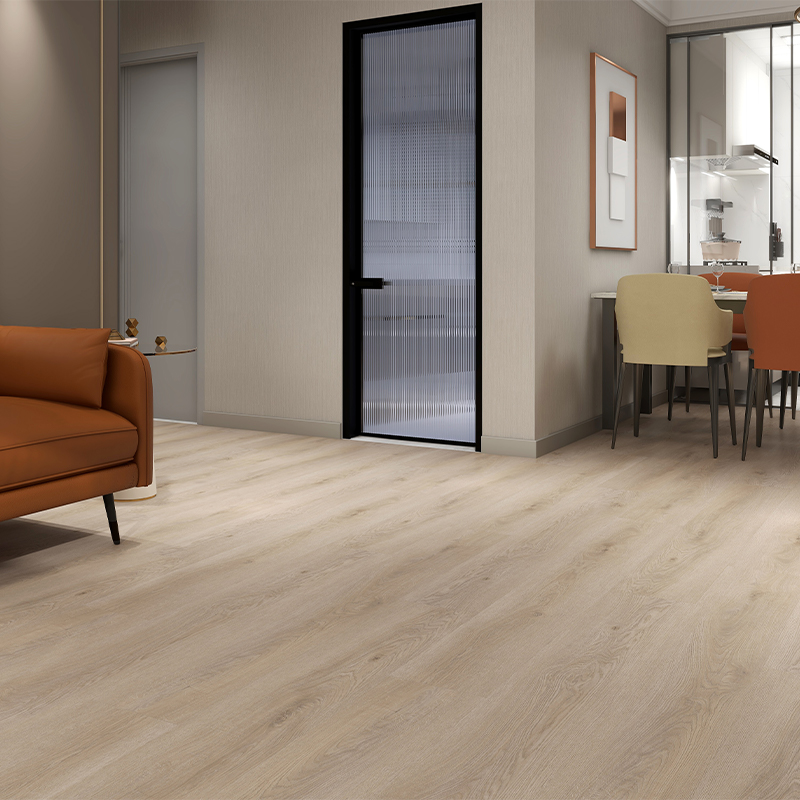
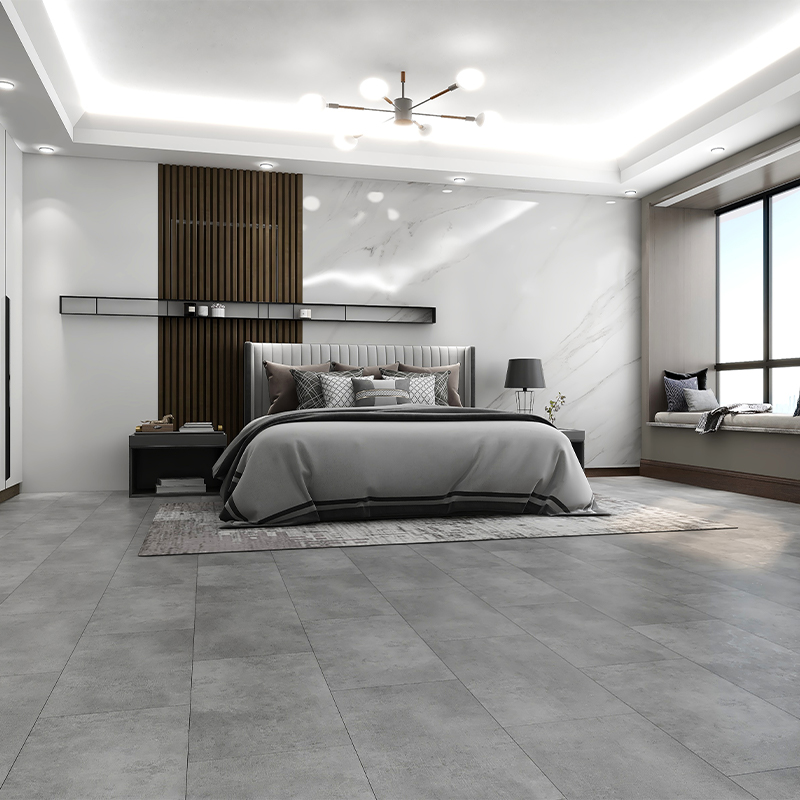
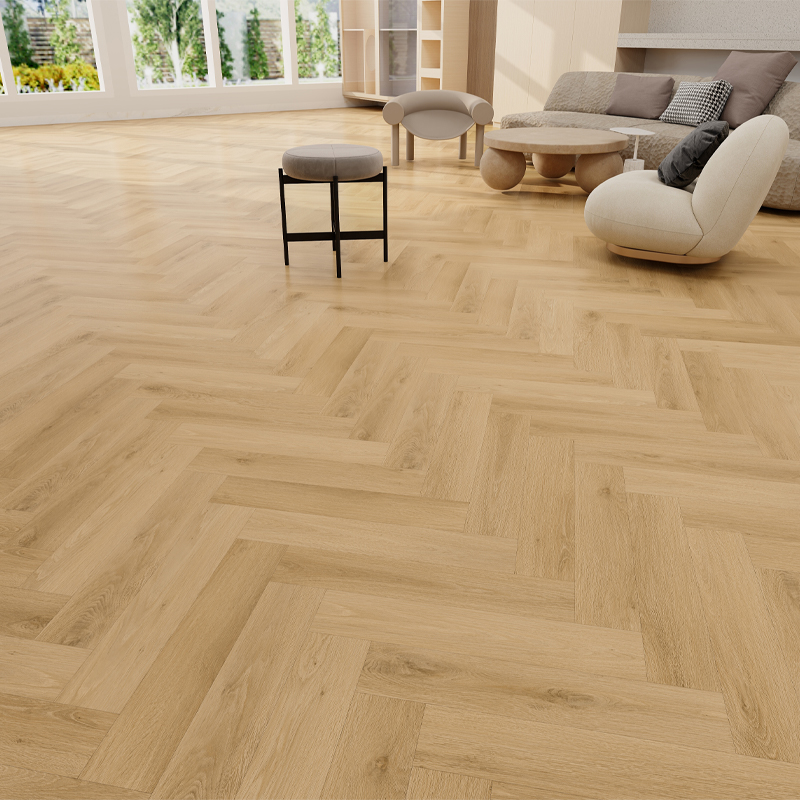
Available in wood-look planks, stone-look tiles, and trending herringbone layouts, SPC flooring combines real-world toughness with high-end aesthetics — making it a top choice for both homeowners and commercial contractors.


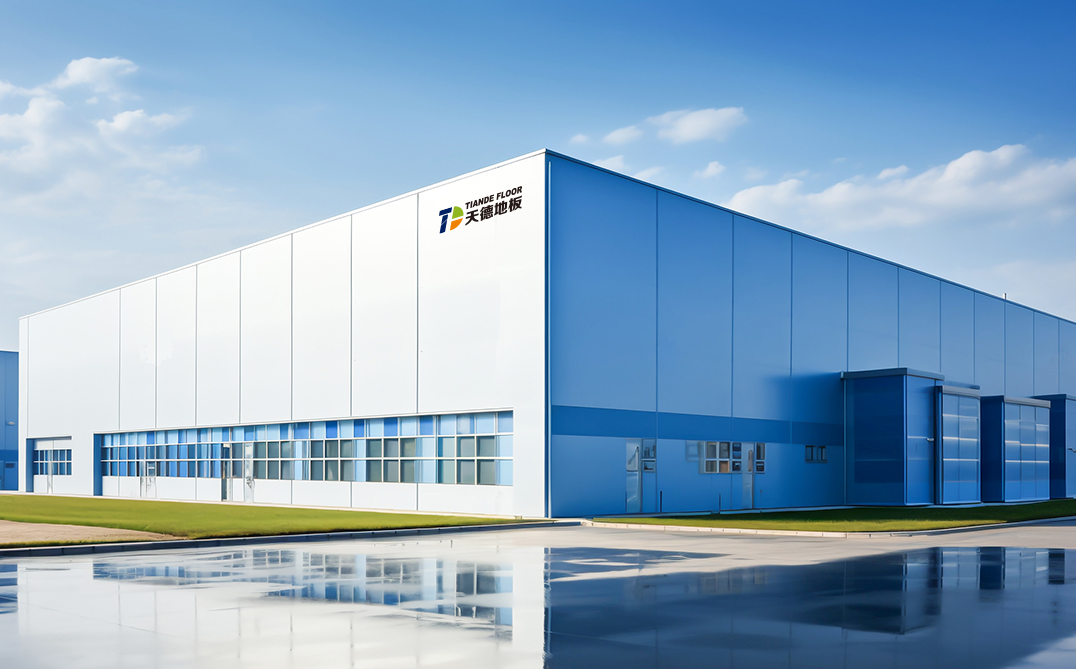
Committed to green and sustainable development, we use high-tech eco-friendly materials to replace natural wood and actively contribute to protecting forest resources and creating a healthier living environment.
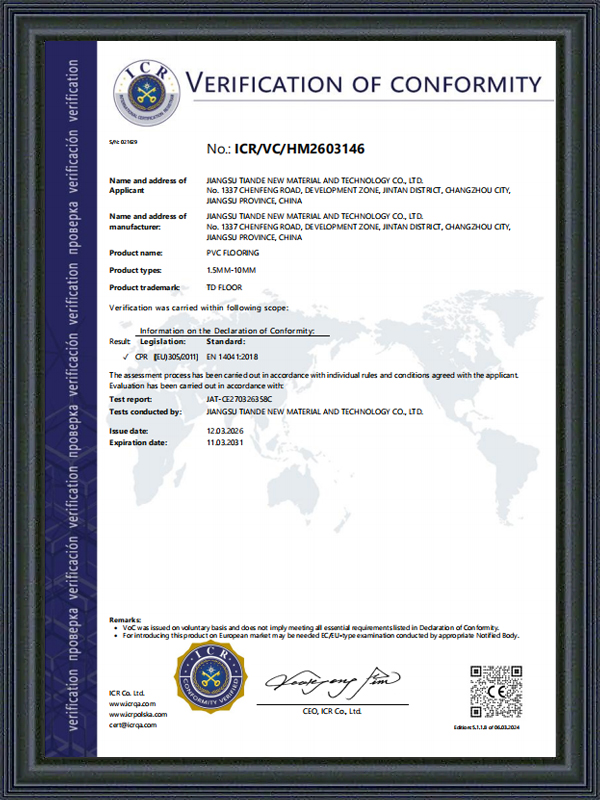
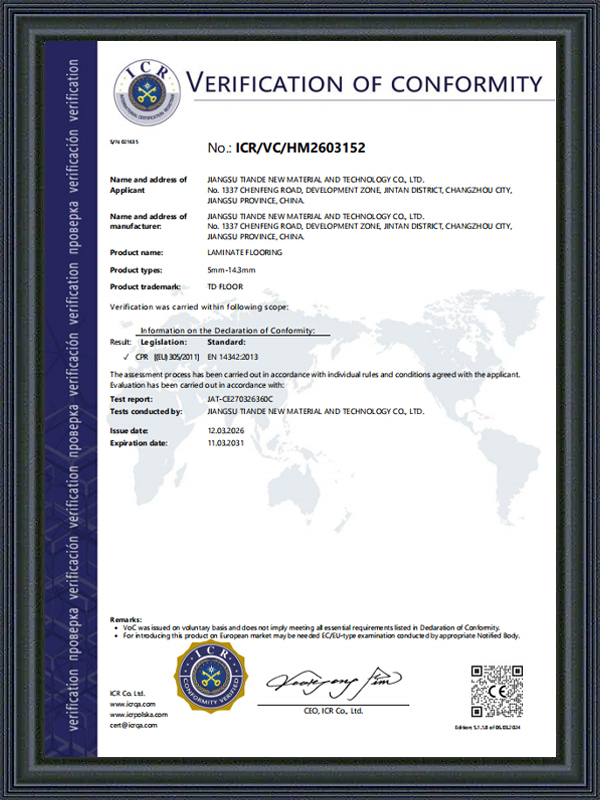
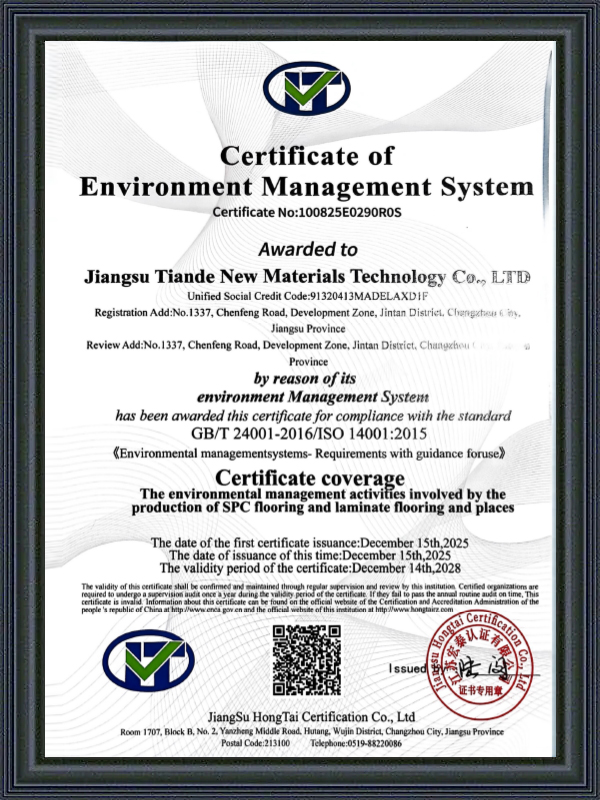
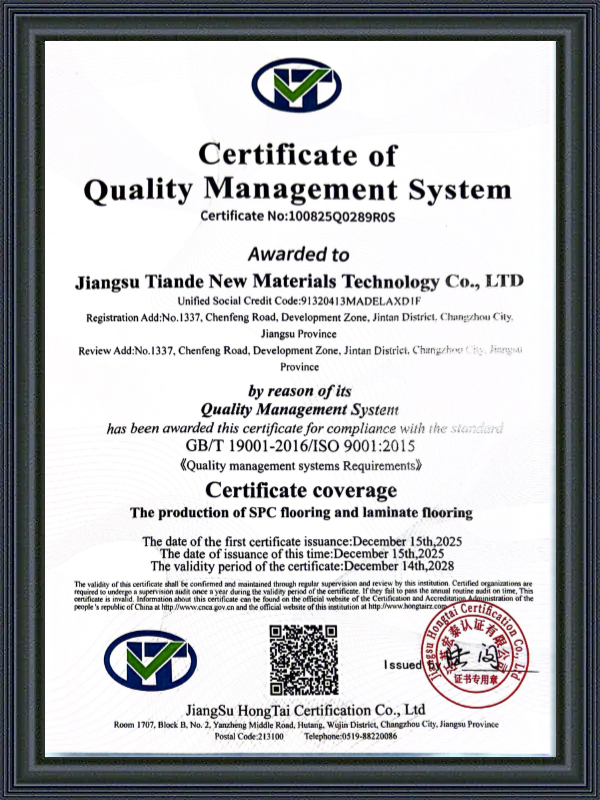
Floors in commercial high-traffic areas face a relentless daily routine: thousands of foot passes, ...
Read MoreWalk into any flooring showroom and you will hear "PVC," "vinyl," and "SPC" used almost interchang...
Read MoreWhy Kitchens Demand a Different Approach to Flooring A kitchen floor works harder than almost any o...
Read MoreIn the realm of modern interior finishes, flooring materials are constantly evaluated for their ability to withstand the rigors of daily life while maintaining aesthetic appeal. Among the most significant advancements in resilient flooring is the development of spc flooring. This product has redefined expectations for durability and stability, particularly in environments where temperature and moisture fluctuations are a concern. But what exactly grants spc flooring its remarkable dimensional stability? The answer lies in its unique composite core, a sophisticated engineering feat that sets it apart from traditional wood-based products and even other synthetic flooring options. Spc vinyl flooring and spc laminate flooring are often mentioned in the same breath, yet the structural integrity of the SPC core offers a distinct advantage that warrants a detailed technical examination.
At its core, spc flooring—short for Stone Plastic Composite—is the most durable category within the PVC flooring family. Its core is engineered by blending limestone powder, polyvinyl chloride, and stabilizers, creating a rigid, ultra-dense layer that resists dents, warping, and dimensional changes caused by temperature fluctuations. Unlike traditional vinyl flooring, spc waterproof flooring is 100% waterproof, making it ideal for kitchens, bathrooms, laundry rooms, and basements. The click-lock installation system allows for quick, glue-free floating installation over most existing subfloors, even imperfect ones. A thick wear layer on the surface protects against scratches and everyday wear, while an optional attached IXPE or EVA underlayment adds comfort and sound absorption. Available in wood-look planks, stone-look tiles, and trending herringbone layouts, spc flooring combines real-world toughness with high-end aesthetics, making it a top choice for both homeowners and commercial contractors.
To truly appreciate the dimensional stability of this product, we must dissect its composition, explore its various classifications, and understand how manufacturers like Jiangsu Tiande New Material and Technology Co., Ltd. have optimized production to ensure global reliability. This article delves into the science of stability, categorizing SPC products by their core construction and application, while highlighting the manufacturing prowess that brings this high-performance material to market.
The fundamental characteristic that defines spc vinyl flooring is its solid, stone-plastic composite core. This is not merely a layer of foam or a simple vinyl sheet; it is a high-density composite that typically comprises over 70% calcium carbonate (limestone) combined with PVC resin and plasticizers. The result is a material that possesses a coefficient of thermal expansion nearly identical to that of the subfloor materials it sits upon, effectively eliminating the "gapping" or "buckling" often seen in traditional spc laminate flooring alternatives. Jiangsu Tiande New Material and Technology Co., Ltd. emphasizes the precision of this formula, noting that their manufacturing facility ensures a homogenous mix that guarantees stability across varying climates. This is crucial for global markets where flooring may be installed in unheated storage areas or sun-drenched showrooms. The rigid core provides a solid foundation that resists indentation from heavy furniture and maintains its flat profile over decades of use, a promise backed by the 20 years of experience the company brings to its production lines.
Furthermore, the dimensional stability of the rigid core minimizes the risk of expansion and contraction. In traditional wood or laminate products, humidity causes the material to swell along the edges, leading to unsightly gaps or pressure points. However, because the core of this product is stone-based, it remains impervious to moisture vapor emitted from concrete subfloors. This characteristic positions spc waterproof flooring as a superior solution for below-grade installations where moisture intrusion is a persistent threat. The company's automated production equipment ensures that each plank is milled to exacting tolerances, with the locking mechanisms designed to accommodate the minimal movement allowed by the core, thus maintaining a seamless, flush appearance throughout the room. This rigorous attention to detail underscores why Jiangsu Tiande New Material and Technology Co., Ltd. has become a trusted name among commercial contractors seeking reliability.
While the core provides structural stability, the surface layers of spc flooring are engineered to protect that stability from external wear. The wear layer is typically composed of high-purity PVC or polyurethane, which is fused directly onto the decorative film. This layer is crucial not just for scratch resistance, but also for maintaining the dimensional integrity of the plank. A compromised wear layer can lead to micro-fissures that allow moisture to penetrate the core, potentially undermining the very stability the core provides. Top-tier manufacturers, such as Jiangsu Tiande New Material and Technology Co., Ltd., apply multi-layer coatings that enhance UV resistance and prevent yellowing, ensuring that the visual appeal matches the physical durability. This protection ensures that the planks do not swell at the edges or degrade under heavy foot traffic, a common failure point in lesser-quality spc laminate flooring options.
The thickness of this layer is a key differentiator among product lines, typically ranging from 12 mils to 30 mils for residential use and up to 40 mils for commercial applications. In the context of a 5mm or 6mm SPC plank, this rigid top surface bonds integrally with the core, creating a monolithic structure that distributes load evenly. This synergy between the core and the wear layer is what allows spc vinyl flooring to withstand rolling loads from office chairs or heavy appliance installations without compromising the locking system. The surface also features a subtle embossing that enhances the anti-slip properties, which is a significant safety advantage in wet areas. Jiangsu Tiande New Material and Technology Co., Ltd. provides extensive testing data to partners, demonstrating how their advanced coating technologies maintain surface integrity even under extreme temperature variations, a testament to the company's commitment to one-stop flooring solutions that eliminate post-installation callbacks.
Another dimension of stability in spc waterproof flooring involves the integration of underlayment systems, specifically IXPE (Irradiated Cross-Linked Polyethylene) or EVA (Ethylene-Vinyl Acetate) foam. While not a component of the core itself, the attached underlayment plays a vital role in stabilizing the installation over uneven subfloors. By providing a cushion that absorbs minor subfloor imperfections (up to 3mm), the underlayment prevents the planks from "rocking," which can put stress on the locking profiles and lead to eventual separation. This is where the engineering of Jiangsu Tiande New Material and Technology Co., Ltd. proves exceptional; their manufacturing process includes high-precision lamination that bonds the underlayment securely without distorting the plank's flatness. This ensures that the spc flooring remains level and stable under dynamic loads, such as the repeated footfall in a retail environment or the heavy equipment in a gymnasium.
Moreover, the acoustic benefits of this integrated underlayment contribute to the overall structural integrity of the flooring system. The foam absorbs impact noise, reducing the stress vibrations that can travel through the locking joints. In multi-story buildings, this acoustic damping is essential to prevent the micro-movements that could widen gaps over time. For commercial contractors working on large-scale projects, this means that installations over concrete slabs or radiant heating systems are safe and reliable. Jiangsu Tiande New Material and Technology Co., Ltd. has leveraged its modern facility to perfect this lamination process, ensuring that the underlayment remains consistent in thickness and density across every batch. This consistency allows for a floating floor that effectively "breathes" with the building while maintaining its tight, monolithic appearance, solidifying the company’s reputation as a leader in providing spc laminate flooring solutions that meet the highest standards of acoustic and thermal comfort.
| Feature/Component | Rigid Core (SPC) | Wear Layer | Underlayment (IXPE/EVA) |
| Primary Function | Dimensional stability & impact resistance | Scratch resistance & UV protection | Sound absorption & leveling |
| Material Composition | Limestone powder & PVC (Stone-Plastic) | High-purity polyurethane or PVC | Cross-linked polyethylene foam |
| Thermal Stability | High (resists expansion/contraction) | Medium (protects core from thermal wear) | Low (provides thermal insulation) |
| Thickness Range | 3.2mm - 6.0mm (core thickness) | 12 mils - 40 mils | 1.0mm - 2.0mm |
| Typical Application | All areas, especially basements | High-traffic commercial zones | Multi-story buildings, residential |
This table clearly delineates how each component contributes to the overall performance of spc flooring. While the rigid core is the primary driver of dimensional stability, the wear layer ensures that stability is not compromised by environmental stressors, and the underlayment provides the cushion needed to protect the locking system from mechanical stress. Jiangsu Tiande New Material and Technology Co., Ltd. offers a comprehensive range that allows clients to choose the right balance of these features, ensuring that the final installation performs optimally in its intended environment.
Understanding the specific classifications of spc vinyl flooring helps contractors and homeowners select the right product for their specific needs. The market generally segments these products into three main categories, each with unique characteristics designed to address distinct performance requirements.
Jiangsu Tiande New Material and Technology Co., Ltd. has streamlined this selection process for its global partners by offering a one-stop flooring solution. Their 46,000-square-meter facility is equipped to produce all these classifications, ensuring that whether a project requires the resilience of commercial-grade spc laminate flooring or the comfort of residential spc vinyl flooring, the company can deliver with consistent quality. The company's 20 years of experience ensures that each product category is manufactured with a deep understanding of the technical nuances required for long-lasting stability.
SPC flooring has a denser core composed primarily of limestone, making it significantly more rigid and dimensionally stable than WPC (Wood Plastic Composite), which has a cellular structure. This density makes SPC less susceptible to expansion and contraction caused by temperature changes, though WPC offers better sound absorption due to its softer composition.
Yes, spc waterproof flooring is generally compatible with radiant heating systems. The dense core withstands the temperature fluctuations (up to 80°F/27°C) without degrading, provided the heating system is properly installed and a suitable underlayment is used to ensure even heat distribution.
Jiangsu Tiande New Material and Technology Co., Ltd. utilizes automated, high-precision production lines to maintain strict control over the mixing ratio of limestone and PVC. Their quality assurance protocols include thermal cycling tests that simulate extreme conditions to verify that the product maintains its dimensions without warping, ensuring reliable performance in global markets.
While SPC flooring is rigid and can bridge minor imperfections, it is recommended to prepare the subfloor to a smoothness of 3mm over a 2-meter radius. The integrated underlayment in many spc vinyl flooring products helps absorb these minor deviations, but severe unevenness should be leveled to prevent the planks from rocking and damaging the locking system.


