Thick Water Resistant Laminate Flooring Suppliers
Floors in commercial high-traffic areas face a relentless daily routine: thousands of foot passes, ...
Read More


information to be updated
Water-resistant laminate flooring is enhanced with water-resistant technology; the swelling rate is controlled under 10% within 72 hours. This technology boosts the product's suitability for entering household kitchens and dining rooms. Besides the water-resistant feature, the rest is the same as traditional laminate flooring.


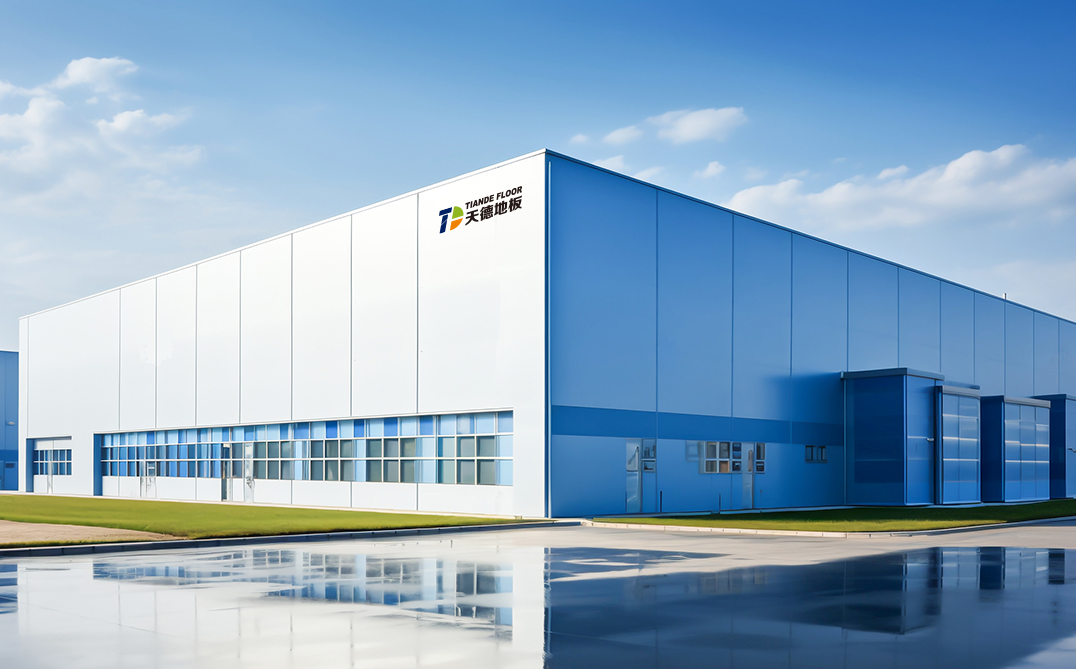
Committed to green and sustainable development, we use high-tech eco-friendly materials to replace natural wood and actively contribute to protecting forest resources and creating a healthier living environment.
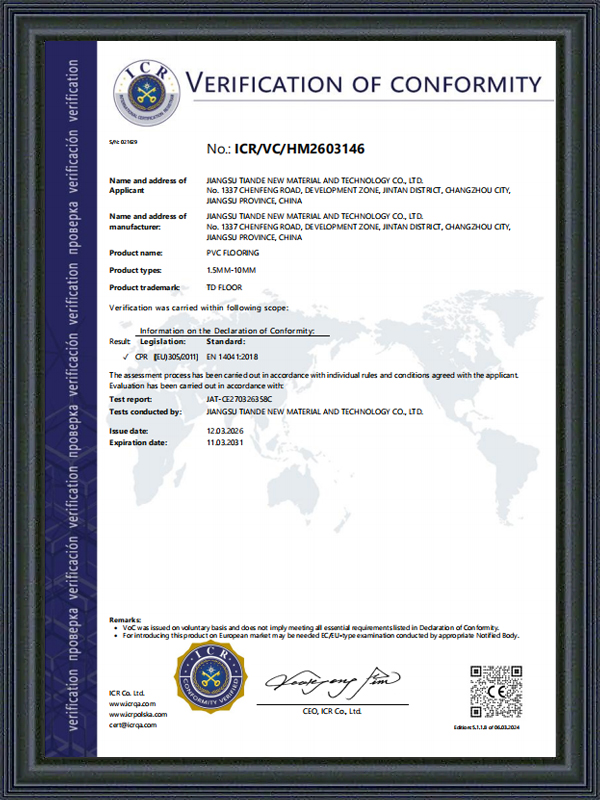
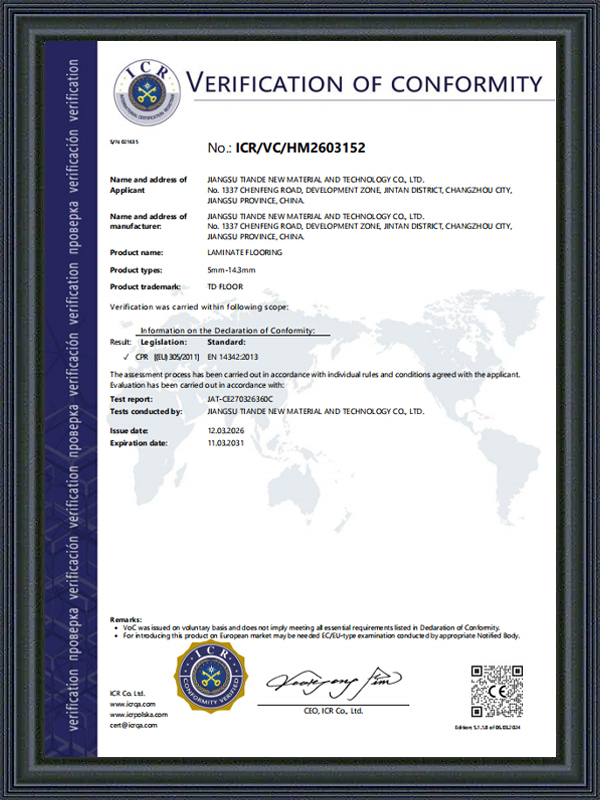
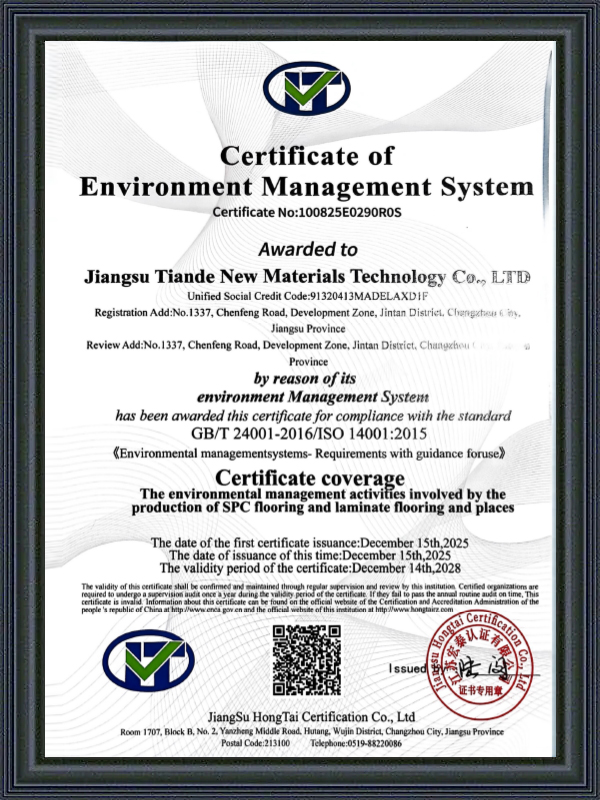
Floors in commercial high-traffic areas face a relentless daily routine: thousands of foot passes, ...
Read MoreWalk into any flooring showroom and you will hear "PVC," "vinyl," and "SPC" used almost interchang...
Read MoreWhy Kitchens Demand a Different Approach to Flooring A kitchen floor works harder than almost any o...
Read MoreSelecting the right flooring for each room in a home or commercial space requires a careful balance of aesthetics, durability, and moisture tolerance. Among the many options available, water resistant laminate flooring has emerged as a versatile solution that bridges the gap between traditional laminate and fully waterproof alternatives. Unlike standard laminate, which can swell or delaminate when exposed to prolonged moisture, water resistant laminate flooring incorporates a specially engineered core and top coating that significantly reduces liquid penetration. According to product performance data, this technology limits the swelling rate to under 10% within 72 hours of continuous water exposure—a critical threshold that makes it viable for areas where occasional spills or humidity are expected. This article systematically evaluates which rooms benefit most from water resistant laminate flooring, based on technical characteristics, installation environment, and real-world usage patterns. We will examine three primary subcategories: kitchen-grade options, thick-core residential variants, and general-purpose residential series, each offering distinct advantages for specific interior zones.
The kitchen is often considered the most demanding room for any flooring material, given the frequent exposure to water splashes, food spills, and heavy foot traffic. Water resistant laminate flooring for kitchen applications is specifically designed to withstand these challenges without compromising visual appeal or structural integrity. This subcategory features an enhanced high-density fiberboard (HDF) core with additional hydrophobic resins, which reduce edge wicking and surface absorption. The wear layer is typically thicker—often exceeding 0.3 mm—and the joint systems incorporate wax-impregnated or silicone-sealed edges that prevent moisture from seeping into the substrate. In practical terms, water resistant laminate flooring for kitchen can handle accidental spill cleanup for up to 30 minutes without visible damage, provided the liquid is wiped promptly. This performance is made possible by the water-resistant technology developed by manufacturers like Jiangsu Tiande New Material and Technology Co., Ltd., whose production facility spans 46,000 square meters and employs automated pressing lines that ensure consistent resin distribution across each plank.
When comparing kitchen-grade options to standard laminate, the primary differentiator lies in the swelling coefficient. While traditional laminate may swell 15–20% within 24 hours, water resistant laminate flooring for kitchen maintains a swelling rate below 8% under the same conditions, as verified by internal testing. This makes it suitable for open-plan kitchens, adjacent dining areas, and even small pantry spaces where steam from dishwashers or ovens can create transient humidity. However, it is crucial to note that this grade is not intended for standing water; it excels in scenarios where moisture is episodic rather than persistent. For homeowners seeking a balance between cost and performance, this category offers a compelling middle ground between luxury vinyl tile (LVT) and premium waterproof laminates. The company’s expertise, backed by over 20 years in flooring production, ensures that each batch of water resistant laminate flooring for kitchen undergoes rigorous quality checks, including 72-hour water immersion tests, to guarantee reliability in real-world kitchen environments.
In terms of application, this subcategory is ideally deployed in kitchens with moderate to heavy usage, including both residential and light commercial settings. The surface finish often includes an anti-microbial additive, which reduces bacterial growth in areas where food preparation occurs. From a procurement perspective, Jiangsu Tiande New Material and Technology Co., Ltd. offers a one-stop solution that includes coordinated accessories such as underlayment and transition strips, simplifying the specification process for contractors and property developers. The company’s commitment to environmentally responsible manufacturing also aligns with green building standards, as the materials used are low-VOC and recyclable, adding another layer of value for eco-conscious projects.
For rooms that experience not only occasional moisture but also heavy furniture loads or high foot traffic—such as living rooms, hallways, and home offices—a thicker construction provides added stability and sound insulation. Thick water resistant laminate flooring typically features a total thickness of 10 mm to 12 mm, compared to the standard 8 mm, with a denser HDF core that offers superior dimensional stability. The increased thickness directly contributes to better impact resistance and a more substantial underfoot feel, which is particularly valued in residential settings. More importantly, the thicker substrate allows for deeper embossing and synchronized pore structures, enhancing the visual authenticity of wood or stone designs. When moisture is introduced, thick water resistant laminate flooring demonstrates a slower absorption rate due to the compacted fiber matrix, effectively maintaining its shape even under varying humidity levels. This characteristic makes it an excellent candidate for large open areas that transition between kitchens and dining spaces, where temperature and moisture gradients can fluctuate.
A key technical advantage of this subcategory is its acoustic performance. The added mass reduces footfall noise, making it suitable for multi-story residential buildings where sound transmission between floors is a concern. Additionally, the thicker planks offer greater tolerance for subfloor imperfections, reducing the need for extensive leveling compounds during installation. For projects seeking a premium residential experience, thick water resistant laminate flooring often comes with an AC5 rating, indicating high abrasion resistance suitable for heavy commercial traffic as well. Jiangsu Tiande New Material and Technology Co., Ltd. produces this variant using high-pressure laminating presses that ensure uniform density across the entire plank, eliminating weak spots that could compromise water resistance. The company’s automated production lines, spread across a 46,000-square-meter facility, enable precise control over resin impregnation, directly impacting the product’s long-term durability. This level of manufacturing precision is rarely found in smaller operations and underscores the value of partnering with established suppliers for large-scale residential developments.
| Feature | Thick (10-12 mm) | Standard (8 mm) |
| Core Density (kg/m³) | ≥ 900 | ≥ 800 |
| Swelling Rate (72h) | ≤ 6% | ≤ 10% |
| Impact Resistance (IC) | IC4 | IC3 |
| Acoustic Insulation (dB) | -18 dB | -12 dB |
| Recommended Usage | Living rooms, offices, corridors | Bedrooms, low-traffic areas |
The thicker construction also accommodates deeper click-lock profiles, resulting in stronger mechanical joints that resist separation under thermal movement. This is particularly beneficial in regions with seasonal climate variations, where expansion and contraction can stress weaker locking systems. For designers and architects, thick water resistant laminate flooring offers the flexibility to create seamless transitions between different functional zones without requiring additional expansion breakers, provided installation guidelines are followed. The product’s ability to support heavy equipment—such as pianos, bookcases, or commercial display units—further expands its applicability beyond traditional residential spaces into boutique retail environments.
Designed for the majority of household rooms—including bedrooms, walk-in closets, and dining rooms—residential water resistant laminate flooring provides a cost-effective entry point into moisture-protected surfacing without over-engineering for extreme conditions. This category typically employs an 8 mm to 9 mm HDF core with standard hydrophobic additives, achieving a swelling rate under 10% after 72 hours, as per the baseline product specification. While it lacks the enhanced edge sealing of kitchen-grade variants, it still offers sufficient protection against incidental spills, pet accidents, and routine mopping—making it a practical choice for everyday living spaces. The surface is protected by a melamine wear layer with an AC3 or AC4 rating, balancing durability with affordability. For many homeowners, residential water resistant laminate flooring represents the optimal trade-off between initial investment and long-term performance, especially when compared to solid hardwood or engineered wood alternatives that require more meticulous maintenance.
What sets this subcategory apart is its versatility across different room types. In bedrooms, the slightly softer acoustic profile provides a quieter atmosphere, while in dining areas, the stain-resistant surface simplifies cleanup of food and beverage spills. The visual design library for residential water resistant laminate flooring is typically the most extensive, offering dozens of decors ranging from rustic oak to contemporary gray tones, accommodating diverse interior styles. Jiangsu Tiande New Material and Technology Co., Ltd. produces this line with a focus on consistency, utilizing high-speed milling equipment to ensure precise plank dimensions—a critical factor for seamless installation in large residential projects. The company’s global supply chain capabilities, supported by an experienced export team, ensure that residential water resistant laminate flooring can be delivered to project sites with minimal lead time, a significant advantage for contractors managing tight construction schedules.
A notable application for this grade is in rental properties and condominiums, where maintaining a uniform flooring appearance across units is desirable but budgets are constrained. The product’s resistance to fading and staining also makes it suitable for sunlit rooms with large windows, as the surface layer incorporates UV-stabilized pigments. While it is not recommended for full bathrooms or laundry rooms with drainage risks, residential water resistant laminate flooring performs admirably in powder rooms and mudrooms where moisture is promptly managed. By combining the company’s manufacturing experience with rigorous quality control, Tiande ensures that each batch meets international standards such as EN 13329 and ASTM F1066, providing customers with documented performance metrics that facilitate project approvals and inspections.
To assist decision-making, the following table contrasts the three subcategories across key parameters relevant to room suitability. This comparison highlights why water resistant laminate flooring is not a one-size-fits-all product but rather a family of targeted solutions. The choice ultimately depends on the specific environmental demands of each room, as well as the expected lifespan and maintenance regimen.
| Parameter | Kitchen-Grade | Thick Core | Residential (All-Purpose) |
| Thickness | 8–9 mm | 10–12 mm | 8 mm |
| Edge Sealing | Wax/Silicone | Standard wax | Basic wax |
| Swelling (72h) | ≤ 8% | ≤ 6% | ≤ 10% |
| Wear Rating | AC4–AC5 | AC4–AC5 | AC3–AC4 |
| Best Rooms | Kitchens, pantries | Living rooms, offices | Bedrooms, dining rooms |
For professional specifiers, understanding these distinctions is essential to avoid under-specification in wet areas or over-specification in low-risk zones. Jiangsu Tiande New Material and Technology Co., Ltd. offers technical consultation to help clients match the correct product grade with their project requirements, leveraging decades of production data and field feedback. This consultative approach, combined with the company's one-stop solutions—from underlayment to finishing accessories—streamlines the entire flooring procurement process, reducing both cost and complexity for builders and designers alike.
Kitchen-grade water resistant laminate flooring incorporates enhanced edge sealing (wax or silicone) and a thicker wear layer (≥0.3 mm) to withstand frequent spills and cleaning. Residential all-purpose versions have basic edge protection and slightly lower AC ratings, making them suitable for bedrooms and dining rooms but not for high-moisture zones like kitchen sink areas.
Yes, provided the subfloor is dry and a vapor barrier is used. Thick water resistant laminate flooring offers better dimensional stability against below-grade humidity, but it is not waterproof. For basements with occasional moisture, this grade is preferred over standard thickness due to its lower swelling rate (≤6% over 72 hours).
The company operates automated production lines within a 46,000 m² facility and conducts in-process checks every 500 m². Each batch of water resistant laminate flooring is tested for swelling, surface abrasion, and locking strength, with records maintained for traceability. This systematic approach guarantees that both thick and residential variants meet published specifications.
Yes, residential water resistant laminate flooring is suitable for pet zones, as its surface resists urine stains and scratches from claws. However, cleanup should occur within 15–20 minutes to prevent edge wicking. Choosing an AC4-rated option within this subcategory provides added protection for active households.


