Acoustic EVA Foam Underlayment Suppliers
Floors in commercial high-traffic areas face a relentless daily routine: thousands of foot passes, ...
Read More


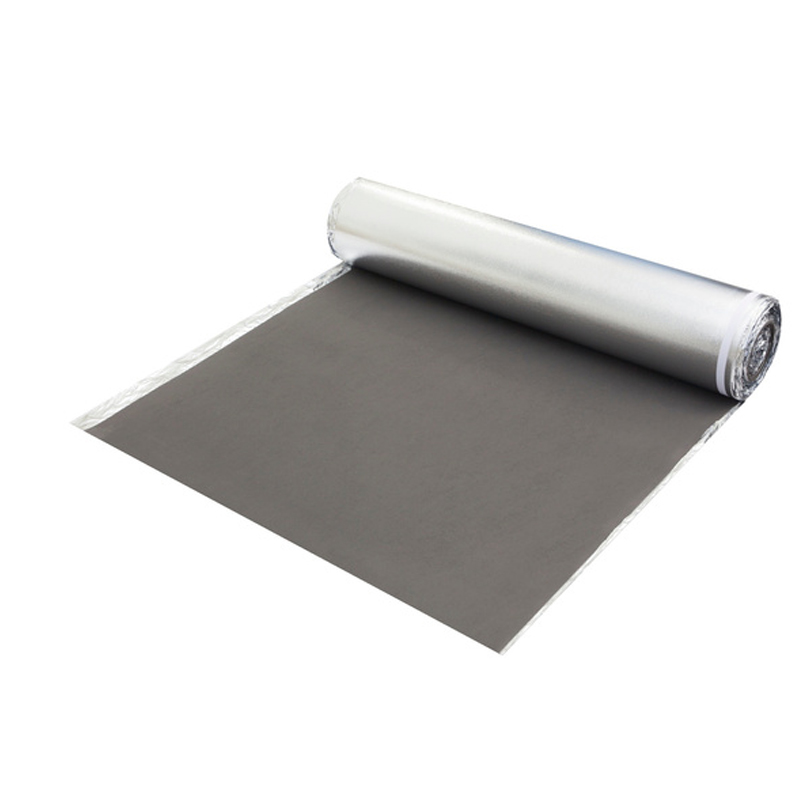
EVA foam has a higher density; it can provide a better foot feeling for the user.


Committed to green and sustainable development, we use high-tech eco-friendly materials to replace natural wood and actively contribute to protecting forest resources and creating a healthier living environment.
Floors in commercial high-traffic areas face a relentless daily routine: thousands of foot passes, ...
Read MoreWalk into any flooring showroom and you will hear "PVC," "vinyl," and "SPC" used almost interchang...
Read MoreWhy Kitchens Demand a Different Approach to Flooring A kitchen floor works harder than almost any o...
Read MoreIn the field of acoustic treatment and noise control, material selection directly determines performance, durability, and installation feasibility. Among the various polymers available, acoustic EVA foam has gained substantial recognition for its balanced mechanical properties, closed-cell structure, and environmental stability. Unlike traditional open-cell polyurethane foams that degrade over time or absorb moisture, acoustic EVA foam offers a resilient, lightweight, and chemically inert solution for both impact noise reduction and airborne sound damping. This article examines why EVA foam stands out as a preferred substrate for acoustic panels and soundproofing systems, supported by material science principles, application case studies, and manufacturing capabilities from an experienced industry supplier.
Ethylene-vinyl acetate (EVA) copolymer, when foamed, produces a closed-cell elastomeric material with a density typically ranging from 60 to 200 kg/m³. This semi-rigid structure provides acoustic EVA foam with two primary sound-control mechanisms: energy dissipation through viscoelastic deformation and impedance mismatch at layer interfaces. When sound waves strike the foam surface, the cellular walls vibrate and convert mechanical energy into minute heat, reducing reflection and transmitted intensity. Furthermore, the closed-cell configuration prevents air permeability, making acoustic EVA foam particularly effective against low-frequency flanking paths in floor-ceiling assemblies. Its intrinsic damping factor (tan δ) is notably higher than that of polyethylene or rubber, which translates into superior vibration attenuation under dynamic loading—a critical advantage for floating floors and equipment isolation.
To understand why acoustic EVA foam is increasingly specified for soundproofing projects, it is essential to contrast it with conventional alternatives such as cork, recycled rubber crumb, and standard polyethylene foams. The table below summarizes key performance indicators based on third-party laboratory tests and field installation feedback.
| Property | Acoustic EVA Foam | Recycled Rubber | PE Foam (Cross-linked) |
| Density (kg/m³) | 80 – 180 | 450 – 700 | 30 – 60 |
| Dynamic Stiffness (MN/m³) | 8 – 15 | ||
| Impact Sound Reduction (ΔLw) | 18 – 22 dB | ||
| Water Absorption (%) | < 1.0 | ||
| Compression Set (at 50°C, 22h) | < 15 % |
As shown, acoustic EVA foam occupies an optimal sweet spot: moderately high density for effective mass-spring resonance control, yet sufficiently low stiffness to decouple structural layers. Its closed-cell nature ensures minimal moisture ingress, preventing mold growth and dimensional swelling—issues commonly observed with natural fibers or recycled rubber that contains hydrophilic contaminants. Additionally, the compression set resistance of EVA is superior to that of standard rubber, ensuring long-term thickness retention under static floor loads, which is vital for maintaining acoustic performance over decades.
One of the most demanding applications for soundproofing materials is under hardwood flooring, where both impact noise (footsteps, dropped items) and structural vibrations must be attenuated without compromising the rigidity required for click-lock or glued installations. Acoustic EVA foam for hardwood flooring is engineered with a specific thickness range (2 – 6 mm) and a surface friction coefficient that prevents lateral movement of planks while allowing micro-movements for expansion. Unlike thick, soft foams that cause excessive deflection under heavy furniture, this grade combines high compressive strength (≥ 120 kPa at 25% compression) with low dynamic stiffness, achieving a ΔLw improvement of up to 22 dB in standard concrete slab tests.
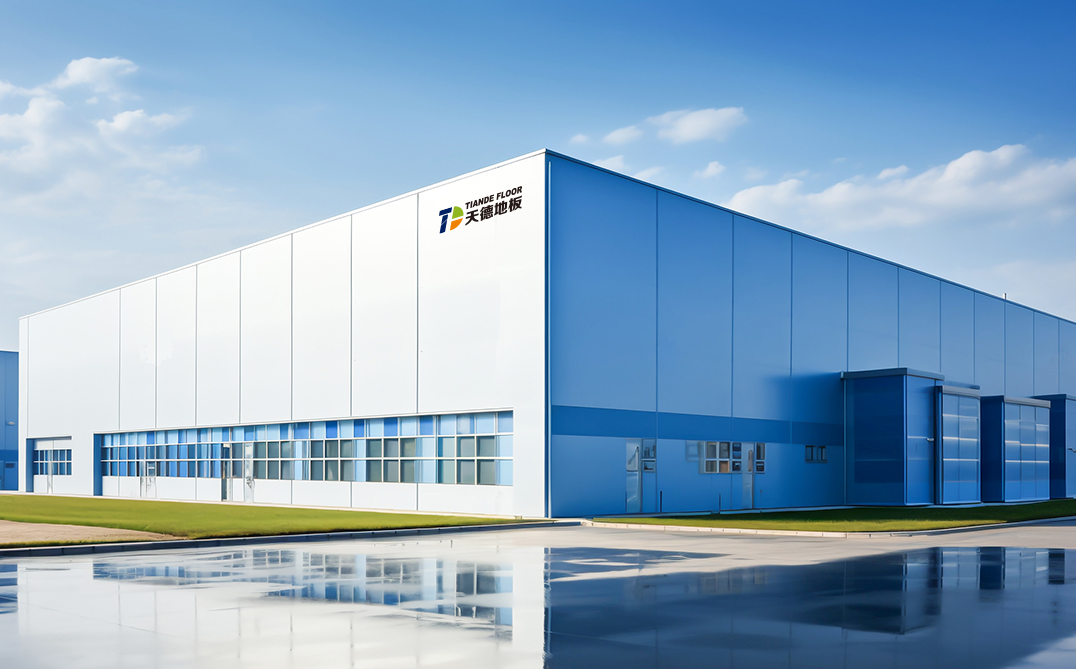
Jiangsu Tiande New Material and Technology Co., Ltd. manufactures this specific grade using a nitrogen-gas foaming process that produces uniform cell diameters (0.2 – 0.5 mm), ensuring predictable acoustic results. With over 20 years of flooring production experience, the company's 46,000 m² facility operates automated lamination lines that bond the EVA layer to a high-density kraft paper or film, facilitating seamless integration with engineered hardwood and laminate planks. This product line directly addresses the growing global demand for acoustic EVA foam underlayment that meets both ASTM E2179 and ISO 140-8 standards.
Beyond flooring, acoustic EVA foam sheets serve as lightweight, self-supporting panels for wall cladding, ceiling baffles, and machinery enclosures. These sheets are typically produced in thicknesses from 10 mm to 50 mm, with a plain or embossed surface that enhances mid-to-high frequency absorption (coefficient α > 0.6 from 500 Hz to 4 kHz). The material’s inherent flame retardancy (UL 94 V-0 or HF-1 rating) and low smoke emission make it suitable for public buildings, while its flexibility allows curved installations around columns and ducts.
A key differentiation of acoustic EVA foam sheets is their structural integrity: they can bear light mechanical loads without permanent indentation, enabling integration of lighting fixtures or signage directly onto the panel surface. This mechanical robustness stems from the cross-linked EVA matrix, which retains elasticity even after prolonged compression. Jiangsu Tiande New Material and Technology Co., Ltd. offers these sheets in custom dimensions, backed by in-house die-cutting and lamination services, ensuring that architects and contractors receive ready-to-install components with consistent thickness tolerance (± 0.3 mm) and flatness.
The most comprehensive product category is acoustic EVA foam underlayment, which combines the roles of decoupling layer, moisture barrier, and leveling compound in a single roll. This underlayment is specifically designed for floating floors over concrete, wooden subfloors, or radiant slabs. Its multi-layer construction—typically a 3 mm EVA core bonded to a non-woven fabric on both sides—provides excellent friction interlock with the flooring above, preventing creep while achieving a weighted standardized impact sound pressure level (L'n,w) as low as 58 dB in 200 mm concrete slabs.
From a material science perspective, acoustic EVA foam underlayment exhibits a unique strain-rate sensitivity: under dynamic footfall loads, the foam stiffens momentarily to support point loads, yet remains compliant for continuous static loads, reducing the risk of "telegraphing" of subfloor imperfections. This property is particularly valued in renovation projects where existing substrates are uneven or cracked. Furthermore, the underlayment's thermal resistance (R-value ≈ 0.08 m²·K/W per mm) contributes to energy efficiency, aligning with green building certifications such as LEED v4.1.
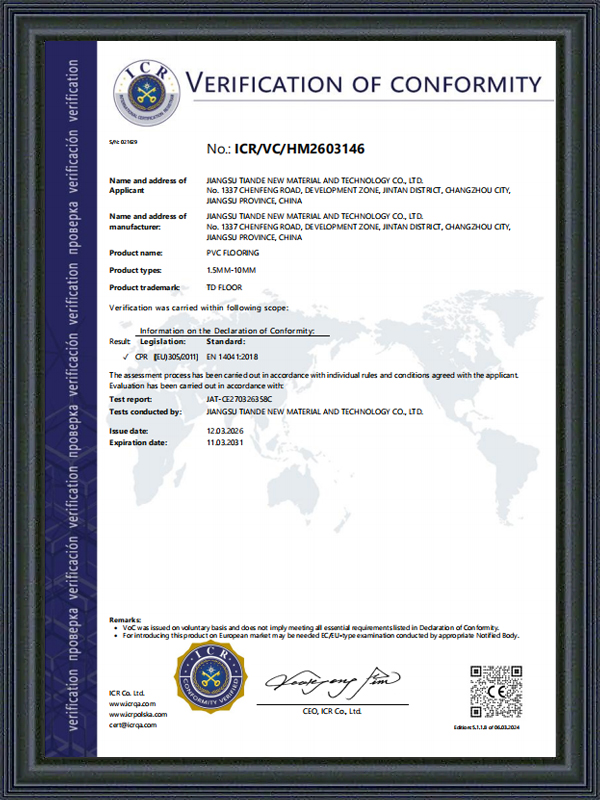
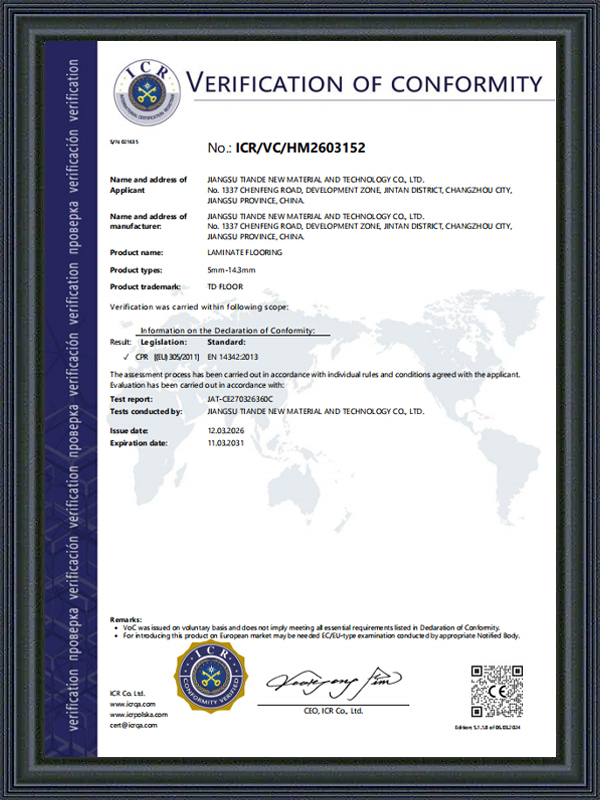
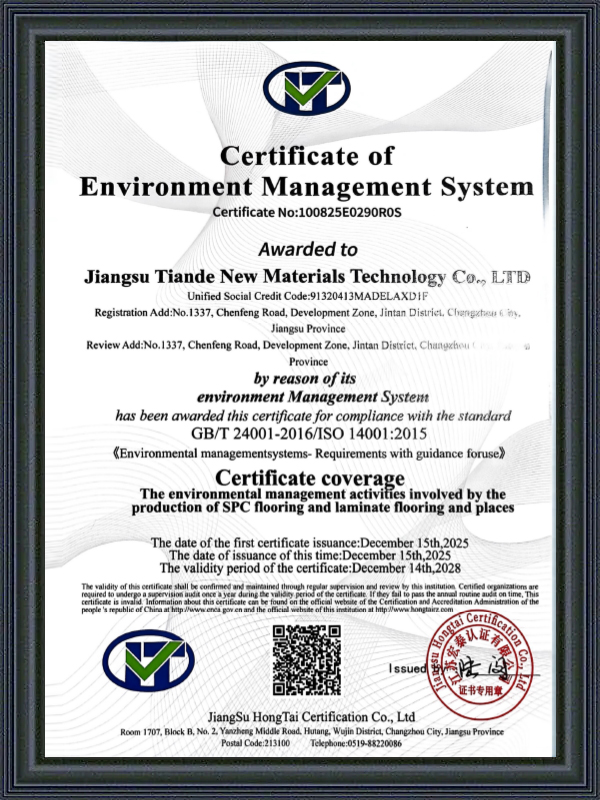
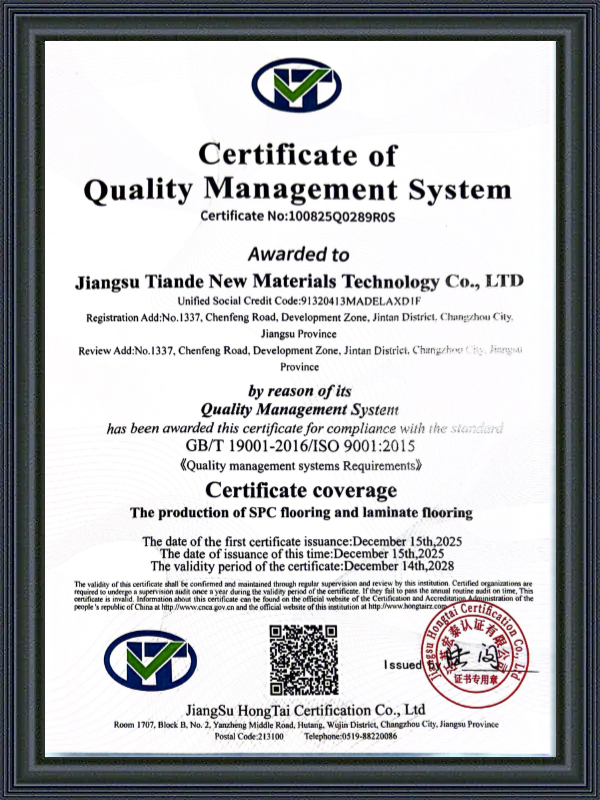
Jiangsu Tiande New Material and Technology Co., Ltd. has developed a proprietary adhesion treatment for the underlayment's lower surface, enabling peel strength > 2.5 N/mm when bonded to concrete—a critical feature for installations requiring full-surface glue-down. This capability, combined with the company's ISO 9001 and CE certifications, positions Tiande as a reliable partner for large-scale hospitality and residential projects across Europe, Southeast Asia, and North America. The company's integrated supply chain, from polymerization to final slitting, ensures that every batch of acoustic EVA foam underlayment meets stringent VOC emission limits (≤ 10 μg/m³ for TVOC) and formaldehyde-free requirements.
To facilitate specification, the following decision matrix summarizes the recommended product forms based on project constraints:
| Application | Recommended Grade | Thickness (mm) | Key Performance Target |
| Residential wood flooring | Acoustic EVA Foam for Hardwood Flooring | 3 – 4 | ΔLw ≥ 19 dB, creep < 2% |
| Studio wall panels | Acoustic EVA Foam Sheets | 25 – 40 | α ≥ 0.75 (500-2000Hz) |
| High-rise tower underlayment | Acoustic EVA Foam Underlayment | 5 – 6 | L'n,w ≤ 60 dB, R-value ≥ 0.30 |
This structured approach enables engineers to balance acoustic demands, installation costs, and long-term durability—all factors where acoustic EVA foam demonstrates consistent superiority over alternative polymer systems.
The primary distinction lies in surface texture and compressive modulus. Acoustic EVA foam for hardwood flooring features a higher surface friction coefficient (≥ 0.6) and a thinner profile (2–4 mm) to prevent lateral plank movement, whereas standard underlayment (5–6 mm) prioritizes decoupling and impact absorption for floating floors without rigid mechanical locking systems.
Tiande employs online density monitoring and ultrasonic thickness gauging at multiple points along the foaming line. Each roll is sampled for dynamic stiffness measurement per ASTM C518, and batch records are retained for traceability. This quality protocol guarantees that every shipment of acoustic EVA foam sheets or underlayment meets the specified acoustic tolerance window.
Yes. EVA is a thermoplastic polymer that can be mechanically recycled through regrinding and re-extrusion. Tiande participates in take-back programs for post-industrial scraps, converting them into protective packaging or low-density filler materials. For end-of-life panels, incineration with energy recovery is feasible due to the material's high calorific value (≈ 30 MJ/kg) and low chlorine content.
While the closed-cell structure resists moisture absorption (< 1.0% by volume), prolonged UV exposure can cause surface oxidation. For exterior applications or swimming pool areas, Tiande recommends a UV-stabilized grade with added carbon black or aluminum flake. For indoor humidity up to 95% RH (non-condensing), standard acoustic EVA foam underlayment performs without degradation in mechanical or acoustic properties.
In summary, the superiority of EVA foam for acoustic panels and soundproofing arises from its tailored density, closed-cell resilience, moisture resistance, and manufacturing precision—properties that are consistently delivered by Jiangsu Tiande New Material and Technology Co., Ltd. across all product forms. Whether specified as acoustic EVA foam for hardwood flooring, acoustic EVA foam sheets, or acoustic EVA foam underlayment, this material family offers a proven, cost-effective, and sustainable answer to modern noise control challenges.


