Home Interior Materials Suppliers
Home > Products



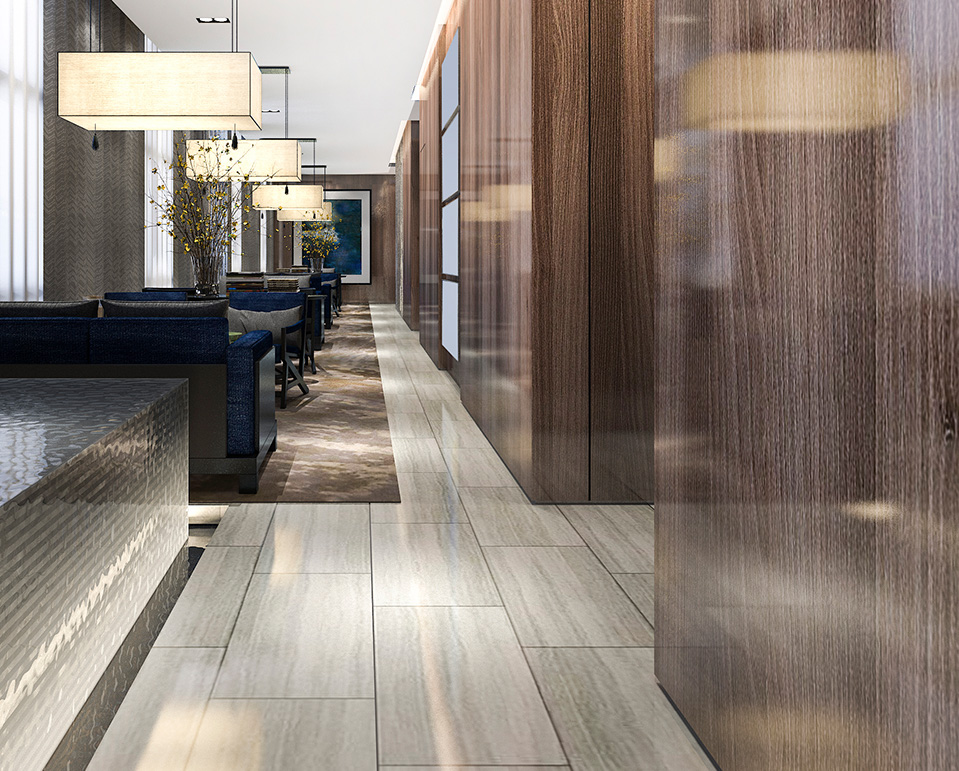
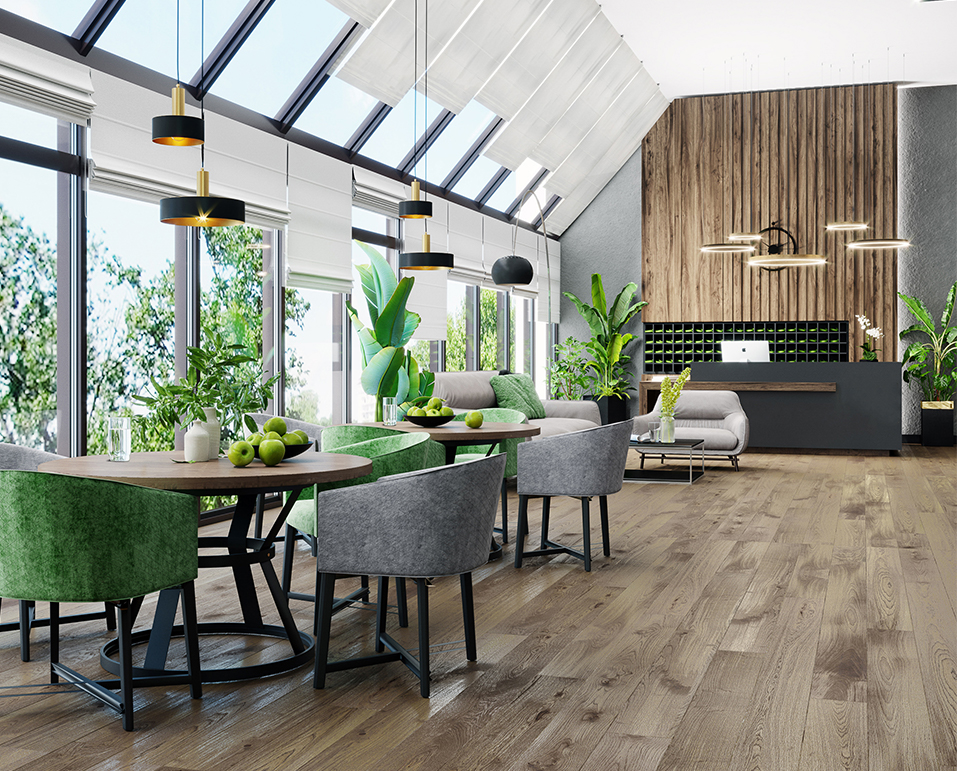
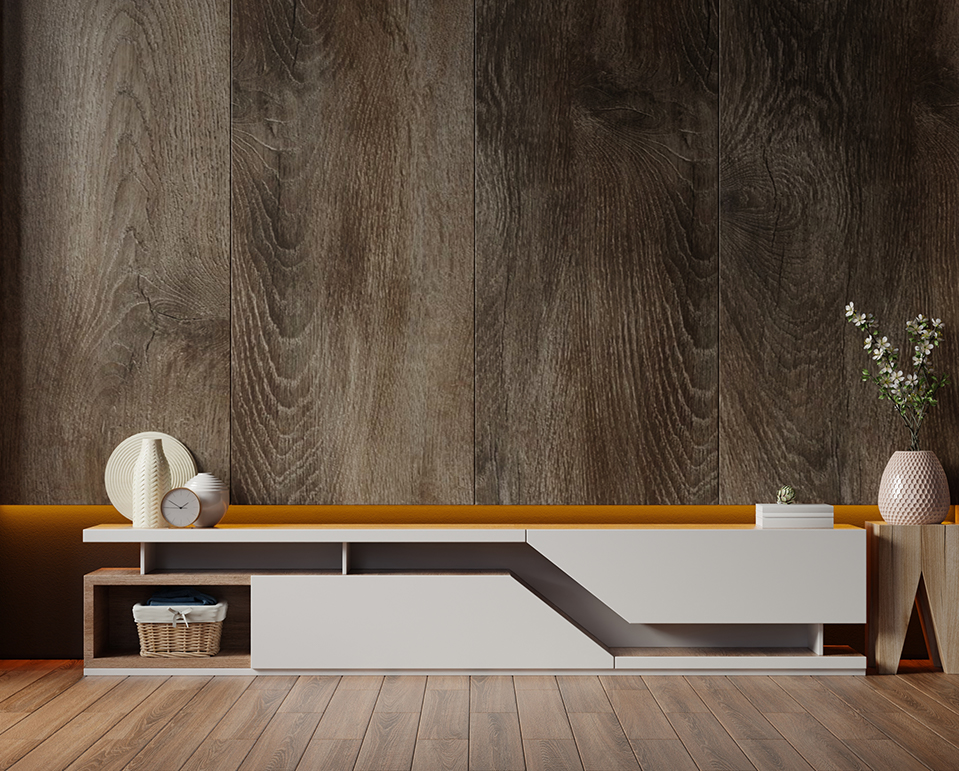
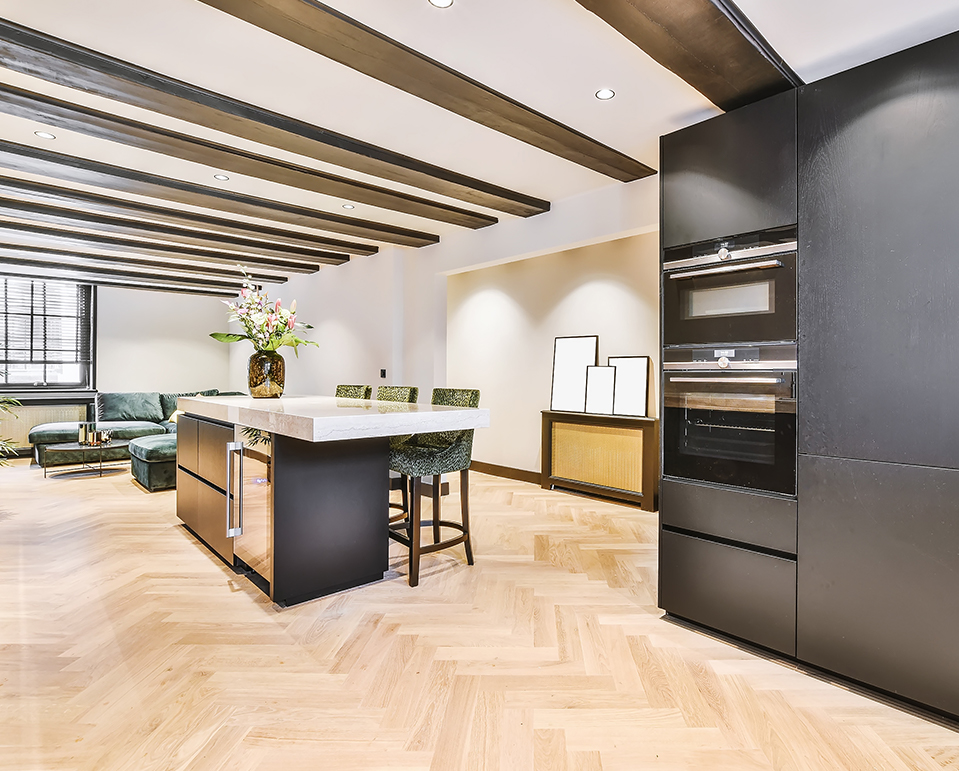
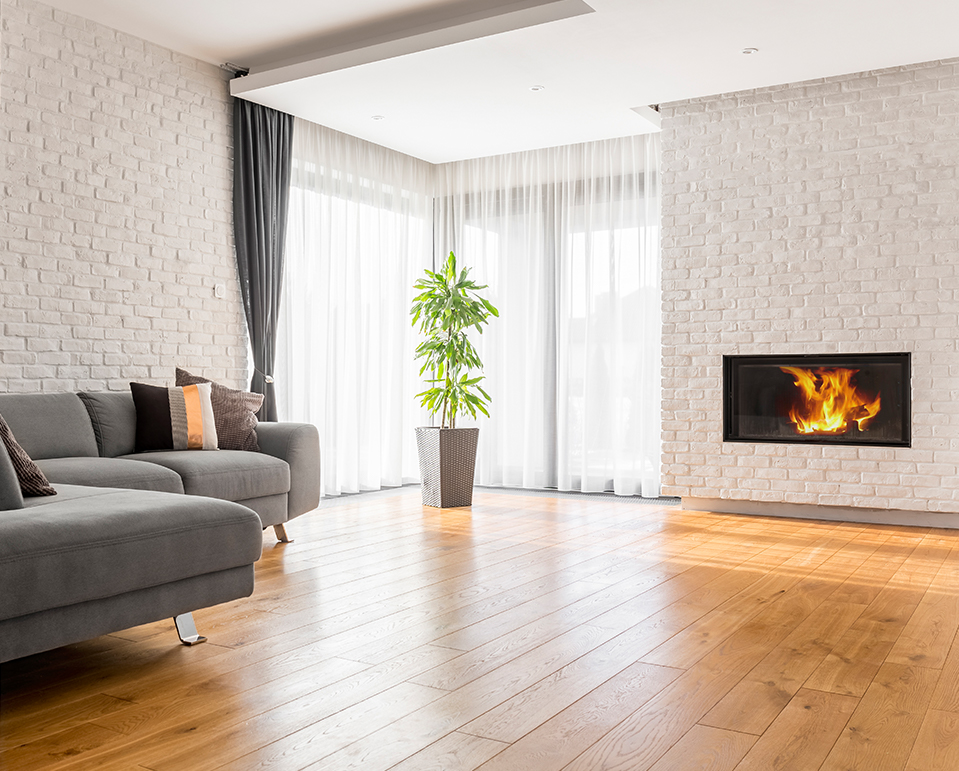


Committed to green and sustainable development, we use high-tech eco-friendly materials to replace natural wood and actively contribute to protecting forest resources and creating a healthier living environment.
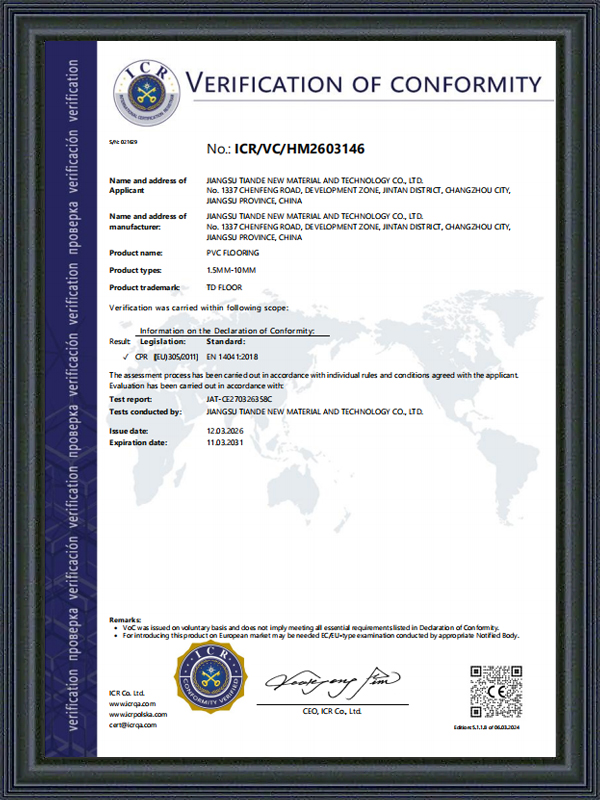
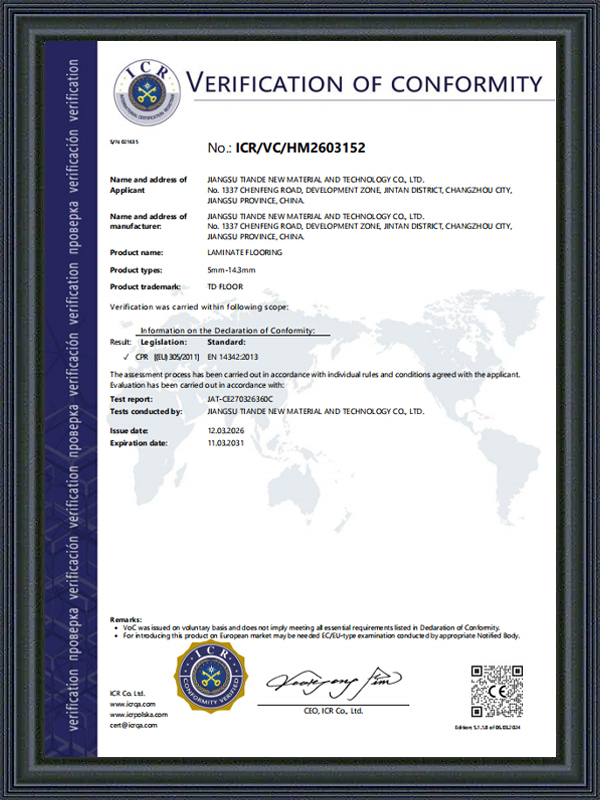
When planning commercial or residential architectural projects, understanding the distinction between modern structural components and surface finishing elements is critical for safety, regulatory compliance, and aesthetic value. Structural engineering focuses on load-bearing capacity, foundational stability, and overall structural integrity. Conversely, non-load-bearing elements—frequently categorized under building and interior decorative materials—are engineered specifically to enhance visual appeal, optimize spatial acoustics, improve wear resistance, and simplify ongoing maintenance. Distinguishing between these two architectural realms helps builders, architects, and project planners make informed decisions regarding material selection, cost management, and long-term durability.
Building structural materials include poured concrete, steel beams, masonry blocks, and load-bearing timber frameworks. These primary materials form the permanent backbone of any structure, engineered to support static loads from permanent features and dynamic environmental loads such as seismic activity and high winds. On the other hand, non-structural finishing components comprise surficial applications such as wall coverings, acoustic panels, ceiling systems, and specialized flooring solutions. Today's commercial developments increasingly depend on advanced interior decorative materials to deliver functional ergonomics, thermal efficiency, and tailored interior aesthetics while leaving the underlying load distribution entirely to structural engineering elements.
To effectively evaluate decorative finishing solutions, material scientists and architectural specifiers categorize surface materials into distinct groups based on composition, wear resistance, moisture protection, and installation methodology. Modern high-performance surface finishes serve as protective interfaces between structural elements and daily indoor foot traffic. Selecting appropriate home interior materials ensures that indoor spaces maintain high visual appeal while withstanding heavy wear, daily cleaning chemicals, and varying ambient humidity levels without structural degradation.
| Material Category | Core Composition | Wear Layer Thickness | Moisture Resistance | Primary Application Area |
| SPC Flooring | Limestone powder & PVC polymer core | 0.3mm to 0.7mm | 100% Waterproof | Commercial & high-moisture interiors |
| Laminate Flooring | High-Density Fiberboard (HDF) | AC3 to AC5 ratings | Moisture-resistant (treated edges) | Residential spaces & offices |
| Wall Panels & Cladding | Composite polymers & fiber-cement | Varies (0.1mm - 0.5mm) | High resistance | Interior vertical wall accents |
Stone Plastic Composite (SPC) flooring represents a major technological advancement in rigid core surfacing technology. Engineered through a precise mechanical blending of natural limestone powder, polyvinyl chloride resin, and chemical stabilizers, SPC produces an extremely dense, dimensionally stable plank structure. Unlike traditional wood or standard vinyl, SPC flooring is entirely waterproof and engineered specifically to resist expansion and contraction caused by fluctuations in indoor ambient temperatures. As a premier solution within modern building and interior decorative materials, SPC provides robust surface performance for high-traffic commercial and residential spaces.
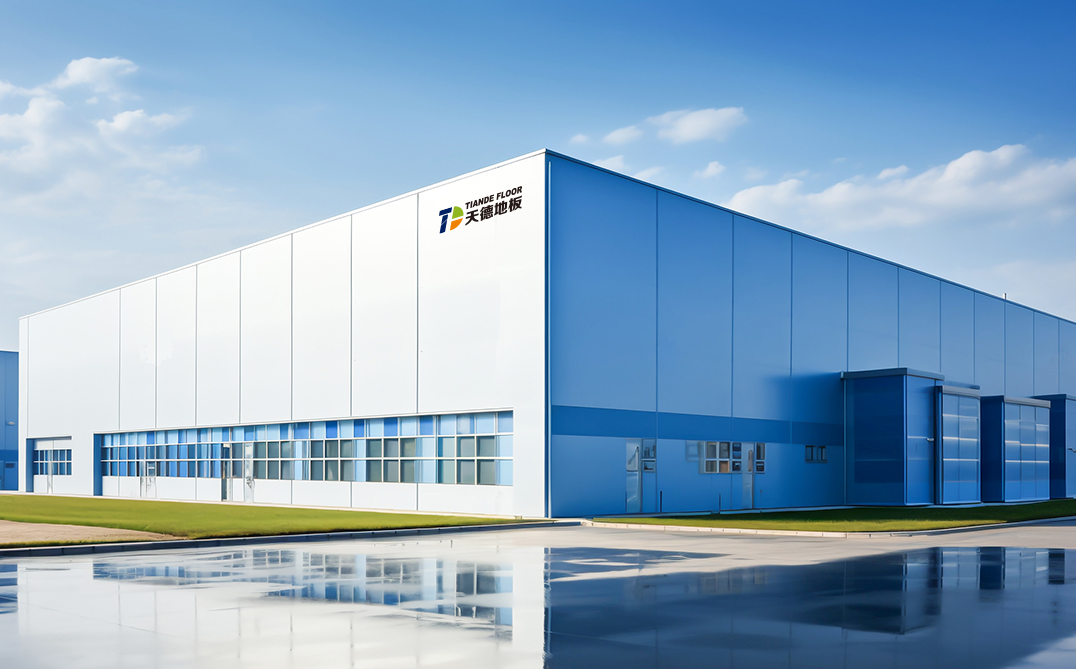
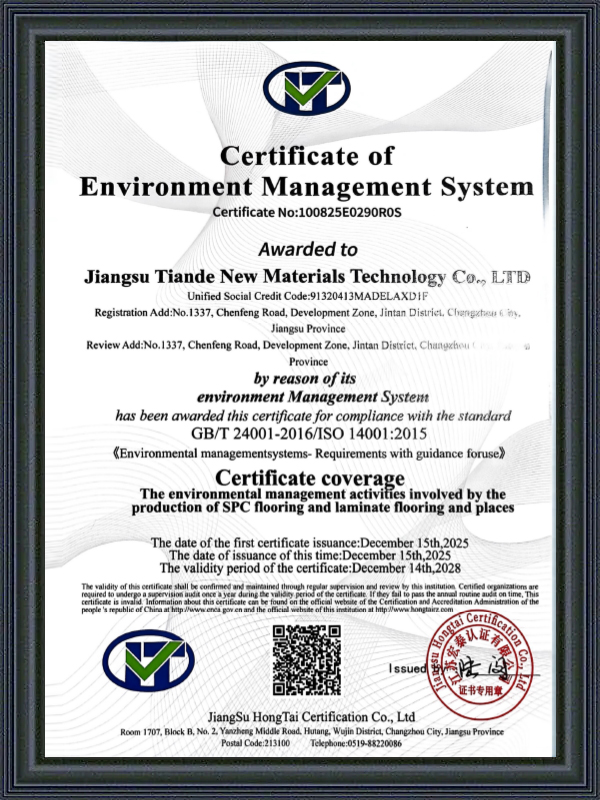
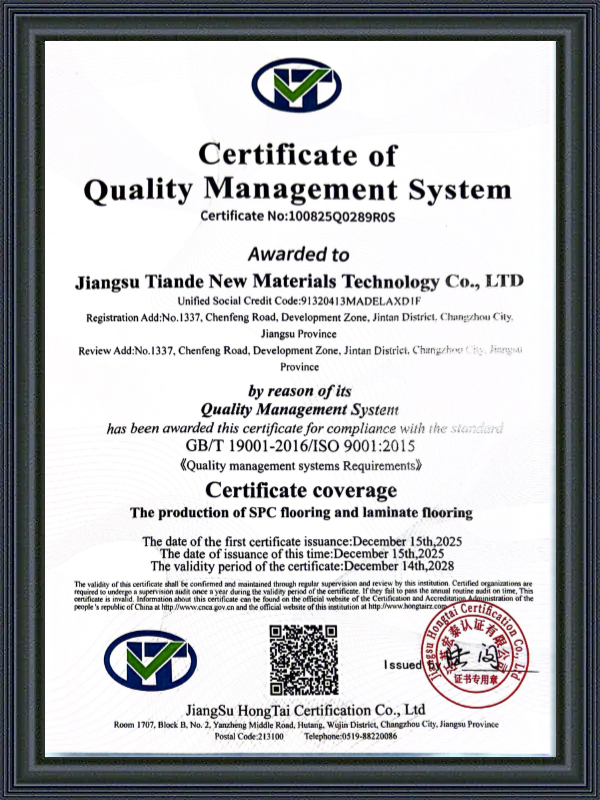
Jiangsu Tiande New Material and Technology Co., Ltd. specializes in the manufacturing of SPC flooring and laminate flooring for global markets. The company operates a modern manufacturing facility covering 46,000 square meters, supported by automated production equipment and an experienced professional team. Our team brings over 20 years of experience in flooring production and international sales, ensuring stable quality, efficient production, and reliable global supply. Tiande is committed to providing high-quality, environmentally responsible flooring products, while helping partners streamline procurement and improve market competitiveness through one-stop flooring solutions.
The technical architecture of SPC flooring consists of multi-layer extrusion, including a high-density rigid core, a high-definition decorative print film, an abrasion-resistant wear layer, and a UV protective topcoat. This structural assembly provides outstanding scratch resistance, localized dent resistance, and sound insulation capabilities when combined with attached underlayments. Its 100% waterproof nature makes it ideal for challenging indoor environments such as kitchens, bathrooms, hospitality lobbies, and healthcare facilities where frequent damp mopping and strict hygiene standards are required.
Laminate flooring is a highly versatile surface covering constructed from refined wood fibers compressed under extreme heat and pressure into a high-density fiberboard (HDF) core. This core is sandwiched between a protective balance paper at the bottom, a high-resolution realistic timber or stone photographic layer on top, and a clear melamine resin wear layer. Laminate finishes serve as an economical, eco-conscious alternative to solid hardwood flooring, offering comparable visual warmth with vastly superior scratch resistance and ease of installation.
Within the broader market for home interior materials, modern laminate flooring leverages advanced surface embossing techniques (such as Embossed in Register, or EIR) to replicate natural wood grains with exact tactile precision. Advanced click-lock edge profiling allows simple, adhesive-free floating installations over various subfloors. High-density laminate formulations perform exceptionally well in residential living areas, bedrooms, corridors, and commercial offices, balancing acoustic comfort with robust daily performance.
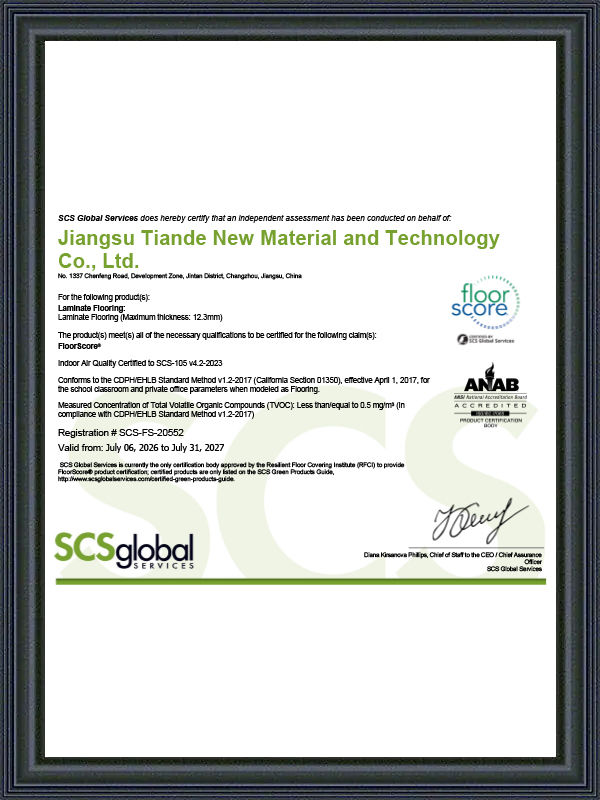
Jiangsu Tiande New Material and Technology Co., Ltd. specializes in the manufacturing of SPC flooring and laminate flooring for global markets. Leveraging advanced automated profiling lines and strict quality management standards, Tiande delivers laminate products that achieve exceptional AC ratings for commercial wear resistance. By sourcing eco-conscious fiberboard inputs and employing precise locking systems, the company provides international distributors with high-performance, cost-effective flooring solutions tailored to contemporary design trends.
Decorative wall cladding and acoustic interior panels constitute a third vital category of surface finishing elements. Manufactured from high-impact composite polymers, fiber-cement, or acoustic polyester fibers, these vertical surface coverings transform interior walls into functional design features. Decorative panels shield underlying structural drywall and masonry from scuffs and impact while simultaneously absorbing ambient room noise to enhance indoor acoustic comfort.
Unlike structural masonry or load-bearing concrete walls, vertical surface cladding systems are light in weight and engineered specifically for rapid surface attachment. Integrations of architectural wall panels with modern interior decorative materials allow architects and commercial space designers to achieve complex geometric patterns, wood slate aesthetics, or marble finishes at a fraction of the structural weight and installation labor required by natural stone or solid timber.
These interior cladding solutions are heavily used in commercial boardrooms, hotel lobbies, residential living spaces, and educational institutions. Featuring fire-retardant chemical treatings, zero-VOC emissions, and anti-microbial surface coatings, engineered decorative panels represent a crucial modern finishing tier that bridge functional wall protection, acoustic control, and high-end visual design.
Structural materials are designed to carry mechanical and architectural loads, maintaining building integrity and resisting collapse under gravitational forces or dynamic environmental stresses. Decorative finishes, such as SPC and laminate flooring, carry no structural loads and are intended solely to protect structural surfaces, provide aesthetic design, and improve interior comfort.
Yes, SPC flooring can be installed directly over flat, clean, and dry structural concrete slabs or wood subfloors. Its rigid limestone core bridges minor subfloor imperfections, making it an ideal choice within premium building and interior decorative materials for quick renovation projects without needing major structural repairs.
Jiangsu Tiande New Material and Technology Co., Ltd. operates an advanced 46,000 square meter automated manufacturing facility. Supported by a professional team with over 20 years of manufacturing and international trade experience, the company conducts rigorous raw material inspections, inline automated monitoring, and post-production testing to guarantee consistent quality for global partners.
SPC flooring features a 100% waterproof limestone polymer core that remains entirely dimensionally stable when exposed to water, spills, or high ambient humidity. Laminate flooring utilizes a wood-based HDF core that, while water-resistant with treated edges, can swell if subjected to standing moisture for prolonged periods.


