Heavy Duty Loose Lay PVC Flooring Suppliers
Floors in commercial high-traffic areas face a relentless daily routine: thousands of foot passes, ...
Read More


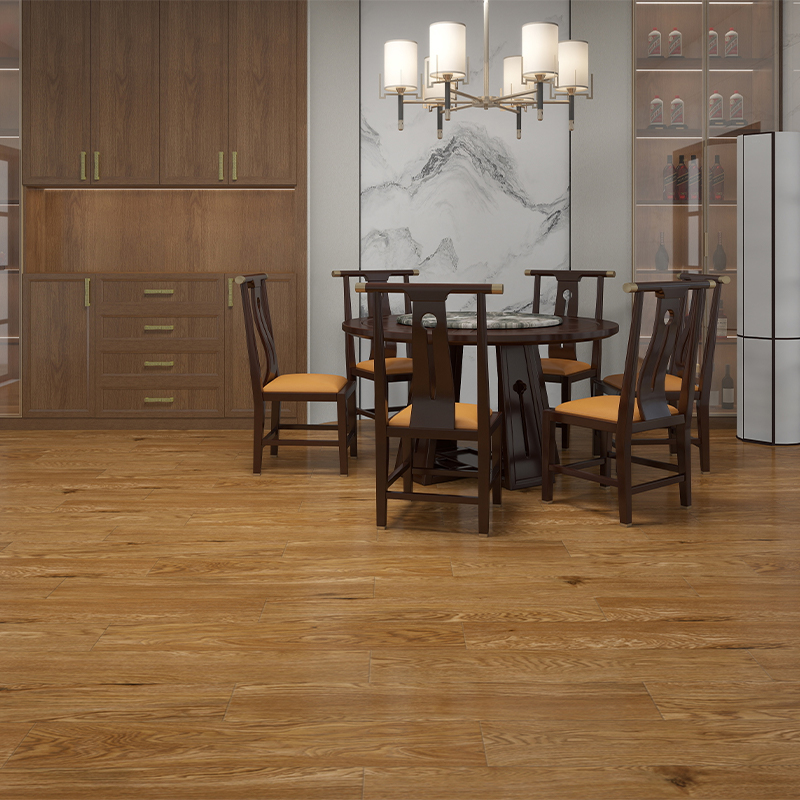
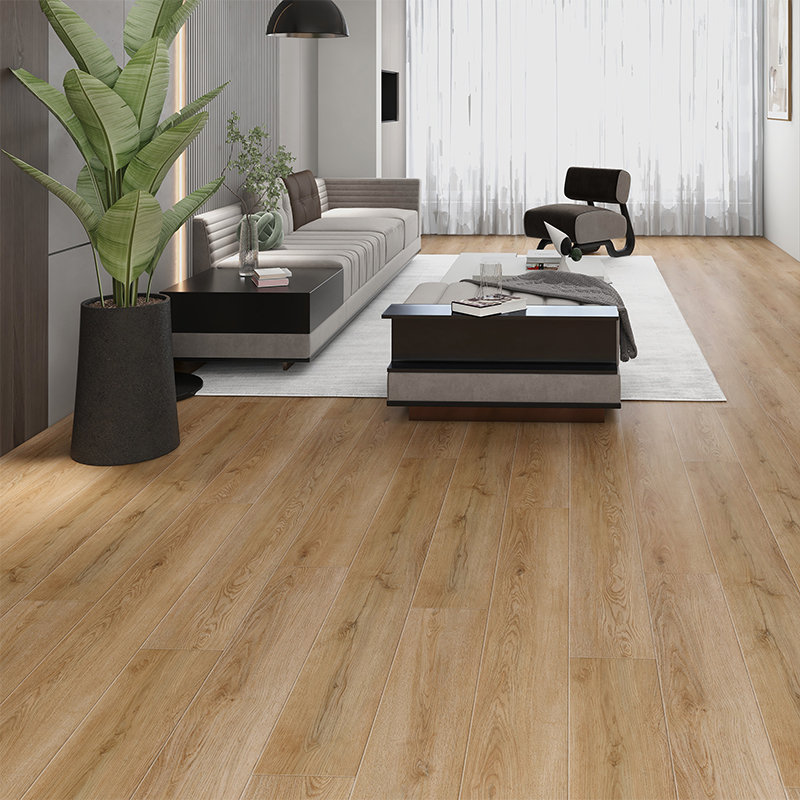
Loose lay flooring is one type of PVC flooring. It is usually 5mm thickness above, and installed without a click system. Make sure the subfloor is fairly even, and lay down this product. Loose lay is well known for fast installation and durable use.


Committed to green and sustainable development, we use high-tech eco-friendly materials to replace natural wood and actively contribute to protecting forest resources and creating a healthier living environment.
Floors in commercial high-traffic areas face a relentless daily routine: thousands of foot passes, ...
Read MoreWalk into any flooring showroom and you will hear "PVC," "vinyl," and "SPC" used almost interchang...
Read MoreWhy Kitchens Demand a Different Approach to Flooring A kitchen floor works harder than almost any o...
Read MoreWhen considering a flooring upgrade, one of the most common practical questions is whether the new material can be laid directly over the existing surface. For looselay pvc flooring, this question is particularly relevant because its installation method—relying on friction, gravity, and a specialized backing rather than adhesives or mechanical locking—offers unique possibilities and constraints. This article provides a comprehensive, professional examination of installing looselay pvc flooring over various existing substrates, covering technical requirements, product categories, and real-world application considerations. For detailed product specifications and available series, you may refer to the official looselay pvc flooring product portfolio.
Unlike glue-down or click-lock systems, looselay pvc flooring uses a high-friction backing (often a PVC or composite layer with a textured or wave-like pattern) to grip the subfloor. The weight of the material—typically 5mm thickness or more, combined with this friction, keeps the planks in place without permanent attachment. This design allows the floor to expand and contract naturally with temperature changes, while still resisting lateral movement under foot traffic and furniture loads. However, this same mechanism means that the performance of loose lay vinyl flooring depends heavily on the condition, flatness, and smoothness of the underlying surface. Any significant irregularities can compromise the friction grip, leading to shifting, edge curling, or visible telegraphing of subfloor imperfections.
To answer whether looselay pvc flooring can be installed over existing floors, we must break down the types of existing surfaces typically encountered in residential and commercial projects. Below, we examine three major categories based on material and condition, each with distinct rules.
Smooth, rigid, and level hard surfaces are the most suitable substrates for looselay pvc flooring. Concrete slabs, fully adhered ceramic tiles, and terrazzo floors, provided they are clean, dry, and free from major cracks or spalling, can serve as an excellent base. The key requirement is flatness within 3mm over a 2-meter straightedge, as specified by most manufacturers. The friction backing of removable loose lay vinyl flooring achieves maximum grip on smooth, non-porous surfaces. In practice, many commercial renovations involve installing heavy duty loose lay pvc flooring over existing tile in retail spaces, avoiding the cost and mess of demolition. For concrete, moisture testing is critical—the slab must have a relative humidity below 75% (or as per the specific product’s datasheet) to prevent alkalinity and moisture from degrading the backing over time. Interlocking looselay pvc flooring (which combines a loose-lay base with edge interlocking for added stability) is often recommended for large-area hard-surface installations, as it further resists seam separation.
Installing over existing resilient flooring is a common scenario, especially in renovations. Single-layer sheet vinyl, linoleum, or rubber floors can often accept looselay pvc flooring, provided they are fully adhered, non-cushioned, and in sound condition. Cushioned backings or soft underlayments are not suitable because they compress under load, causing the loose-lay planks to shift and the seams to open. The existing surface must be thoroughly cleaned of wax, polish, and grease; otherwise, the friction layer will not engage properly. A critical consideration is the overall thickness buildup—adding a 5mm or 6mm loose-lay product over an existing floor may raise the level significantly, affecting transitions to adjacent rooms and door clearances. In such cases, heavy duty loose lay pvc flooring with a denser core (sometimes up to 8mm) offers better resistance to indentation from heavy furniture, but the subfloor’s structural soundness remains paramount. Many installers choose to apply a smoothing compound over old resilient floors to fill embossing patterns and ensure a perfectly flat surface before laying the new planks.
Wood-based existing floors present a mixed picture. Plywood and OSB subfloors that are structurally sound, securely fastened, and level can be suitable, but they must be sanded or patched to remove any raised grain, paint, or adhesive residue. Existing strip hardwood floors are more problematic because the individual boards can expand and contract at different rates, creating localized movement that may overcome the friction of the loose-lay backing. While some interlocking looselay pvc flooring products with edge-locking mechanisms help distribute movement, it is generally recommended to install a 4mm to 6mm underlayment-grade plywood over strip hardwood before laying the loose-lay planks. This creates a uniform, dimensionally stable surface. Additionally, wood substrates are sensitive to moisture—a vapor retarder (like a 6-mil polyethylene sheet) may be required over concrete-adjacent wood floors or in humid climates. For DIY users, removable loose lay vinyl flooring is often marketed as a “floating” solution over wood, but professional assessments stress that subfloor flatness and rigidity are non-negotiable, regardless of the substrate material.
| Existing Floor Type | Flatness Tolerance (2m straightedge) | Moisture Requirement | Recommended Loose-Lay Variant |
| Concrete / Tile / Terrazzo | ≤3 mm gap | RH ≤75% (or per product spec) | Heavy duty or interlocking |
| Sheet vinyl / linoleum (non-cushioned) | ≤3 mm gap | No standing moisture; clean surface | Standard 5mm or interlocking |
| Plywood / OSB (sound) | ≤3 mm gap (sanded) | ≤12% moisture content | Interlocking for added stability |
| Strip hardwood / plank wood | Not recommended without underlayment | Requires vapor barrier if over crawlspace | Underlayment + interlocking |
When assessing an existing floor for looselay pvc flooring, a systematic approach reduces risk. The following ordered list outlines the critical stages, from inspection to final placement.
Despite its versatility, looselay pvc flooring is not suitable for every existing floor. Carpet, cushioned vinyl, or any soft, compressible surface must be completely removed before installation. Similarly, existing floors with severe unevenness (>5mm over 2m) or active moisture issues (e.g., rising damp from a concrete slab without a vapor barrier) will cause the loose-lay system to fail—planks will shift, gaps will open, and edges may curl. In such cases, a glue-down or click-lock system might be a better choice, or extensive subfloor preparation (including self-leveling compounds and moisture barriers) must be undertaken. Heavy duty loose lay pvc flooring can tolerate slightly more point-load pressure, but it does not compensate for a bad subfloor. Therefore, the honest answer is: yes, you can install over many existing floors, but only after rigorous assessment and preparation.
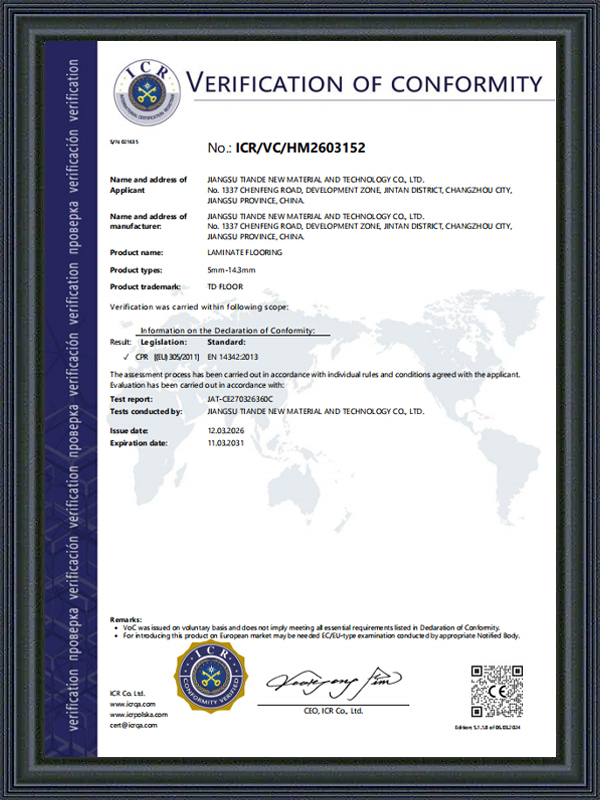
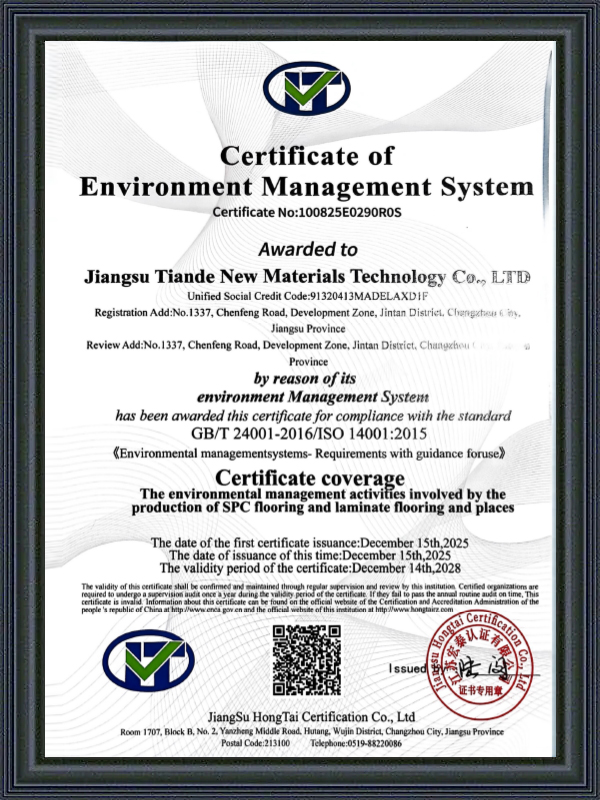
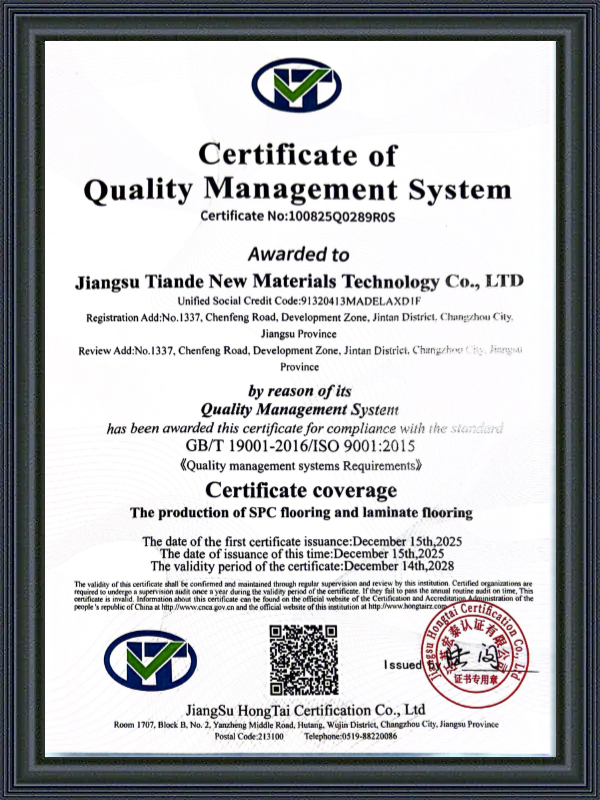
Manufacturers with deep technical expertise, such as Jiangsu Tiande New Material and Technology Co., Ltd., design their loose-lay products with specific subfloor compatibility in mind. With over 20 years of flooring production experience and a 46,000-square-meter facility, Jiangsu Tiande New Material and Technology Co., Ltd. produces interlocking looselay pvc flooring and heavy duty loose lay pvc flooring variants that undergo rigorous flatness and friction testing. The company’s automated production lines ensure consistent thickness and backing quality, which directly influences installation success over existing substrates. Their R&D team emphasizes optimizing the friction coefficient for both smooth concrete and prepared wood surfaces, providing clear technical sheets for maximum subfloor tolerance. Moreover, Jiangsu Tiande New Material and Technology Co., Ltd. offers one-stop flooring solutions—from underlayment recommendations to edge-trim profiles—helping contractors and property owners navigate the complexities of overlay installations with confidence. This holistic approach reduces the trial-and-error often associated with removable loose lay vinyl flooring projects.
To synthesize the discussion, the table below highlights the key benefits and constraints when choosing looselay pvc flooring for overlay applications.
It depends on the grout depth. If grout lines are deeper than 3mm, they will create an uneven surface that reduces friction grip and may telegraph through the planks over time. Most manufacturers recommend filling wide or deep grout lines with a cementitious leveling compound to achieve the required flatness before installation.
Standard loose-lay relies entirely on friction and weight, making it more sensitive to subfloor flatness. Interlocking looselay pvc flooring adds mechanical edge locks (similar to click systems) that connect adjacent planks, providing extra resistance against horizontal shifting. This variant is especially recommended for large areas or over wood substrates with moderate expansion movements.


