Thick Acoustic Cork Foam Sheets Suppliers
Floors in commercial high-traffic areas face a relentless daily routine: thousands of foot passes, ...
Read More


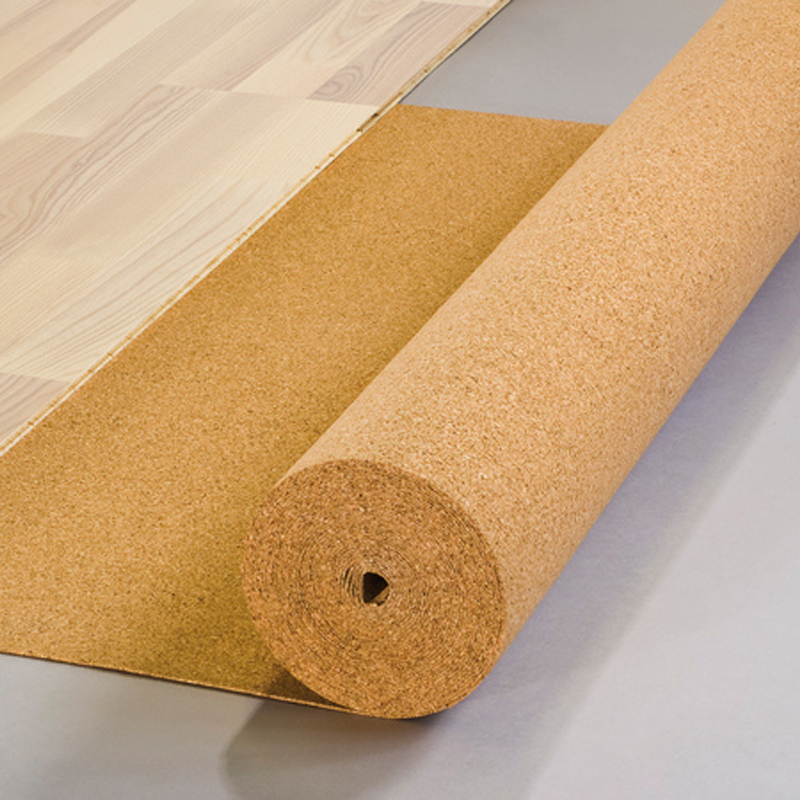
Cork foam is waterproof and moisture-proof. It can prevent moisture from the ground from penetrating the flooring. Cork foam is an environmentally friendly product with no harm to people and is VOC-free.

Committed to green and sustainable development, we use high-tech eco-friendly materials to replace natural wood and actively contribute to protecting forest resources and creating a healthier living environment.
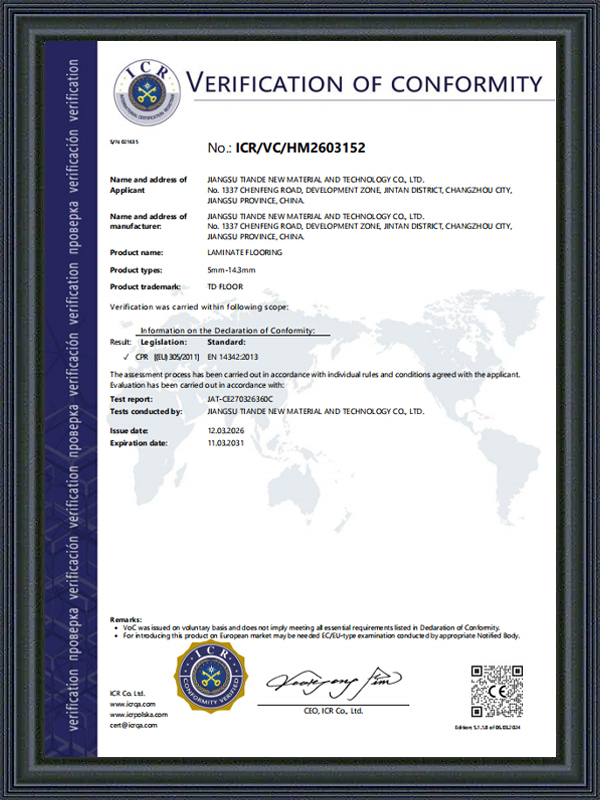
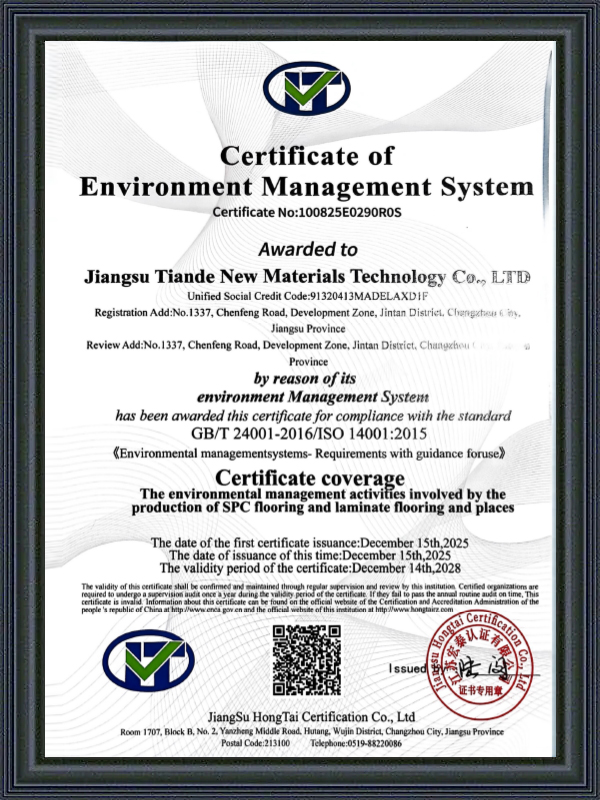
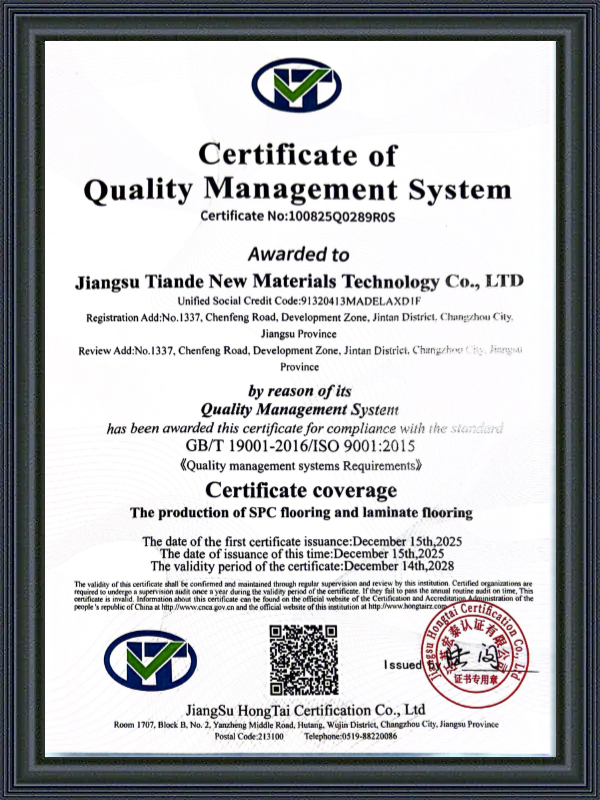
Floors in commercial high-traffic areas face a relentless daily routine: thousands of foot passes, ...
Read MoreWalk into any flooring showroom and you will hear "PVC," "vinyl," and "SPC" used almost interchang...
Read MoreWhy Kitchens Demand a Different Approach to Flooring A kitchen floor works harder than almost any o...
Read MoreIn the field of flooring underlayment and acoustic insulation, material selection directly affects long-term performance, indoor environmental quality, and installation efficiency. For decades, traditional polyurethane foam has been a common choice. However, a growing body of practical evidence and technical evaluation indicates that acoustic cork foam offers a more balanced and durable solution for modern flooring systems. This article provides a systematic comparison between acoustic cork foam and traditional polyurethane foam, covering physical properties, environmental safety, moisture resistance, and life-cycle value. The analysis is based on manufacturing practices from Jiangsu Tiande New Material and Technology Co., Ltd., a specialist in SPC and laminate flooring with over two decades of industrial experience.
The most fundamental distinction lies in the material’s response to moisture. Traditional polyurethane foam is inherently porous and tends to absorb water vapor over time, which can lead to dimensional instability, microbial growth, and a gradual loss of acoustic efficiency. In contrast, acoustic cork foam is engineered with a closed-cell structure that makes it naturally waterproof and moisture-proof. This characteristic is critical for floating floor installations, especially in ground-contact or high-humidity environments. Cork foam is waterproof and moisture-proof. It can prevent moisture from the ground from penetrating the flooring. This barrier function helps preserve the integrity of both the underlayment and the finished floor surface, reducing the risk of warping, cupping, or adhesive failure.
Moreover, the manufacturing process of acoustic cork foam does not involve polyurethane precursors or isocyanate-based blowing agents. As a result, the finished product is free from volatile organic compounds (VOCs) and does not emit harmful off-gassing during or after installation. Cork foam is an environmentally friendly product with no harm to people and is VOC-free. This makes it particularly suitable for schools, healthcare facilities, and residential projects where indoor air quality is a priority. Jiangsu Tiande New Material and Technology Co., Ltd. has incorporated these performance criteria into its production line, ensuring that every batch of cork-based underlayment meets strict environmental and physical standards.
To address diverse flooring scenarios, acoustic cork foam is available in several configurations. Each format is optimized for specific subfloor conditions, load requirements, and acoustic targets. The following three categories represent the most commonly specified variants in professional flooring projects.
Thick acoustic cork foam sheets are defined by their enhanced thickness, typically ranging from 6 mm to 12 mm, which provides superior sound absorption and vibration damping. These sheets are manufactured by compressing granulated cork with a specialized binder that maintains flexibility while ensuring structural cohesion. The primary function of thick acoustic cork foam sheets is to reduce impact noise transmission—footfall, dropped objects, and moving furniture—across multi-story buildings. In laboratory tests, these sheets achieve impact sound pressure level reductions of up to 20 dB compared to bare concrete subfloors.
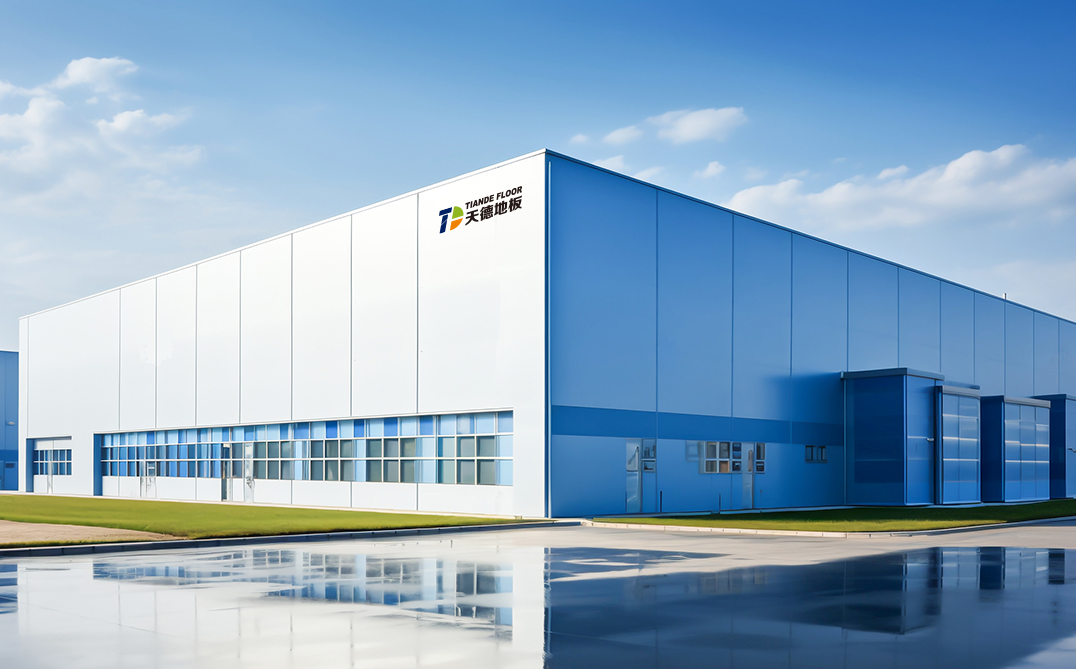
Typical applications include luxury vinyl tile (LVT) and engineered wood flooring in apartment complexes, hotels, and office towers. The thicker profile also compensates for minor subfloor irregularities, reducing the need for extensive self-leveling compounds. From a manufacturing perspective, Jiangsu Tiande New Material and Technology Co., Ltd. produces these sheets with automated cutting lines that ensure consistent edge straightness and dimensional tolerance. The company’s 46,000-square-meter facility supports high-volume output while maintaining strict quality control over density and compression resistance.
The natural acoustic cork foam underlayment represents the purest form of cork-based acoustic protection. This product uses no synthetic binders or artificial additives; instead, it relies on the natural suberin and lignin present in cork oak bark to achieve cohesion and water resistance. The result is a fully biodegradable underlayment that delivers reliable acoustic performance without introducing any synthetic polymers into the building envelope. For projects pursuing green building certifications such as LEED or BREEAM, the natural acoustic cork foam underlayment offers a compelling pathway to meet material transparency and low-emission requirements.
This variant is particularly valued in residential renovations and passive house constructions, where occupant health and ecological footprint are paramount. The natural resilience of cork also provides a comfortable walking feel underfoot while maintaining stable thermal insulation properties. Jiangsu Tiande New Material and Technology Co., Ltd. sources its cork from sustainably managed forests and applies a proprietary steam-cleaning process to eliminate impurities without using chemical agents. This aligns with the company’s broader commitment to environmentally responsible flooring solutions, which also includes SPC and laminate flooring lines.
For large-area projects where installation speed and material handling efficiency are critical, roll acoustic cork foam for flooring provides an ideal format. Supplied in rolls of 1 m width and up to 15 m length, this product combines the acoustic benefits of cork foam with the logistical convenience of a continuous membrane. The roll format minimizes seams, reducing potential weak points for moisture ingress or sound flanking. Roll acoustic cork foam for flooring is manufactured with a uniform thickness of 3 mm to 5 mm, making it suitable for use under floating floors where height restrictions apply.
This product is especially popular in open-plan offices, retail spaces, and gymnasiums, where rapid deployment and minimal disruption are required. The roll material is lightweight yet durable, and it can be unrolled directly over clean, dry subfloors without the need for adhesives in most cases. Jiangsu Tiande New Material and Technology Co., Ltd. offers this format with a pre-attached vapor barrier layer on request, further simplifying the underlayment installation process. The company’s integrated manufacturing approach—combining cork processing with flooring production—enables seamless quality coordination from raw material to finished floor system.
| Property | Thick acoustic cork foam sheets | Natural acoustic cork foam underlayment | Roll acoustic cork foam for flooring | Traditional polyurethane foam |
| Water resistance | Excellent (closed-cell) | Excellent (natural suberin) | Good (with optional vapor barrier) | Poor to moderate (open-cell) |
| VOC emissions | None (VOC-free) | None (100% natural) | None (VOC-free) | Potential off-gassing (isocyanates) |
| Compression set (long-term) | ≤ 8% | ≤ 10% | ≤ 9% | 15–25% (permanent deformation) |
| Acoustic class (impact) | Class A (ΔLw up to 20 dB) | Class B (ΔLw 16–18 dB) | Class B (ΔLw 15–17 dB) | Class C–D (ΔLw 10–14 dB) |
| Service life (typical) | > 20 years | > 25 years (natural resilience) | > 20 years | 8–12 years (loss of resilience) |
When evaluating underlayment materials beyond initial purchase price, acoustic cork foam demonstrates clear advantages. Traditional polyurethane foam tends to lose its resilience over time due to hydrolysis and oxidation, especially in environments with fluctuating humidity. This leads to a reduction in acoustic performance and increased floor movement, which can cause squeaking or joint separation in floating floors. In contrast, acoustic cork foam maintains its mechanical properties for decades, thanks to the inherent chemical stability of cork polymers. The closed-cell structure also prevents dust and moisture accumulation, reducing the need for frequent replacement.
Jiangsu Tiande New Material and Technology Co., Ltd. has validated these long-term performance claims through accelerated aging tests and real-world monitoring in commercial installations across Europe and Southeast Asia. The company’s experience in global flooring supply—with a modern facility spanning 46,000 square meters and automated production equipment—ensures that every roll and sheet of acoustic cork foam meets consistent quality standards. This reliability translates into lower total cost of ownership for building owners and fewer maintenance interventions for facility managers.
The environmental footprint of building materials is under increasing scrutiny. Traditional polyurethane foam is derived from petrochemicals and requires significant energy input during production. Additionally, its disposal often contributes to landfill waste or incineration, releasing potentially harmful compounds. Acoustic cork foam, by contrast, is made from renewable cork bark—a material that sequesters carbon during its growth cycle. The manufacturing process employed by Jiangsu Tiande New Material and Technology Co., Ltd. further reduces environmental impact by utilizing reclaimed water and optimizing energy use in the autoclave curing stage. The company’s commitment to sustainability is reflected not only in its cork products but also in its SPC and laminate flooring lines, all of which are manufactured with recyclable content.
For architects and specifiers, specifying acoustic cork foam underlayment contributes to green building credits while ensuring a healthy indoor environment. The material’s natural resistance to mold and mildew—due to its low moisture absorption—further enhances its suitability for sensitive occupancies. With over 20 years of experience in flooring production and international sales, Jiangsu Tiande New Material and Technology Co., Ltd. provides technical support and project-specific guidance to help customers select the optimal cork foam format for their climate and usage conditions.
The primary distinction lies in thickness and application scale. Thick acoustic cork foam sheets (6–12 mm) are designed for maximum impact noise reduction and subfloor leveling, making them ideal for luxury vinyl and wood floors in residential or hospitality settings. Roll acoustic cork foam for flooring (3–5 mm) prioritizes installation speed and material efficiency for large commercial areas where height constraints or budget considerations exist. Both products share the same waterproof, VOC-free core characteristics.
Yes. Acoustic cork foam has a thermal resistance (R-value) that is compatible with low-temperature radiant floor heating (up to 27°C surface temperature). However, it is recommended to use thinner variants (3–5 mm) to minimize thermal resistance. Jiangsu Tiande New Material and Technology Co., Ltd. provides specific installation guidelines for heated subfloors.
The natural acoustic cork foam underlayment exhibits superior long-term resilience because cork’s cellular structure recovers from compression better than synthetic foams. While traditional polyurethane foam may permanently compress under heavy furniture, cork maintains its acoustic and cushioning properties for the lifespan of the floor. This makes it a cost-effective choice over a 20-year building cycle.
Yes. Jiangsu Tiande New Material and Technology Co., Ltd. supports custom specifications for density, thickness, and roll dimensions based on project requirements. With automated production equipment and a 46,000 m² facility, the company can accommodate both standard and bespoke orders while maintaining consistent quality control. Technical consultation is available for acoustic and structural design coordination.


