Floors in commercial high-traffic areas face a relentless daily routine: thousands of foot passes, shopping carts rolling over joints, heavy shelving pressing into the surface, and constant spray-and-mop cleaning. Specifiers and facility managers need a floor that will not show dents, open seams, or prematur...
Read More

en

Get a Quote
Custom Roll Flooring Underlayment Manufacturers
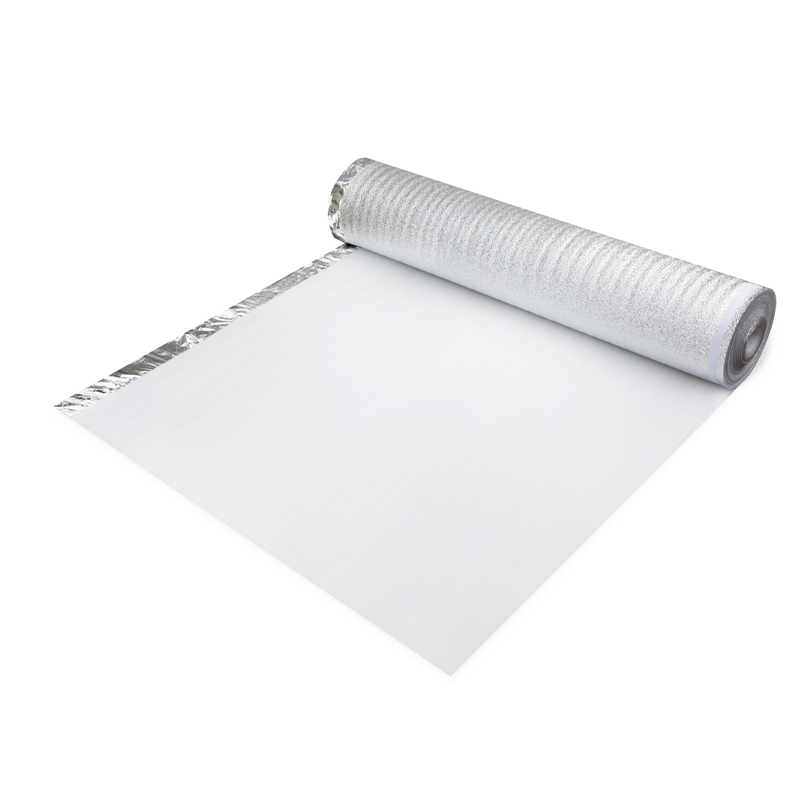
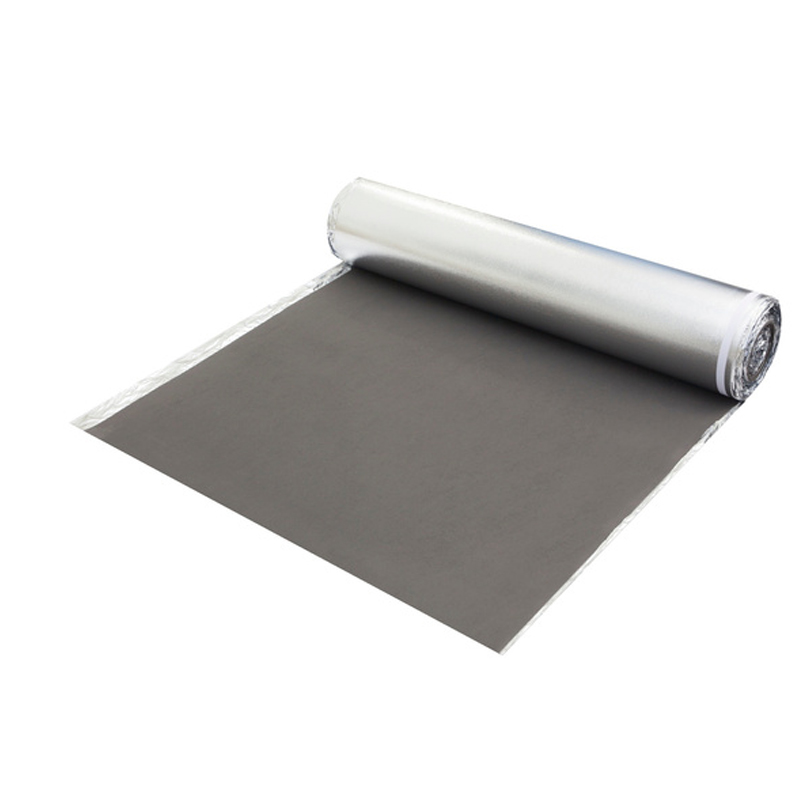
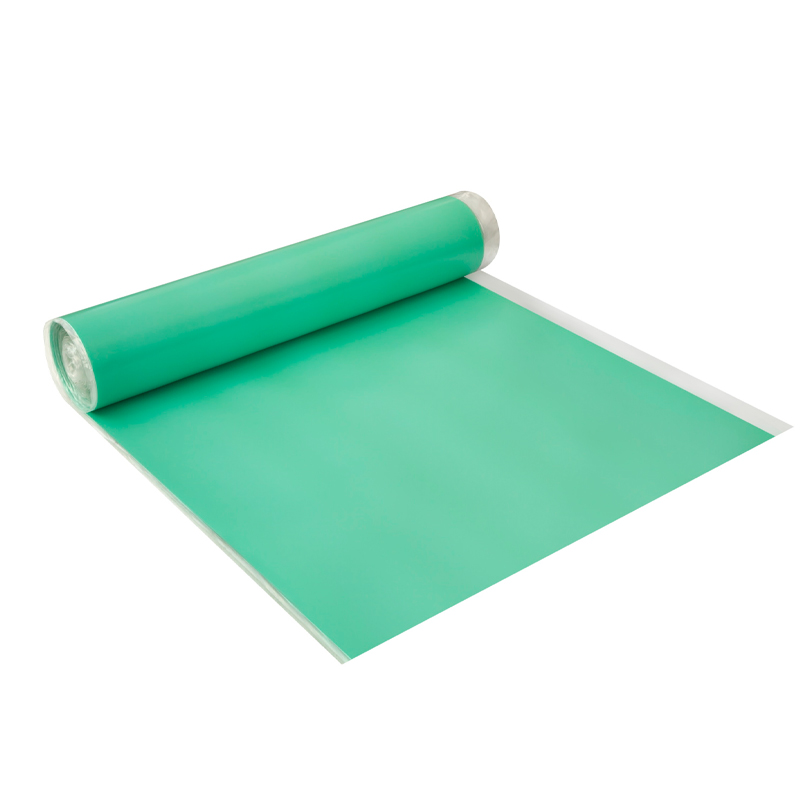
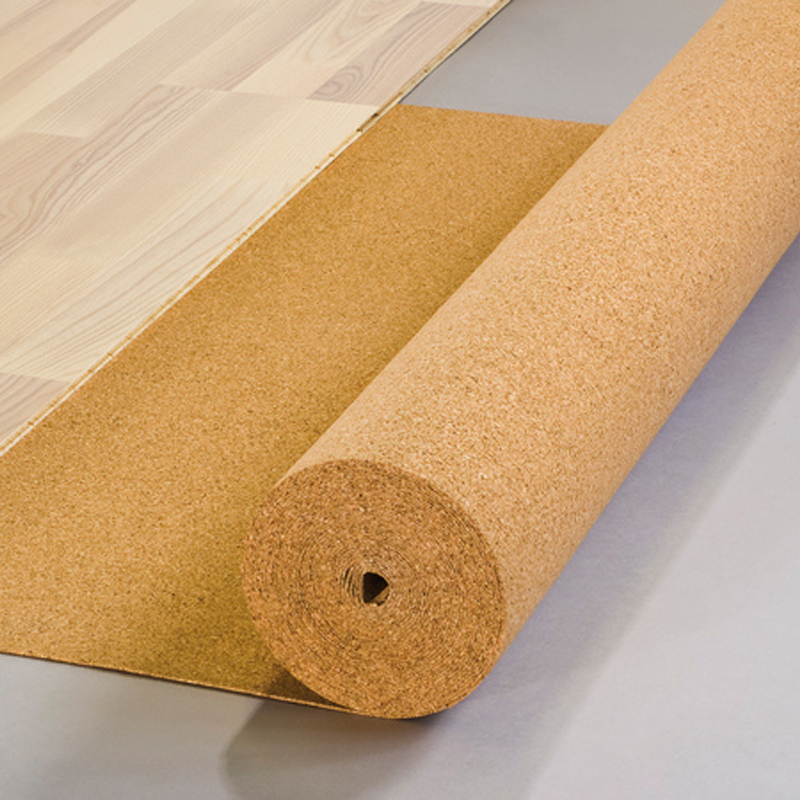
Underlayment is designed for flooring installation. It provides cushioning and floor leveling, sound absorption, and moisture protection. Good underlayment can improve comfort for users and provide a long-lasting lifespan for flooring.
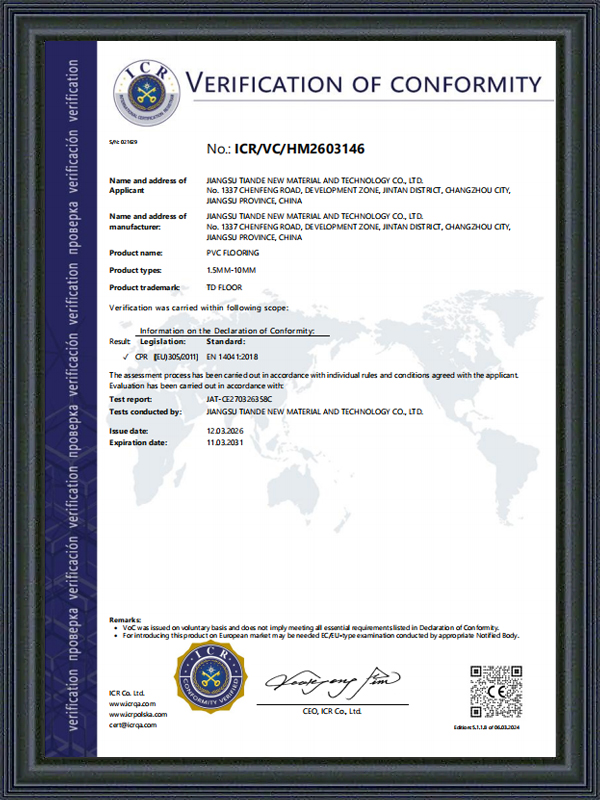
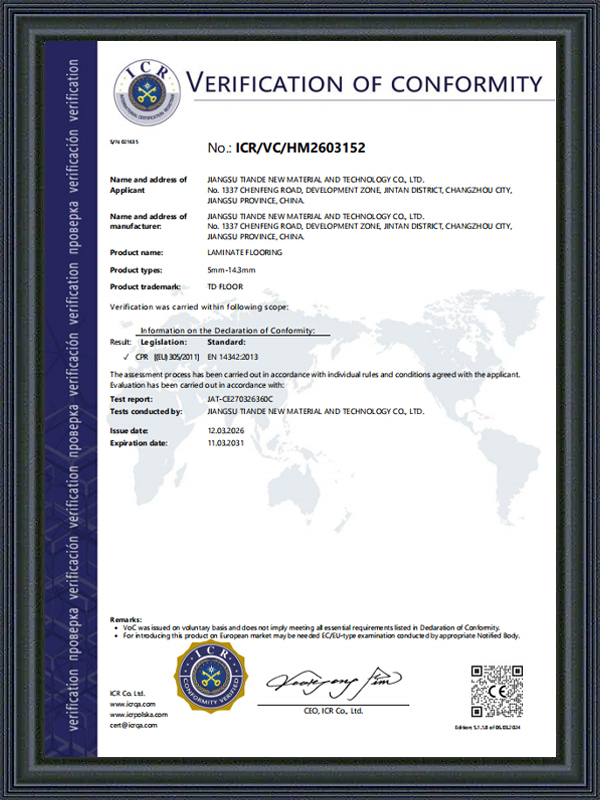
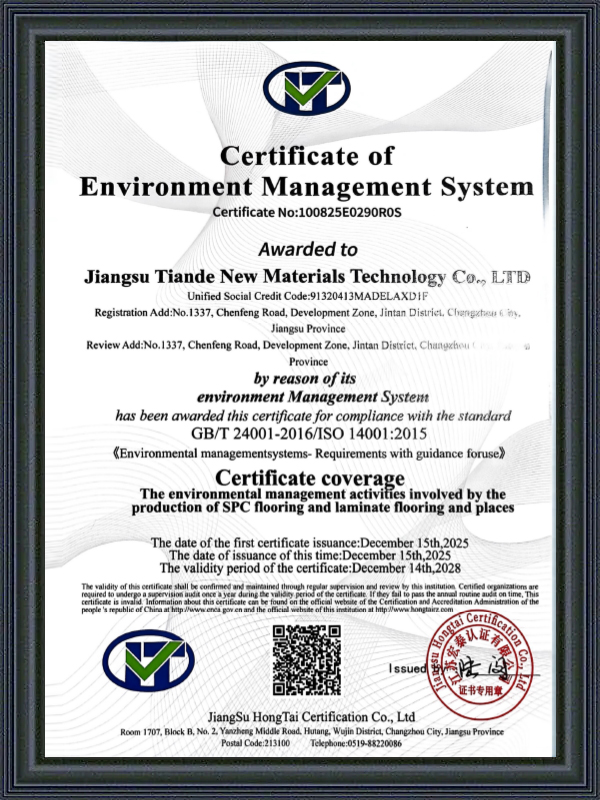
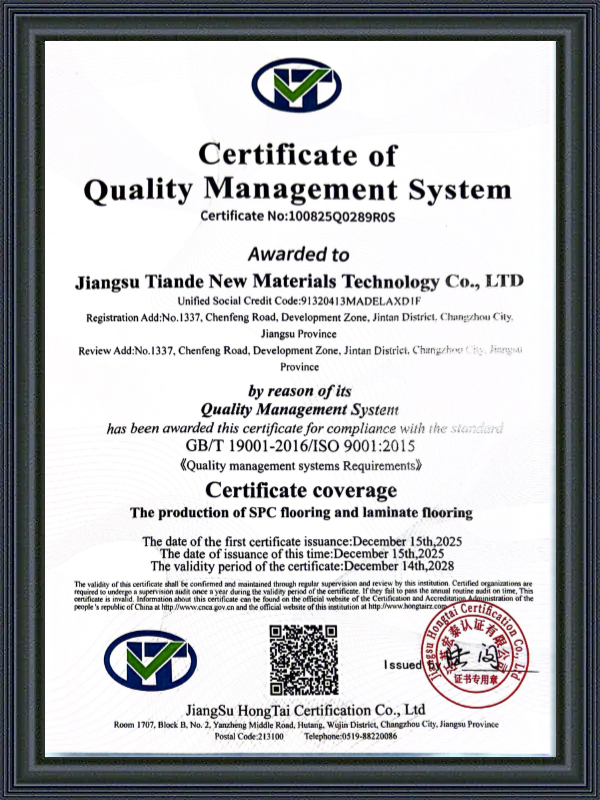
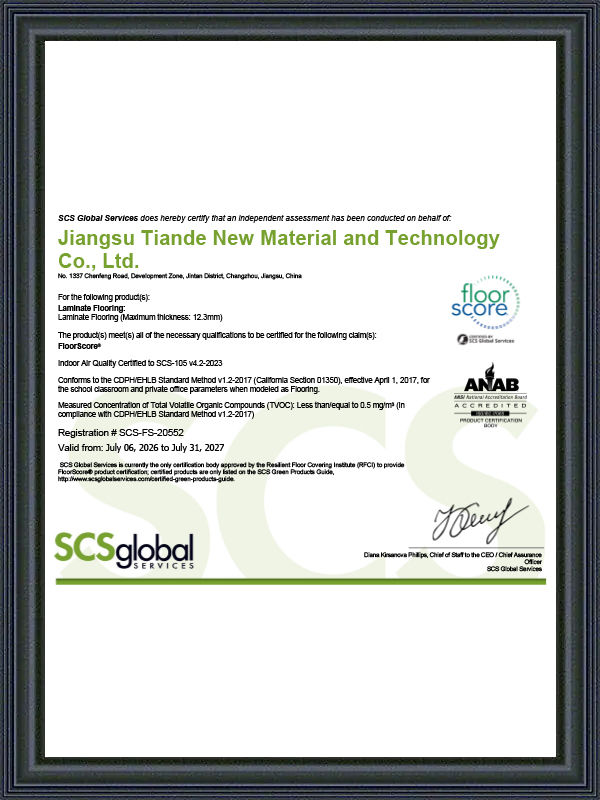
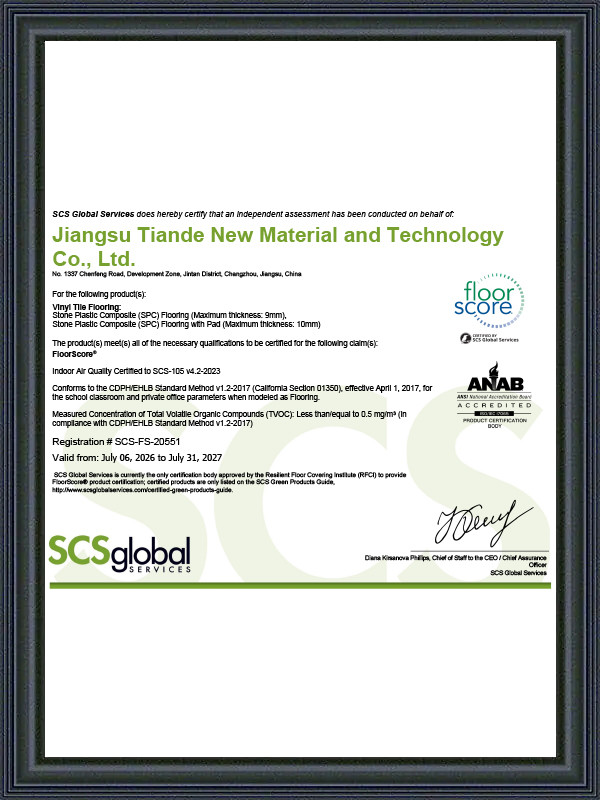
Certified Quality
The healthy choice in flooring
The healthy choice in flooring


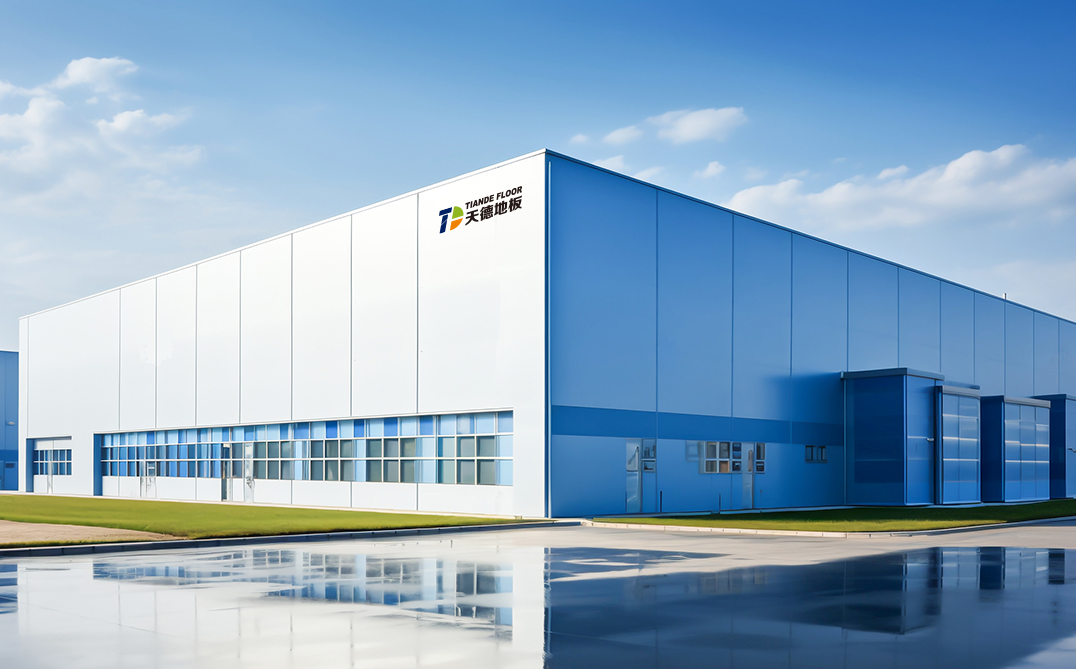
Committed to green and sustainable development, we use high-tech eco-friendly materials to replace natural wood and actively contribute to protecting forest resources and creating a healthier living environment.
Certificate Of Honor
News
-
-
Walk into any flooring showroom and you will hear "PVC," "vinyl," and "SPC" used almost interchangeably. For a buyer comparing quotes or reading a spec sheet, this ambiguity can be costly. A flooring product labeled "PVC wear layer" may not behave the same as one labeled "SPC rigid core," yet both sit on th...
Read More -
Why Kitchens Demand a Different Approach to Flooring A kitchen floor works harder than almost any other surface in a home. It absorbs dropped pans, splashed oil, standing water near the sink, and constant foot traffic between the stove, counter, and refrigerator. Traditional flooring materials often struggle...
Read More
Industry Knowledge
What thickness of underlayment should I use?
Choosing the correct thickness for your underlayment is one of the most critical decisions in any flooring project. Too thin, and you lose cushioning, sound control, and thermal protection; too thick, and your floor may feel unstable, cause transition issues, or even void manufacturer warranties. The ideal thickness depends on the subfloor type, the flooring material, the expected foot traffic, and the specific performance goals—whether you prioritize sound dampening underlayment, thermal insulation underlayment, or a balanced general-purpose pad. This guide walks through the key considerations, product families, and real-world applications to help you select the right underlayment thickness for your project, backed by manufacturing expertise and practical installation logic.
1. The Role of Thickness in Flooring Performance
Thickness directly influences three core functions: impact sound reduction, thermal insulation, and point-load deflection (how much the floor compresses under heavy furniture or heel pressure). A thicker underlayment generally improves acoustic isolation—particularly for IIC (Impact Insulation Class) ratings—and increases R-value for radiant heat or cold subfloors. However, excessive thickness (over 6–8 mm for most floating floors) can introduce excessive vertical movement, leading to seam separation or locking-system stress. For most residential applications, 2 mm to 5 mm is the practical sweet spot. Professional installers often match thickness to subfloor flatness: a moderately thicker pad can bridge minor irregularities (up to 1.5 mm over 1 meter), but it cannot replace proper leveling. Jiangsu Tiande New Material and Technology Co., Ltd. emphasizes that thickness selection must align with both the flooring type and the subfloor condition—a principle we apply across all our product lines.
2. Comparing Thickness Options by Product Category
Based on our manufacturing experience at Jiangsu Tiande New Material and Technology Co., Ltd., we classify underlayment solutions into three distinct thickness families, each engineered for specific installation scenarios. The following sections detail their definitions, technical features, applications, and competitive advantages.
2.1 Thin-Gauge Underlayment (1.5 mm – 2.5 mm) – The Stability-First Choice
This category is designed for rigid flooring types such as engineered hardwood, glued-down LVP, and direct-bond tile backer applications. The primary goal is moisture barrier integration and micro-leveling rather than significant cushioning. Thin-gauge roll flooring underlayment offers excellent dimensional stability, minimizing vertical movement under heavy rolling loads (e.g., office chairs or kitchen islands). It typically includes a built-in vapor retarder (0.15–0.20 perms), making it suitable for concrete slabs with low moisture emission.
- Key features: High density (≥ 120 kg/m³), low compression set (< 5% after 24h), compatible with radiant electric systems.
- Typical uses: Multi-story commercial lobbies, showrooms, and kitchens with heavy stationary fixtures.
- Differentiation: Offers the flattest finished surface; does not amplify subfloor imperfections; easier to transition to adjacent flooring.
For this thickness tier, Jiangsu Tiande New Material and Technology Co., Ltd. produces a premium polyethylene-based sound dampening underlayment variant that achieves a ΔIIC of 18 dB at only 2.0 mm—an industry benchmark for slim-profile acoustics. This is particularly valuable in condominium renovations where ceiling height must be preserved.
2.2 Mid-Range Underlayment (3.0 mm – 4.5 mm) – The Versatile All-Rounder
This is the most popular thickness bracket for floating laminate and SPC (stone plastic composite) floors. It balances thermal insulation underlayment performance with adequate impact absorption, while remaining thin enough to keep the floor stable under dynamic loads. Most major flooring brands recommend 3–4 mm for residential over wood subfloors and 4–5 mm for concrete with radiant heat. Our mid-range underlayment combines closed-cell foam with a laminated film, offering both moisture protection and a slight thermal break (R-value ≈ 0.6–0.8 ft²·°F·h/BTU per 3 mm).
- Key features: Medium density (80–100 kg/m³), excellent walk-on comfort, good acoustic absorption (ΔIIC 20–24 dB).
- Typical uses: Living rooms, bedrooms, hallways, and light commercial offices with moderate foot traffic.
- Differentiation: Best cost-to-performance ratio; accommodates minor subfloor unevenness (up to 2 mm over 1m); universally compatible with click-lock systems.
At Jiangsu Tiande New Material and Technology Co., Ltd., our 3.5 mm roll flooring underlayment is the top seller for international SPC flooring projects, thanks to its consistent thickness tolerance (±0.15 mm) and high tear resistance—critical for high-speed roll-out installations. This thickness also works seamlessly with our SPC locking profiles, reducing the risk of edge peaking over time.
2.3 Thick Underlayment (5.0 mm – 7.0 mm) – Maximum Comfort and Acoustics
This category is reserved for areas where sound dampening underlayment and underfoot warmth are paramount—such as upstairs bedrooms, home theaters, and luxury apartments. The added thickness significantly reduces footfall noise and provides a noticeable “spring” that many consumers associate with premium feel. However, this thickness demands a very flat subfloor (≤ 1.5 mm deviation over 1.5 m) and often requires additional edge support at heavy load points. Our 6 mm thermal insulation underlayment variant incorporates a recycled fiber-foam composite that delivers R-1.1 and ΔIIC 28 dB, making it one of the most effective passive acoustic solutions on the market.
- Application emphasis: Multi-family housing, recording studios, and basement conversions over insulated concrete.
- Installation caution: Must be fully taped at seams and secured with perimeter spacers to prevent wave formation.
- Trade-off: Higher material cost and increased floating-floor deflection (must be checked against flooring manufacturer’s maximum allowable deflection).
Jiangsu Tiande New Material and Technology Co., Ltd. advises clients that thick underlayment is best paired with rigid core SPC (rather than laminate) to avoid excessive joint movement. Our 5.5 mm acoustic variant has been independently tested to meet the most stringent building codes for impact noise in European residential standards—a direct result of our 20+ years of formulation expertise.
3. Comparative Table – Thickness, Performance, and Best Use
| Thickness Range | Primary Function | ΔIIC (approx.) | R-Value (per mm) | Recommended Flooring |
| 1.5 – 2.5 mm | Stability + vapor barrier | 16 – 18 dB | 0.18 – 0.22 | Engineered wood, glued LVP, tile backer |
| 3.0 – 4.5 mm | Balanced comfort + insulation | 20 – 24 dB | 0.20 – 0.25 | Laminate, SPC, floating LVP |
| 5.0 – 7.0 mm | Max acoustics + thermal break | 26 – 30 dB | 0.28 – 0.32 | Luxury SPC, rigid core, acoustic-rated projects |
Note: All values are based on laboratory tests performed by Jiangsu Tiande New Material and Technology Co., Ltd. using ASTM E492 and C518 standards. Actual performance varies with subfloor type and installation quality.
4. Practical Decision Workflow – Choosing Your Thickness
To systematically determine the right thickness, follow this four-step process, which we recommend to all our distribution partners:
- Check subfloor flatness: Use a 2 m straightedge – if gaps exceed 3 mm, choose a thinner pad (≤ 3 mm) to reduce deflection, or level the subfloor first.
- Identify traffic and load: For commercial rolling loads (≥ 150 kg per wheel), select ≤ 3 mm high-density underlayment. For residential living areas, 3.5–5 mm is optimal.
- Evaluate acoustic requirements: If building code demands ΔIIC ≥ 55 (with floor assembly), choose 5+ mm sound dampening underlayment and pair with acoustic caulk.
- Consider thermal goals: For heated subfloors, prefer 2–4 mm thermal insulation underlayment with low thermal resistance (R ≤ 0.6) to allow efficient heat transfer—thicker pads actually reduce radiant efficiency.
Jiangsu Tiande New Material and Technology Co., Ltd. provides a thickness recommendation tool for each batch of roll flooring underlayment, factoring in the specific SPC or laminate core thickness, to prevent over-compression and warranty conflicts.
5. Frequently Asked Questions
Q1: Is thicker underlayment always better for soundproofing?
Not necessarily. While 6 mm sound dampening underlayment offers superior ΔIIC values, the improvement from 4 mm to 6 mm is often only 3–4 dB, whereas the risk of floor instability increases significantly. For most residential needs, 4 mm is the “sweet spot” for both acoustics and structural safety.
Q2: Can I use the same underlayment thickness for both laminate and SPC?
Laminate (HDF core) is more susceptible to moisture and edge swelling, so a 3 mm underlayment with a strong vapor barrier is preferred. SPC (stone-plastic composite) is dimensionally stable and can tolerate up to 5 mm without issue. Always check the flooring manufacturer’s maximum allowable deflection—usually 2–3 mm for laminate, 5 mm for SPC.
Q3: How does Jiangsu Tiande New Material and Technology Co., Ltd. ensure thickness consistency across production?
Our 46,000 m² facility uses laser-controlled calendering lines with real-time thickness feedback (accuracy ±0.05 mm). Every roll of roll flooring underlayment is scanned at 5 m intervals, and any deviation triggers automatic rejection. This is part of our 20-year manufacturing heritage in flooring components.
Q4: Can I mix different underlayment thicknesses in the same room?
Mixing thicknesses creates differential deflection, which leads to uneven wear and visible height differences at seams. We strongly advise using a single thickness throughout a continuous area. If zoning is required (e.g., heavy kitchen vs. quiet bedroom), install a transition strip and use matching thermal insulation underlayment variants of the same thickness for each zone.
Q5: What thickness do you recommend for basement floors over concrete?
For basements, we recommend a 4 mm underlayment with an integral vapor barrier (≥ 0.15 perm) to block ground moisture. Thicker pads (6 mm) trap more air and can create a “spongy” feel over concrete, increasing the risk of plank separation. Our 4.2 mm roll flooring underlayment with reinforced film is the most specified option for below-grade installations.

Reliable Flooring Manufacturing
Professional SPC & Laminate Flooring Manufacturer
- Product Categories
- Address: 1337 Chenfeng Road, Economic Development Zone, Jintan District, Changzhou City, Jiangsu Province, China
- E-mail: info@tdfloor.com
-
Tel: +86-18351221480 (WhatsApp)
+86-519-82827168
Copyright ©
Jiangsu Tiande New Material And Technology Co.,Ltd. All Rights Reserved.
Custom Thermal Insulation Underlayment Factory

