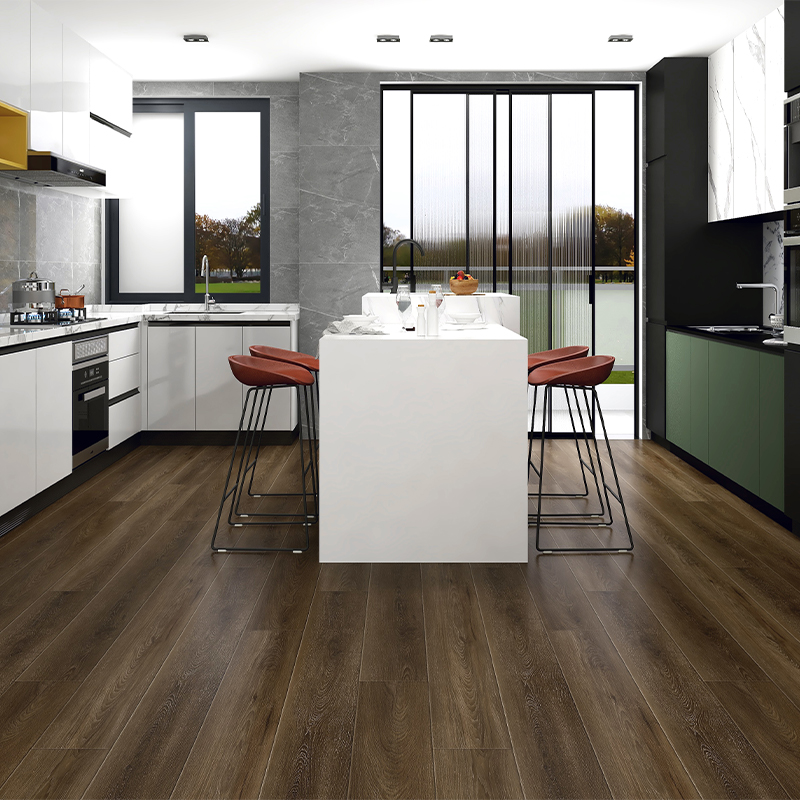
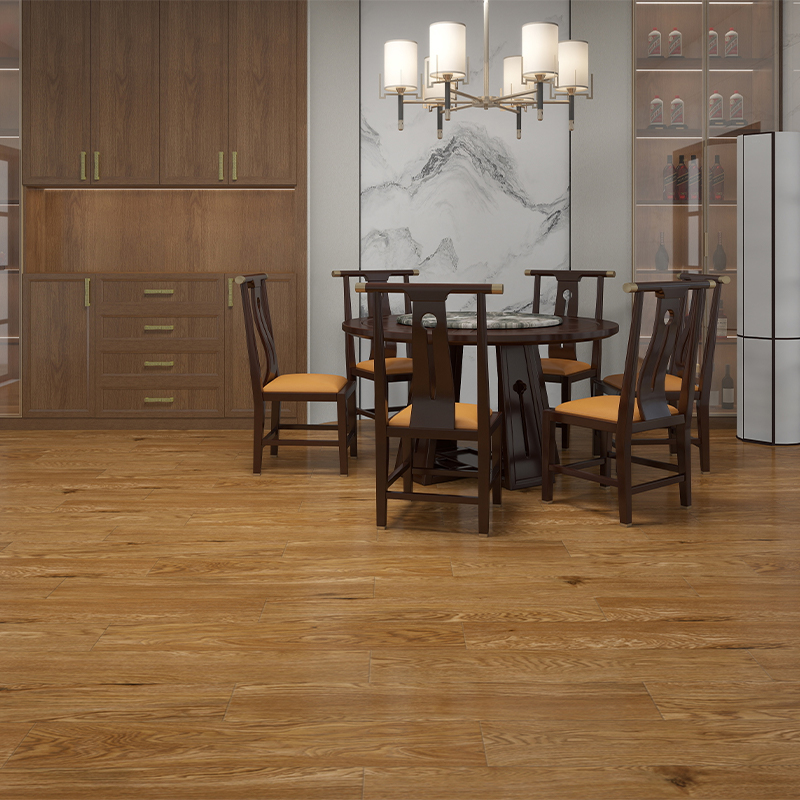
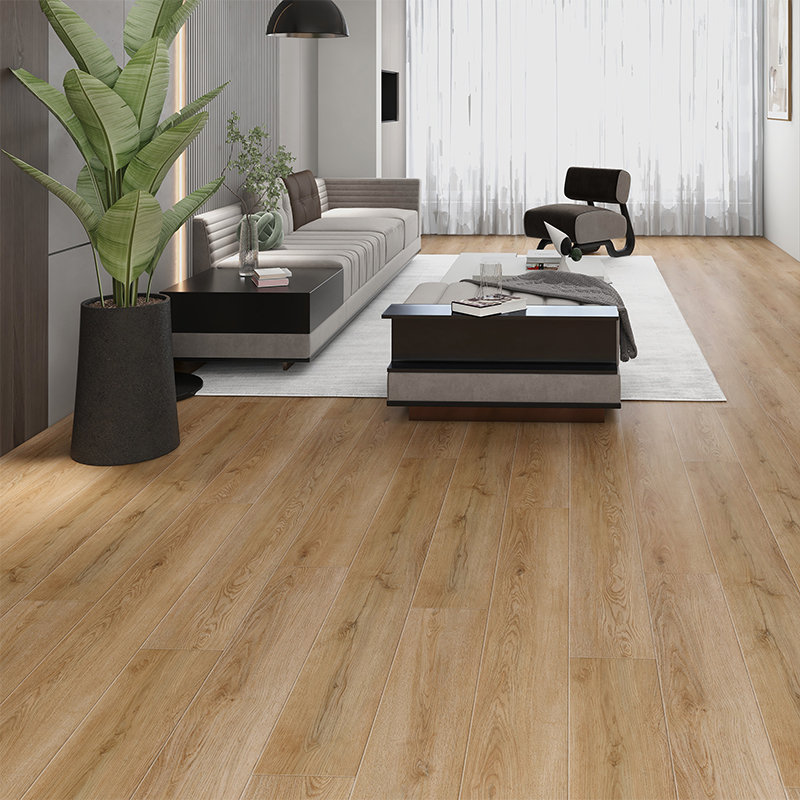
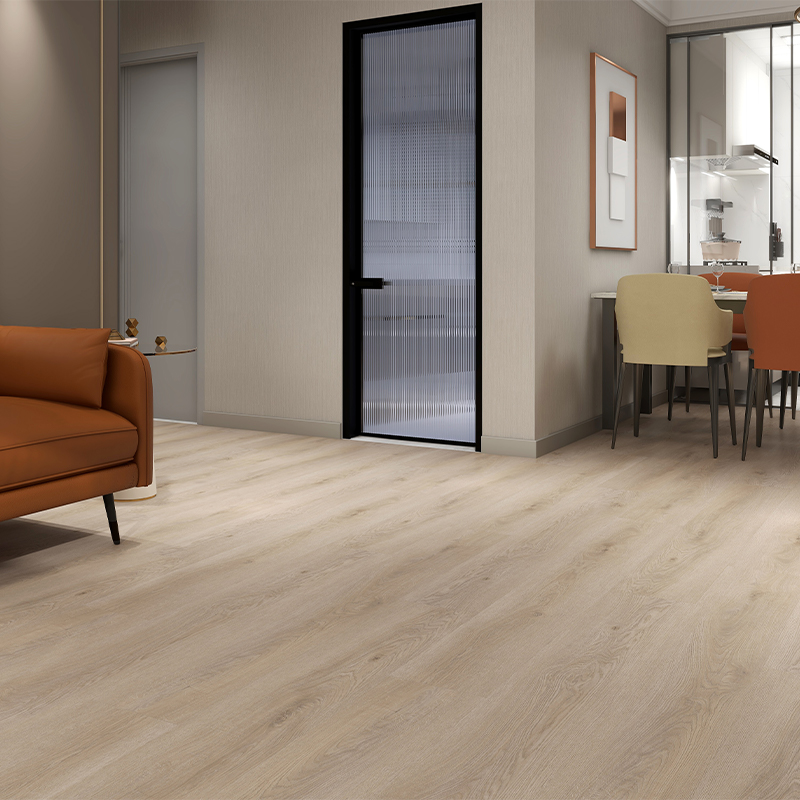
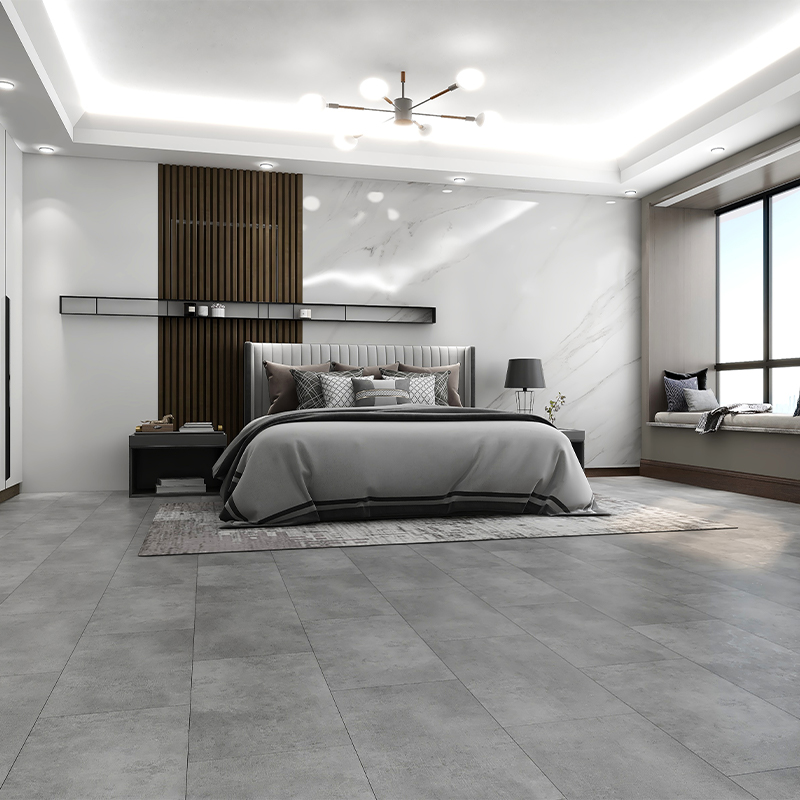
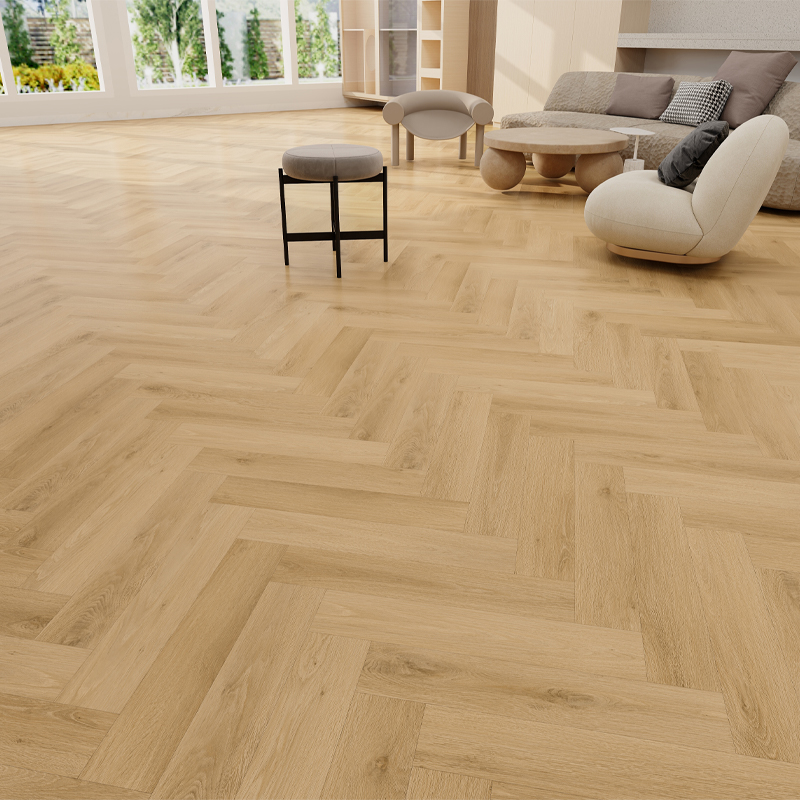
Floors in commercial high-traffic areas face a relentless daily routine: thousands of foot passes, shopping carts rolling over joints, heavy shelving pressing into the surface, and constant spray-and-mop cleaning. Specifiers and facility managers need a floor that will not show dents, open seams, or prematur...
Read More

en

Get a Quote
Custom Commercial PVC Flooring Manufacturers
PVC flooring, also known as vinyl flooring, is one of the most versatile and cost-effective flooring solutions for both residential and commercial spaces. Made from polyvinyl chloride (PVC) combined with advanced composite materials, PVC floors deliver exceptional water resistance, durability, and ease of maintenance — outperforming traditional hardwood, tile, and laminate in high-moisture environments.
Our PVC flooring collection covers a wide range of installation methods and performance levels, from rigid-core SPC planks built for heavy foot traffic to flexible loose-lay and self-adhesive options ideal for quick, hassle-free installations. With realistic wood-look and stone-look designs powered by high-definition printing technology, PVC flooring brings the beauty of natural materials at a fraction of the cost.
Whether you're renovating a kitchen, bathroom, basement, or commercial showroom, our PVC flooring lineup offers a solution for every project and budget.
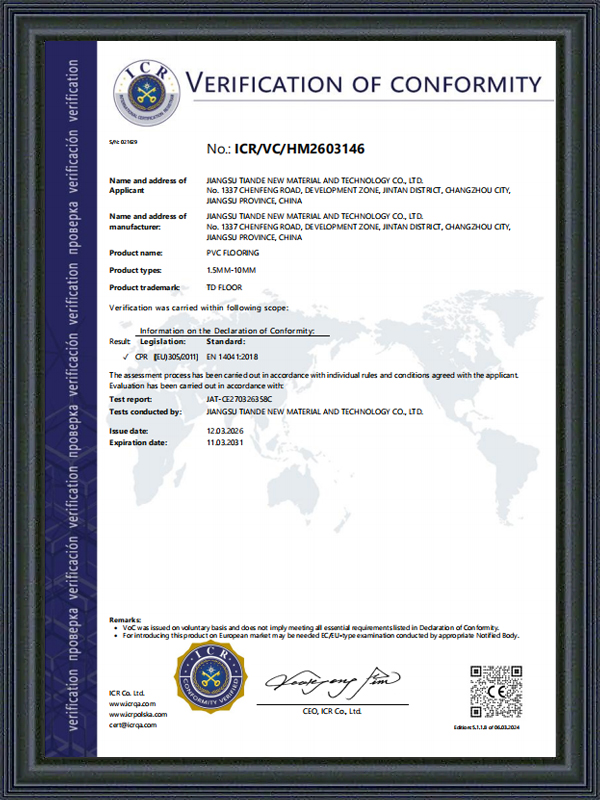
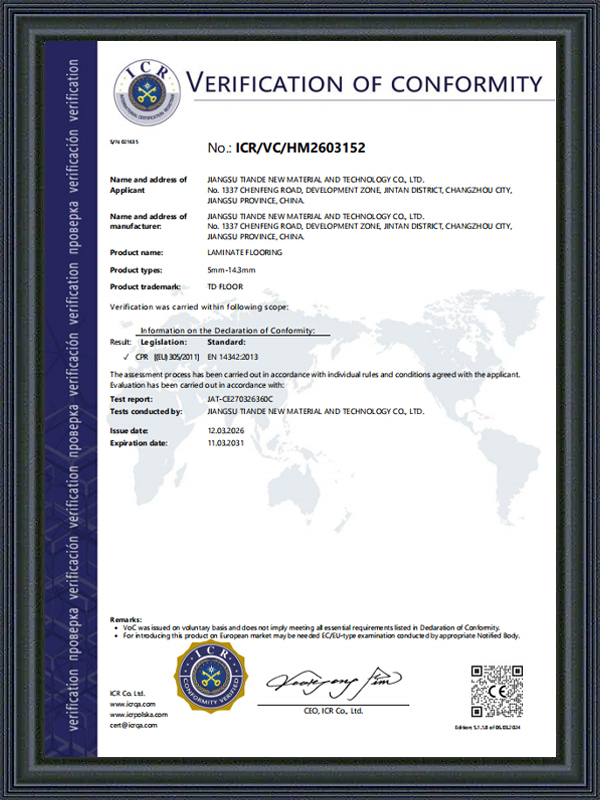
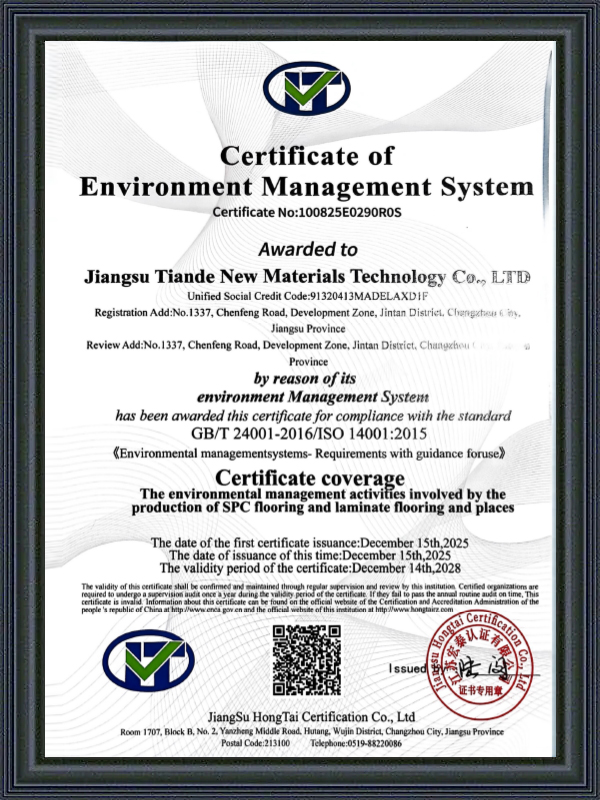
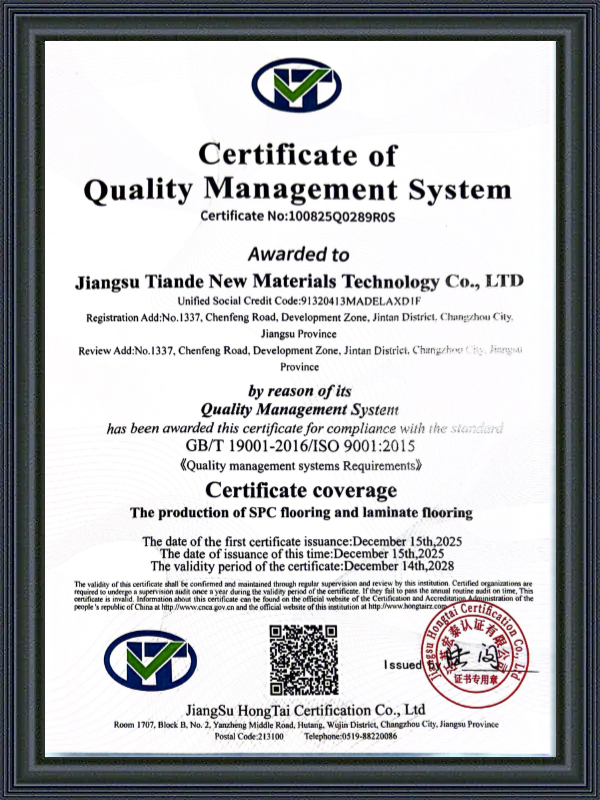
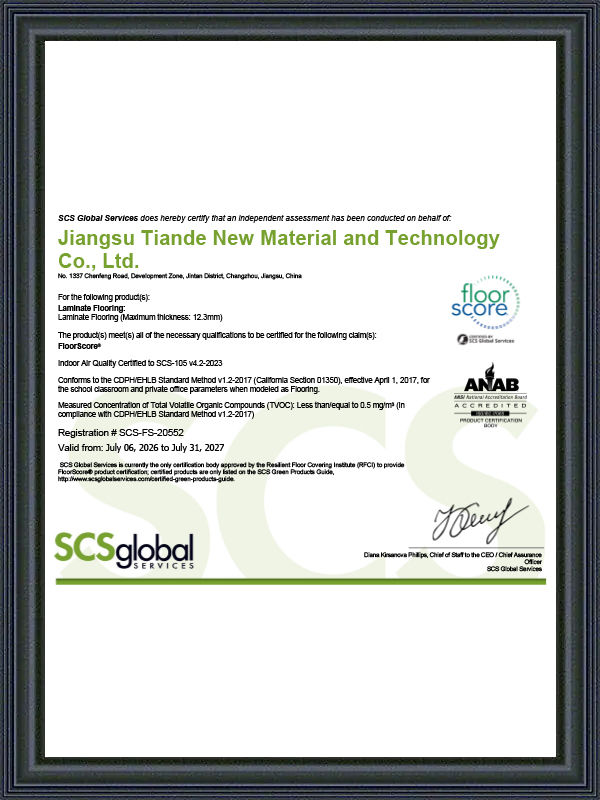
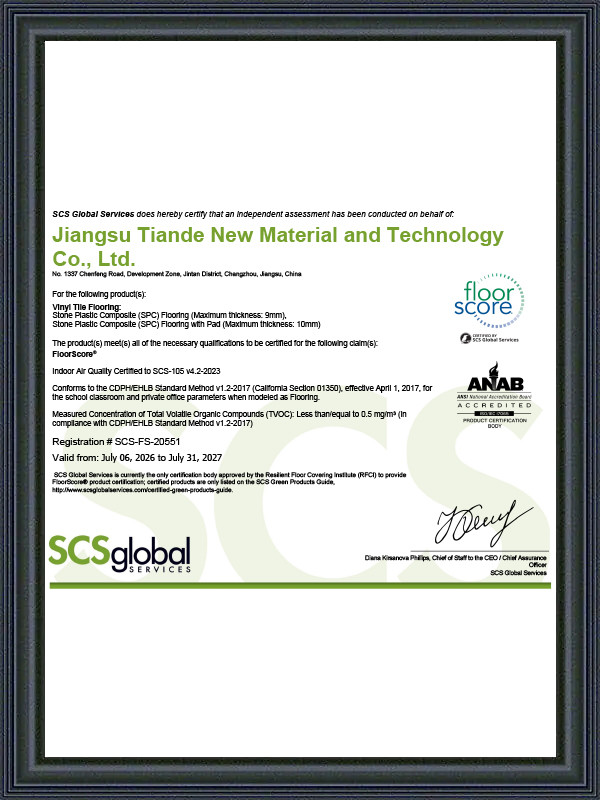
Certified Quality
The healthy choice in flooring
The healthy choice in flooring


Committed to green and sustainable development, we use high-tech eco-friendly materials to replace natural wood and actively contribute to protecting forest resources and creating a healthier living environment.
Certificate Of Honor
News
-
-
Walk into any flooring showroom and you will hear "PVC," "vinyl," and "SPC" used almost interchangeably. For a buyer comparing quotes or reading a spec sheet, this ambiguity can be costly. A flooring product labeled "PVC wear layer" may not behave the same as one labeled "SPC rigid core," yet both sit on th...
Read More -
Why Kitchens Demand a Different Approach to Flooring A kitchen floor works harder than almost any other surface in a home. It absorbs dropped pans, splashed oil, standing water near the sink, and constant foot traffic between the stove, counter, and refrigerator. Traditional flooring materials often struggle...
Read More
Industry Knowledge
What are the main advantages of PVC flooring over ceramic tiles and stone?
When selecting surface covering materials for high-traffic commercial environments and high-moisture residential areas, interior designers, architects, and facility managers frequently evaluate the trade-offs between traditional hard surfaces and modern synthetic alternatives. Historically, ceramic tiles and natural stone were considered the benchmark for longevity and moisture resistance. However, technological evolution in polymer manufacturing has established pvc flooring as a superior, high-performance alternative. Formulated from polyvinyl chloride combined with advanced composite materials, modern synthetic sheet and plank options provide exceptional structural resilience, water resistance, and simplified upkeep. Unlike brittle hard ceramic tiles or porous natural stone, resilient floor coverings offer an optimized balance of ergonomic comfort, impact absorption, and economic viability. pvc flooring brings the realistic visual beauty of natural timber and stone through high-definition print layers while circumventing the installation complexity, structural weight, and cold tactile performance associated with traditional masonry products.
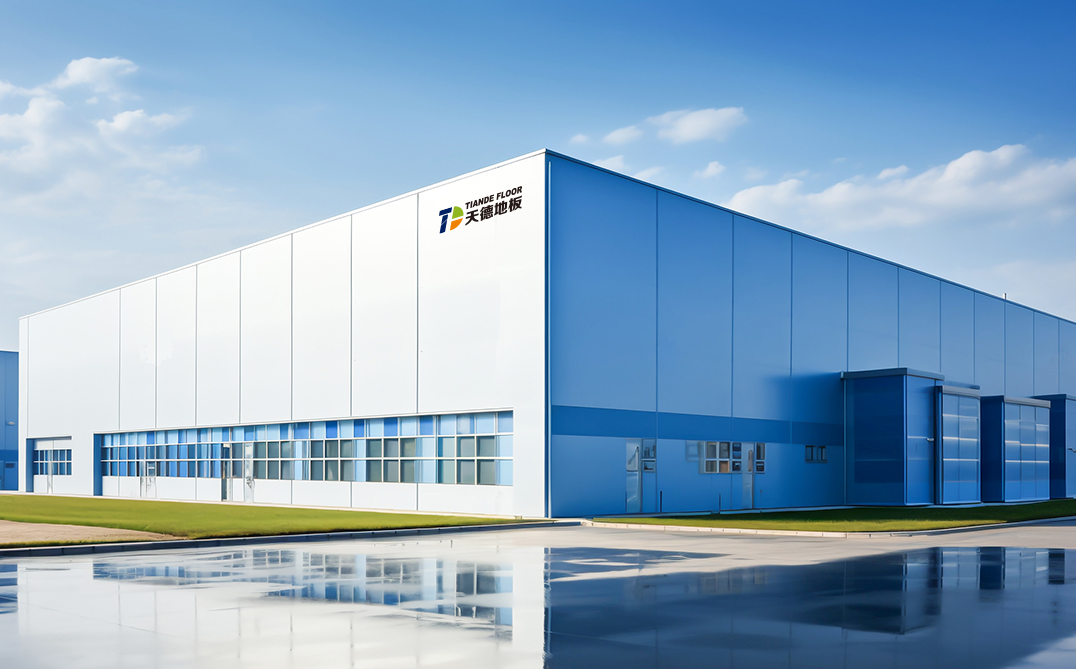
At Jiangsu Tiande New Material and Technology Co., Ltd., we specialize in advanced rigid-core and multi-layer vinyl manufacturing engineered for global commercial and residential applications. Operating a state-of-the-art production facility covering 46,000 square meters, our engineering teams integrate automated compounding and precision extrusion lines to manufacture dimensionally stable floor systems. Supported by over 20 years of production and international sales experience, our technical specialists ensure that each flooring iteration delivers superior dynamic load capacity and total imperviousness to surface moisture compared to traditional ceramic and stone assemblies.
Product Categorization and Technological Performance
To address distinct architectural requirements, structural load limits, and foot-traffic intensities, vinyl flooring is categorized into specific structural sub-classifications. Understanding these differences allows project planners to select the ideal surface solution for wet areas, commercial spaces, and rapid renovation schedules.
1. Heavy-Duty Commercial Rigid Core and Homogeneous Solutions
Commercial vinyl systems, including stone plastic composite (SPC) planks and dense homogeneous rolls, are engineered specifically for demanding, high-traffic commercial environments such as healthcare institutions, educational facilities, corporate offices, and retail complexes. These products feature an ultra-dense mineral-reinforced core or a uniform throughput composition that provides high dynamic load resistance, preventing static indentation caused by heavy hospital beds, display fixtures, and rolling equipment.
Unlike rigid ceramic tiles, which are highly susceptible to cracking under focused point impacts or structural building settling, commercial pvc flooring exhibits elastic resilience. The polyurethane reinforcement layer (PUR) applied to the surface acts as an impenetrable shield against scuffs, chemical reagents, and disinfectant solutions. Jiangsu Tiande New Material and Technology Co., Ltd. delivers commercial-grade core materials designed to meet demanding global fire safety standards and wear-resistance classifications, offering facility managers a lower total cost of ownership over decades of operation.
2. Waterproof Sheet Solutions for Moisture-Intensive Spaces
Continuous rolled vinyl sheets engineered for residential and commercial wet areas offer seamless surface coverage that completely eliminates grout lines. Traditional ceramic tile installations rely heavily on cementitious grout, which is naturally porous, prone to staining, and susceptible to mold proliferation, cracking, and water infiltration over time. Continuous sheet surfaces create a continuous, non-porous moisture barrier across the floor plane.
In residential bathrooms, multi-family housing projects, and public washrooms, installing specialized pvc flooring sheets for bathroom applications prevents water leakage into subfloor structures. These flexible sheets feature slip-retardant surface embossing, significantly enhancing traction under wet conditions compared to polished stone or wet ceramic tiles. The seamless heat-welded joints create an airtight and watertight bond that maintains hygiene standards without requiring aggressive chemical bleaching.
3. Flexible Loose-Lay and Self-Adhesive Planks
Flexible luxury vinyl planks, including loose-lay and self-adhesive formats, are tailored for rapid deployment, subfloor-preserving installations, and modular renovations. Featuring high-density backing layers that utilize friction-grip patterns or pressure-sensitive adhesive technology, these flexible plank systems can be laid directly over clean existing surfaces without requiring mortar preparation or extensive demolition work.
When installing pvc vinyl flooring sheets or loose-lay planks, contractors achieve significant labor savings compared to traditional tile setting. Ceramic and stone installations demand messy thin-set mortars, tile spacers, mechanical cutting tools, and extended curing times. In contrast, modular vinyl solutions enable immediate foot traffic upon installation, allowing commercial operations and residential occupants to avoid costly downtime.
Comparative Analysis: PVC Flooring vs. Traditional Hard Surfaces
To provide a comprehensive overview of the technical and operational differences between modern vinyl floor coverings and traditional hard surfaces, the following matrix compares key performance metrics relevant to architectural specifications and long-term facility management.
| Performance Metric | Commercial PVC Flooring | Ceramic Tile | Natural Stone |
| Impact Resistance | High elasticity absorbs impact; prevents cracking and chipping | Brittle; subject to cracking when heavy objects drop | Variable; susceptible to surface chipping and hairline fractures |
| Installation Speed & Method | Rapid click, loose-lay, or adhesive; minimal downtime | Slow; requires wet mortar setting, grouting, and cure time | Labor-intensive; requires specialized stone cutting and heavy mortar |
| Moisture & Grout Maintenance | 100% waterproof surface; seamless thermal welding available | Tiles are waterproof, but porous grout line seals degrade over time | Requires regular sealing due to natural porous absorption channels |
| Thermal Comfort & Acoustics | Warm underfoot; high acoustic dampening (up to 19-21 dB drop) | Cold surface temperature; highly reflective acoustic echo | Extremely cold underfoot; zero impact noise absorption |
| Areal Structural Weight | Lightweight (approx. 3-8 kg/m²); reduces dead building loads | Heavy (approx. 15-25 kg/m²); requires sturdy subfloor structures | Very heavy (approx. 30-60 kg/m²); requires structural slab reinforcement |
Key Architectural and Performance Advantages
Beyond basic material definitions, modern high-performance polymer flooring delivers systemic operational benefits across its lifecycle. The following points summarize the primary performance advantages that prompt modern builders to replace ceramic tile and stone specifications with advanced vinyl solutions:
- Superior Impact Resilience: The flexible molecular structure of vinyl dampens shock, preventing structural micro-cracks when objects fall, which would otherwise shatter ceramic tiles or chip marble surfaces.
- Thermal and Ergonomic Comfort: Synthetic polymers maintain room temperature equilibrium, offering a soft, warm surface underfoot that reduces body fatigue in environments where staff stand for extended periods.
- Acoustic Noise Reduction: Integrated underlayment linings absorb footsteps and ambient impact sound, making vinyl significantly quieter than hard, reflective stone surfaces.
- Hassle-Free Maintenance: Eliminating porous grout lines prevents dirt accumulation and bacterial growth, requiring only basic neutral cleaning solutions for hygiene upkeep.
- Substantial Weight Savings: Lower areal weight significantly minimizes dead loads in multi-story architecture, reducing overall structural engineering costs.
Leveraging advanced manufacturing techniques, Jiangsu Tiande New Material and Technology Co., Ltd. integrates environmental responsibility into every stage of production. By using eco-friendly plasticizers and recyclable polymer formulations, our manufacturing facility supports sustainable building certifications while lowering long-term maintenance costs for global partners.
Step-by-Step Implementation and Surface Preparation
Achieving optimal longevity and flawless visual presentation with resilient vinyl flooring requires structured execution during subfloor preparation and panel deployment. Project managers should ensure the following sequential steps are executed during installation:
- Subfloor Moisture and Flatness Inspection: Verify that the concrete substrate is clean, structurally sound, and compliant with flatness tolerances (typically within 3mm over a 2-meter radius).
- Material Acclimatization: Store the flooring planks or continuous roll goods flat inside the target installation area for at least 24 to 48 hours to equalize ambient temperature and humidity levels.
- Precision Subfloor Priming and Self-Leveling: Apply suitable primers and cementitious self-leveling compounds to eliminate subfloor imperfections, ensuring a smooth, seamless base layer.
- Layout Planning and Centerline Marking: Establish reference lines across the room plane to maintain balanced perimeter cuts and optimize visual alignment with structural walls.
- Systemic Installation and Thermal Welding: Lay planks using click-lock or loose-lay adhesive methods, or unroll continuous sheet goods and thermally weld seams to create a 100% watertight seal.
By implementing these standardized procedures, installation teams eliminate substrate telegraphing and ensure that the installed pvc flooring system delivers decades of uncompromising service life in demanding environments.
Frequently Asked Questions
Q1: Why is PVC flooring considered more durable than ceramic tiles under heavy impact?
Ceramic tiles are rigid and brittle, making them prone to cracking or shattering when hit by heavy dropped objects. In contrast, vinyl floors possess elastic polymer properties that absorb dynamic impact forces, preventing surface fractures and maintaining structural integrity in high-traffic settings.
Q2: How does the total installed cost of commercial PVC flooring compare to natural stone?
While raw material costs vary, the total installed cost of synthetic vinyl systems is significantly lower than natural stone. Vinyl requires less subfloor modification, avoids expensive wet-masonry labor, installs much faster, and incurs minimal maintenance expenses over its service life.

Reliable Flooring Manufacturing
Professional SPC & Laminate Flooring Manufacturer
- Product Categories
- Address: 1337 Chenfeng Road, Economic Development Zone, Jintan District, Changzhou City, Jiangsu Province, China
- E-mail: info@tdfloor.com
-
Tel: +86-18351221480 (WhatsApp)
+86-519-82827168
Copyright ©
Jiangsu Tiande New Material And Technology Co.,Ltd. All Rights Reserved.
Custom PVC Flooring Sheets For Bathroom Factory

