SPC Wall Cladding Suppliers
Floors in commercial high-traffic areas face a relentless daily routine: thousands of foot passes, ...
Read More


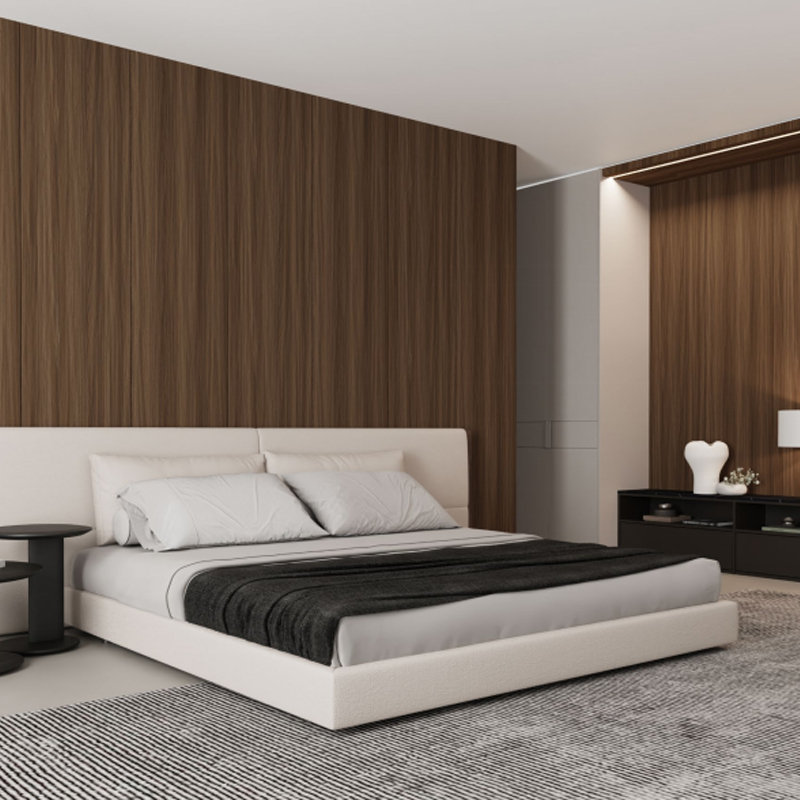
The SPC wall panel is made of SPC material, with high density and easy installation. This product has been popular lately in the fast-installation renovation market. SPC wall panel is waterproof, fire-retardant, formaldehyde-free, and dent-proof.


Committed to green and sustainable development, we use high-tech eco-friendly materials to replace natural wood and actively contribute to protecting forest resources and creating a healthier living environment.
Floors in commercial high-traffic areas face a relentless daily routine: thousands of foot passes, ...
Read MoreWalk into any flooring showroom and you will hear "PVC," "vinyl," and "SPC" used almost interchang...
Read MoreWhy Kitchens Demand a Different Approach to Flooring A kitchen floor works harder than almost any o...
Read MoreThe interior renovation market has witnessed a major shift toward high-performance, rapid-installation wall covering solutions. Among these innovations, the spc wall panel has emerged as a top choice for architects, contractors, and homeowners. Manufactured from a stone plastic composite core, this material combines natural limestone powder and polyvinyl chloride stabilizers to form an ultra-dense, stable board. As demand grows for fast-installation renovation solutions, understanding the detailed benefits and limitations of this surface material helps buyers make well-informed architectural decisions.
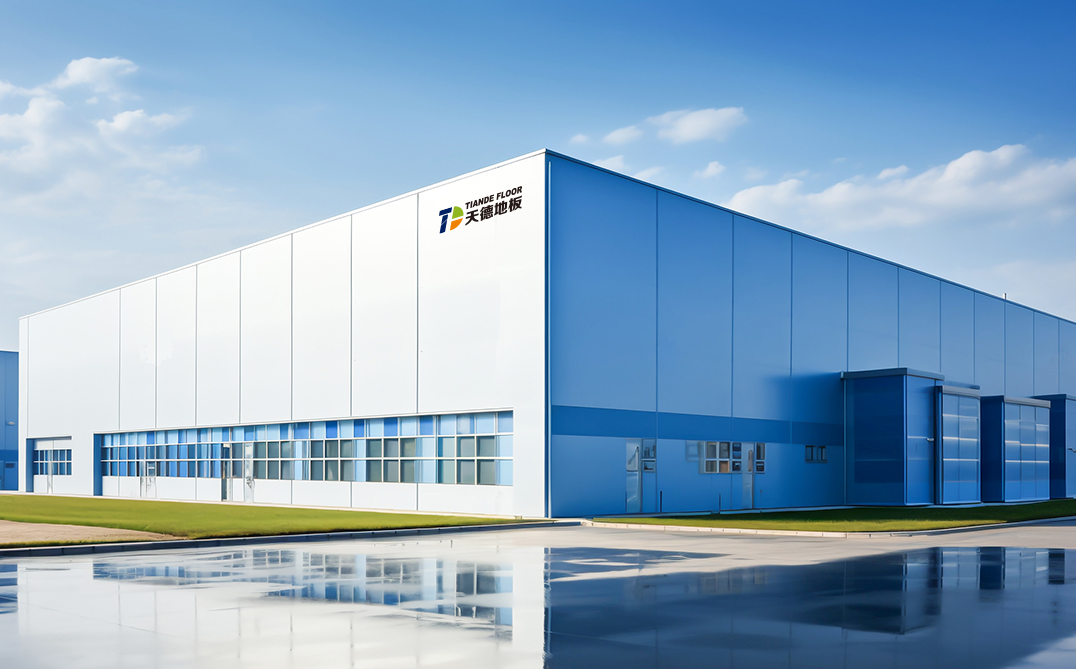
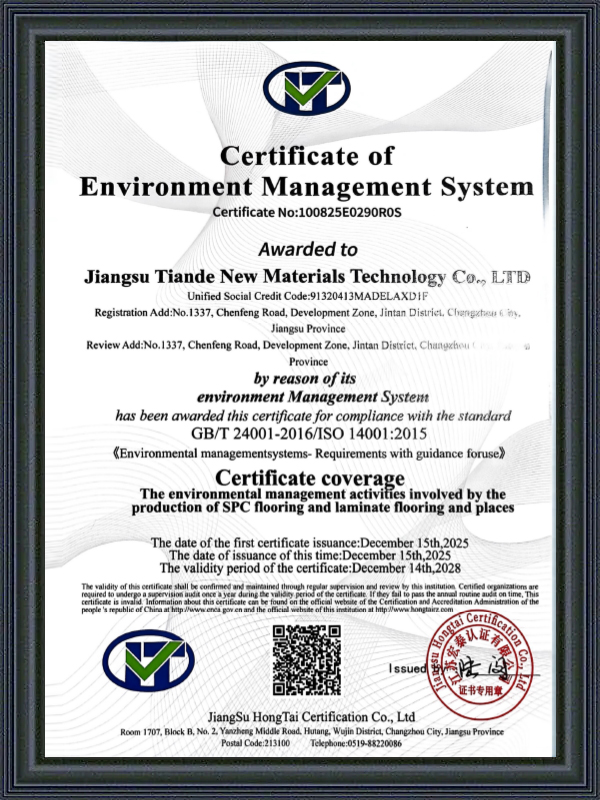
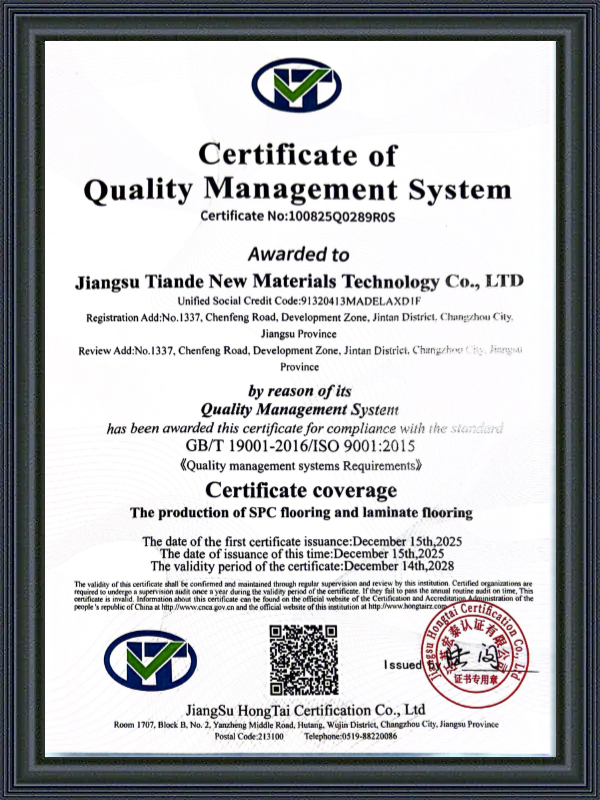
Jiangsu Tiande New Material and Technology Co., Ltd. specializes in the manufacturing of SPC flooring and laminate flooring for global markets, extending advanced manufacturing expertise to high-grade wall paneling solutions. The company operates a modern manufacturing facility covering 46,000 square meters, supported by automated production equipment and an experienced professional team. Our team brings over 20 years of experience in flooring production and international sales, ensuring stable quality, efficient production, and reliable global supply. By evaluating technical parameters alongside practical performance, this article provides a complete breakdown of the pros and cons of stone plastic composite wall panels across various application environments.
To evaluate whether this material fits your architectural project, it is essential to analyze its structural properties. The rigid core design provides exceptional dimensional stability under temperature fluctuations, making it superior to traditional flexible vinyl or timber paneling. The table below highlights the key advantages and drawbacks observed in modern construction projects.
Advantages of SPC wall boards:
Disadvantages of SPC wall boards:
Standard decorative paneling is engineered primarily for dry indoor living spaces, including bedrooms, living rooms, hallways, and office accent walls. Positioned as a direct replacement for traditional wallpaper, paint, and timber wainscoting, this series focuses on delivering authentic marble, wood grain, and textile visual textures. The core structure features a high-density composite base topped with a decorative film layer and a protective ultraviolet wear layer. These easy install spc wall panel sheets significantly cut down installation labor, allowing contractors to complete entire room renovations within hours rather than days.
The primary technical feature of this category is its superior dent resistance and dimensional stability. Unlike traditional drywall or wood veneer, which chips or scratches easily upon impact, high-density composite panels absorb mechanical force without cracking. In residential environments, this durability eliminates frequent wall repainting or surface patch repairs. Furthermore, because the production process eliminates hazardous resins, the panels release zero formaldehyde, allowing immediate room occupancy following installation.
To support large-scale residential projects, Jiangsu Tiande New Material and Technology Co., Ltd. provides precision-engineered interlocking systems that guarantee tight seam integration. Supported by 20 years of manufacturing experience, the facility delivers strict color batch consistency and pattern fidelity across bulk shipments. By eliminating messy wet plastering and paint fumes, decorative composite paneling delivers an efficient, clean, and durable wall finishing system.
Designed specifically for spaces exposed to extreme moisture, humidity, and direct water contact, waterproof wet area panels serve as an advanced alternative to traditional ceramic wall tiles. This product line is heavily utilized in residential bathrooms, shower enclosures, commercial restrooms, and spa facilities. Conventional ceramic tiling requires extensive surface preparation, cement backer board installation, grouting, and lengthy drying cycles. Modern spc wall panels for bathrooms & showers streamline this entire procedure, mounting directly over existing tiles or plasterboard using specialized waterproof adhesive compounds.
The core functional benefit lies in complete water impermeability and hygienic maintenance. Traditional tile grout lines frequently trap moisture, dirt, and soap residue, creating a prime environment for black mold and mildew cultivation. Smooth stone plastic composite surfaces eliminate grout joints altogether, offering an easy-to-clean surface that can be wiped dry effortlessly. Furthermore, the material exhibits excellent thermal insulation stability, preventing cold wall contact sensations during bathing.
Manufacturing these specialized wet-area systems demands stringent quality control over surface wear layers and tongue-and-groove tolerance. Jiangsu Tiande New Material and Technology Co., Ltd. leverages automated production lines to achieve precise edge profiling, ensuring water tight seal performance when combined with silicone sealant applications. The company is committed to providing high-quality, environmentally responsible flooring and wall products, while helping partners streamline procurement and improve market competitiveness through one-stop solutions.
Commercial cladding is specifically formulated for high-footprint, high-impact commercial environments such as hospital corridors, hotel lobbies, educational facilities, retail centers, and office buildings. Positioned as a long-term architectural surface solution, high-performance spc wall cladding combines maximum structural density with elevated fire-retardant safety ratings. Commercial interiors demand wall coverings capable of enduring continuous luggage impacts, wheel cart collisions, and frequent chemical sanitization without degrading visually or structurally.
From a technical perspective, heavy-duty commercial panels feature enhanced ultraviolet cured surface coatings paired with thickened anti-scratch protective layers. This structural configuration grants superior stain resistance against disinfectants, markers, and organic pollutants. Rated Class B1 fire-retardant, the material releases negligible smoke and resists flame spread, meeting stringent international building safety codes for public commercial construction.
As a comprehensive global supplier, Jiangsu Tiande New Material and Technology Co., Ltd. supports commercial clients by providing tailored panel dimensions, custom surface texture matching, and specialized trim accessories. The company operates a modern manufacturing facility covering 46,000 square meters, ensuring large volume order fulfillment on tight project deadlines while maintaining strict quality consistency.
To help project buyers evaluate key performance metrics across different application categories, the following technical comparison matrix outlines essential operational parameters:
| Performance Feature | Standard Decorative Panels | Wet Area Wall Panels | Commercial Heavy-Duty Cladding |
| Core Material Density | ~1.9 to 2.0 g/cm³ | ~2.0 to 2.1 g/cm³ | > 2.1 g/cm³ |
| Standard Thickness Range | 3.0mm - 4.0mm | 4.0mm - 5.0mm | 5.0mm - 6.0mm |
| Water Resistance Rating | 100% Waterproof | 100% Waterproof (Sealed Joints) | 100% Waterproof |
| Fire Safety Rating | Class B1 Fire-Retardant | Class B1 Fire-Retardant | Class B1 Fire-Retardant (Enhanced) |
| Scratch & Wear Layer | 0.1mm - 0.2mm UV Coating | 0.3mm UV Coating | 0.3mm - 0.5mm Commercial UV |
| Primary Application | Bedrooms, Offices, Living Rooms | Showers, Bathrooms, Kitchens | Hospitals, Hotels, Corridors |
Achieving a flawless wall finish with stone plastic composite sheets requires adhering to a structured installation workflow. The standard process outlined below demonstrates how simple installation cuts down labor time significantly:
The fundamental difference lies in core composition and structural rigidity. Standard PVC panels are hollow or lightweight cellular plastic sheets that are susceptible to flexing, denting, and thermal expansion under heat. In contrast, stone plastic composite panels feature a solid, ultra-dense core made from natural limestone powder and PVC stabilizers. This composition provides superior impact strength, dent resistance, fire retardancy, and dimensional stability.
Yes, these panels can be mounted directly over flat, existing ceramic tile surfaces without removing the old tile work. The substrate must be thoroughly degreased and dry prior to installation. Using a high-tack neutral silicone or polymer adhesive ensures a strong, durable bond over smooth tiled backings, making it an ideal fast-renovation option.
Absolutly. Quality composite wall panels are completely formaldehyde-free and contain no hazardous heavy metals or toxic plasticizers. They pass strict indoor air quality standards, ensuring no harmful volatile organic compound emissions during or after installation, making them safe for living spaces, schools, and healthcare facilities.
Maintenance is straightforward due to the non-porous UV treated surface layer. Daily cleaning requires wiping the surface with a soft damp cloth and mild neutral soapy water or non-abrasive household detergent. Because there are no porous grout lines to harbor dirt, bleach and harsh chemical scrubbing pads are completely unnecessary.


