Basic PE Foam Underlayment Suppliers
Floors in commercial high-traffic areas face a relentless daily routine: thousands of foot passes, ...
Read More


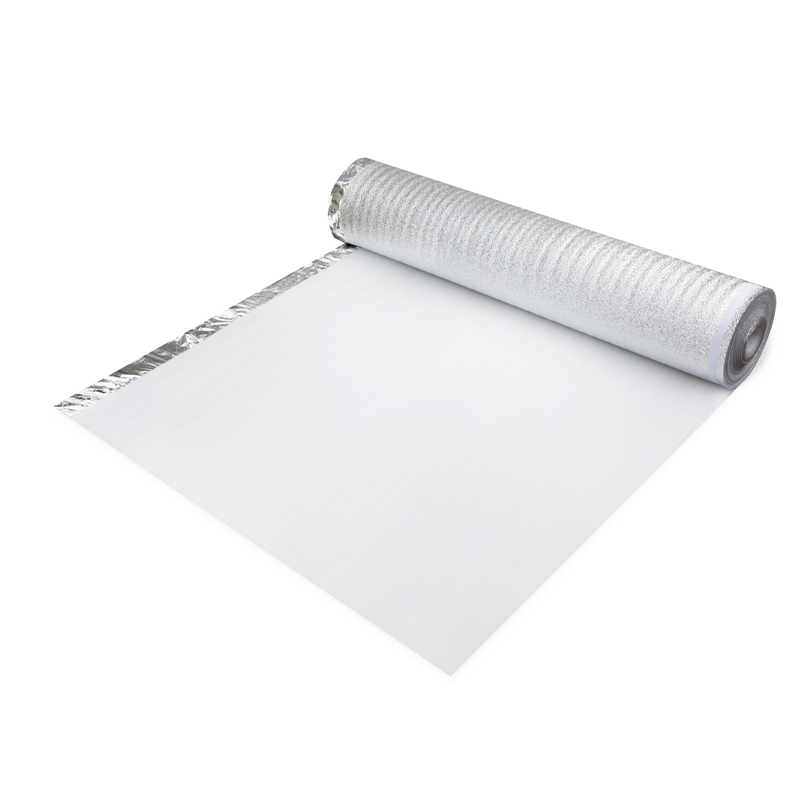
PE foam can prevent moisture between the underground and flooring. It is the most commonly used underlayment for all flooring products.


Committed to green and sustainable development, we use high-tech eco-friendly materials to replace natural wood and actively contribute to protecting forest resources and creating a healthier living environment.
Floors in commercial high-traffic areas face a relentless daily routine: thousands of foot passes, ...
Read MoreWalk into any flooring showroom and you will hear "PVC," "vinyl," and "SPC" used almost interchang...
Read MoreWhy Kitchens Demand a Different Approach to Flooring A kitchen floor works harder than almost any o...
Read MoreIn the world of modern flooring installation, the materials placed beneath the visible surface often determine the long-term performance and durability of the entire system. Among these, underlayment > basic PE foam has emerged as a fundamental solution for both residential and commercial projects. This article provides a detailed, professional examination of what PE foam is used for, focusing on its role as an underlayment, its technical characteristics, and the specific product categories that serve different flooring needs. We will explore how basic PE foam underlayment functions as a critical barrier and cushioning layer, and why it remains the industry standard for moisture protection and acoustic insulation.
Polyethylene (PE) foam is a closed-cell, lightweight material known for its excellent moisture resistance, elasticity, and thermal insulation properties. In flooring applications, basic PE foam underlayment serves as the interface between the subfloor and the finished floor covering. Its primary function is to compensate for minor subfloor irregularities, reduce impact noise, and, most critically, prevent moisture from migrating upward from the concrete or wood subfloor. This moisture barrier capability is essential for protecting laminate, engineered wood, and SPC flooring from swelling, warping, or mold growth. Unlike open-cell foams, the closed-cell structure of PE foam ensures that water vapor cannot penetrate the material, making it the most commonly used underlayment for all flooring products, from luxury vinyl tiles to parquet.
The versatility of lightweight basic PE foam roll formats allows for rapid, full-surface coverage with minimal waste. These rolls are typically available in thicknesses ranging from 1mm to 5mm, with densities between 20 kg/m³ and 40 kg/m³, offering a balance between cushioning comfort and dimensional stability. For professional installers, the ease of handling and cutting basic PE foam rolls significantly reduces installation time compared to more rigid or fibrous underlayments. Jiangsu Tiande New Material and Technology Co., Ltd. has refined the production of these rolls to ensure consistent thickness and flatness, which are critical for preventing telegraphing of subfloor imperfections through the floating floor system.
Standard moisture-barrier PE foam underlayment is the most widely used category in the underlayment > basic PE foam family. It is designed for general-purpose use over concrete, plywood, or existing resilient flooring. This product is characterized by a uniform closed-cell structure with a density of approximately 30 kg/m³, providing a reliable vapor retarder while offering moderate impact sound reduction. Basic PE foam underlayment in this category is often supplied with an attached moisture-vapor barrier film, further enhancing its protective qualities. The core technical feature is its ability to maintain dimensional stability under varying humidity conditions, ensuring that the flooring above remains flat and secure.
The primary function of standard PE foam underlayment is to create a continuous, impermeable layer that blocks rising damp. Its closed-cell composition ensures that PE foam can prevent moisture between the underground and flooring, a critical requirement in basements and ground-floor installations. Additionally, this material provides a thermal break, reducing heat loss through the floor slab. The foam's resilience also helps to absorb minor impacts, improving walking comfort and reducing footfall noise. Jiangsu Tiande New Material and Technology Co., Ltd. manufactures this underlayment with precision extrusion technology, ensuring uniform cell distribution and consistent compressive strength across the entire roll.
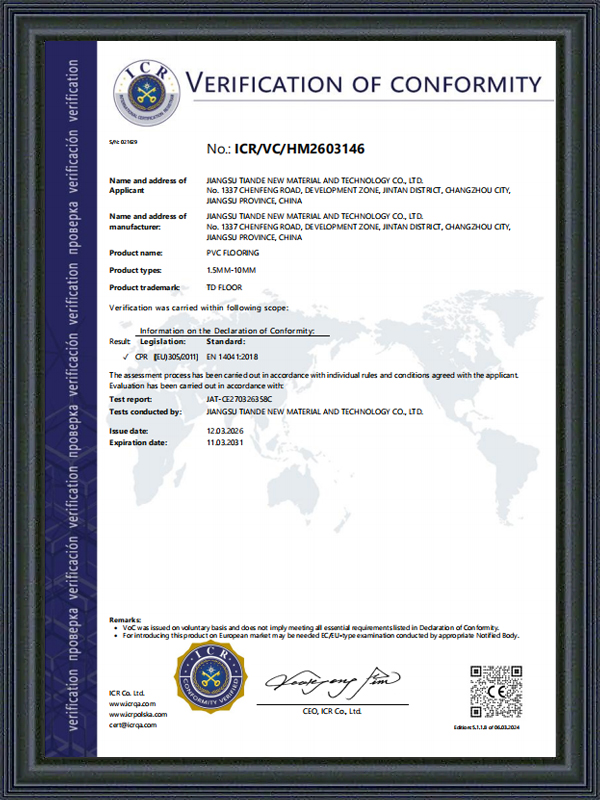
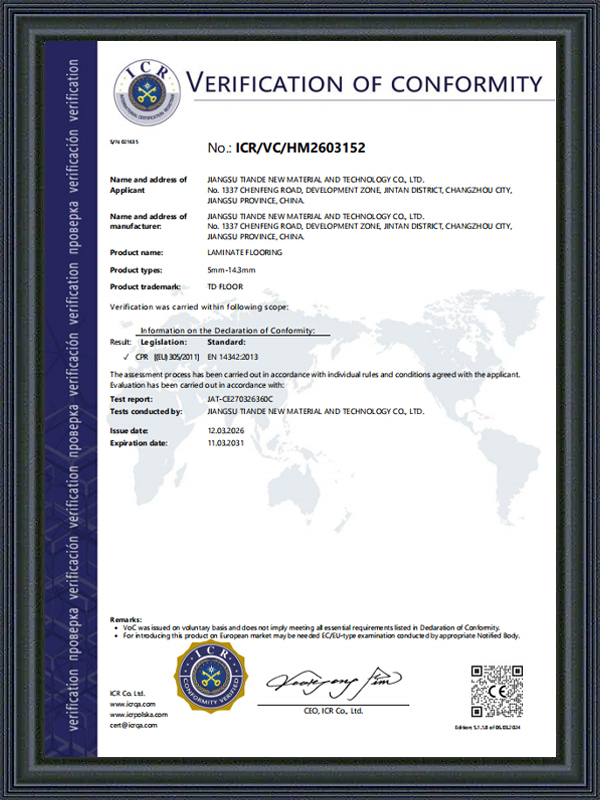
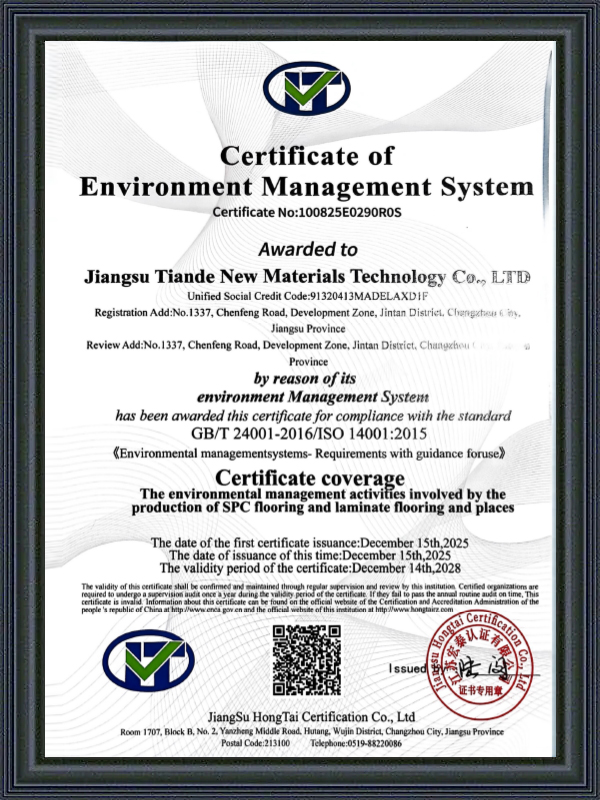
Compared to cork or rubber underlayments, standard PE foam offers superior moisture resistance at a lower cost. It is also lighter and easier to handle, making it ideal for DIY and large-scale professional installations alike. Lightweight basic PE foam roll formats reduce shipping costs and storage space requirements. Moreover, the material is chemically inert and does not emit volatile organic compounds (VOCs), supporting indoor air quality goals. Jiangsu Tiande New Material and Technology Co., Ltd. ensures that all its PE foam products meet strict environmental standards, aligning with green building certifications.
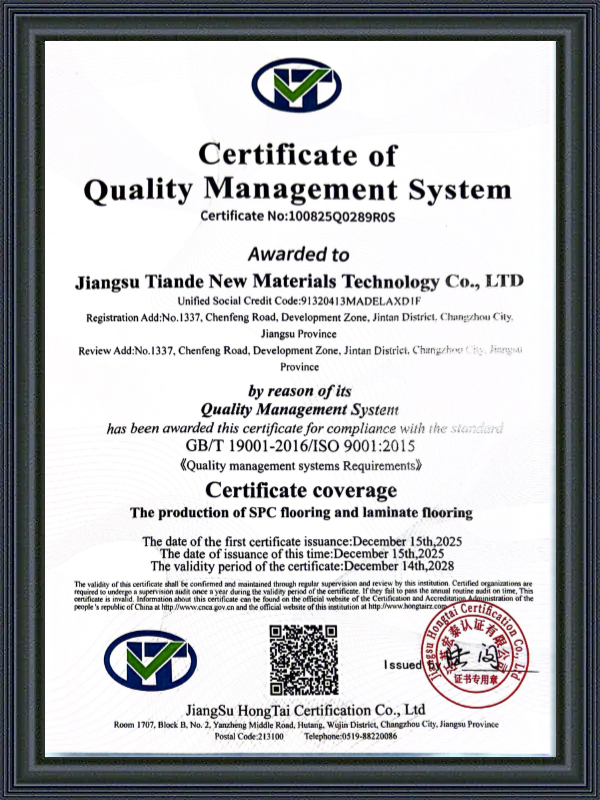
With over 20 years of experience, Jiangsu Tiande New Material and Technology Co., Ltd. operates a 46,000-square-meter facility equipped with automated production lines that consistently produce high-quality basic PE foam rolls. The company's quality control system monitors density, thickness, and tensile strength in real-time, guaranteeing that each roll meets the rigorous demands of international flooring projects. Their one-stop solutions also include customized cutting and packaging services, streamlining procurement for distributors and contractors.
Acoustic-enhanced PE foam underlayment is a specialized variant within the underlayment > basic PE foam segment, designed to meet higher sound transmission class (STC) and impact insulation class (IIC) requirements. This product incorporates a higher density foam core (typically 35–40 kg/m³) combined with a proprietary acoustic membrane or an additional layer of recycled fiber. The positioning of this category is for multi-story residential buildings, hotels, and commercial spaces where noise reduction is a priority. While retaining all the moisture-barrier properties of standard foam, this underlayment achieves superior sound dampening without compromising thickness or dimensional stability.
The technical innovation lies in the foam's dynamic stiffness, which is optimized to decouple the floor covering from the subfloor, reducing both airborne and structure-borne noise. Basic PE foam underlayment in this category is often tested to ASTM E2179 standards, with IIC ratings exceeding 70 when paired with appropriate flooring. The closed-cell structure continues to provide excellent moisture resistance, while the added acoustic layer manages impact energy more effectively. PE foam can prevent moisture between the underground and flooring even in high-humidity environments, such as kitchens or bathrooms, where acoustic comfort is equally important.
Compared to standard PE foam, the acoustic-enhanced version provides a 40–50% improvement in impact noise reduction while maintaining the same moisture protection. It is also thinner than mass-loaded vinyl or fiberboard alternatives, preserving floor-to-ceiling clearance. The lightweight nature of the lightweight basic PE foam roll format ensures that installation remains straightforward, even with the added acoustic layer. Jiangsu Tiande New Material and Technology Co., Ltd. offers this product with detailed acoustic performance data, enabling architects and specifiers to make informed decisions based on project requirements.
Leveraging its advanced manufacturing capabilities, Jiangsu Tiande New Material and Technology Co., Ltd. produces acoustic-enhanced PE foam underlayment that consistently meets international standards such as ISO 140-8 and ASTM E492. The company's R&D team works closely with flooring manufacturers to tailor foam densities and acoustic layers for specific floor types, ensuring optimal system performance. This collaborative approach, backed by a 46,000-square-meter factory, allows Tiande to deliver reliable, high-performance solutions for global projects.
High-density PE foam underlayment is the most robust category within the underlayment > basic PE foam portfolio, designed for commercial and industrial environments with heavy foot traffic, rolling loads, or high-point loads. This product features a density above 40 kg/m³ and a compressive strength of over 250 kPa, ensuring long-term resistance to indentation and creep. It is positioned for use in showrooms, airports, convention centers, and warehouses where durability and stability are paramount. Despite its higher density, the foam remains flexible and easy to install, thanks to the inherent flexibility of polyethylene.
The high-density structure provides exceptional load distribution, preventing the flooring above from cracking or delaminating under heavy furniture or rolling carts. Basic PE foam underlayment in this category also offers enhanced thermal insulation, reducing energy costs in large open spaces. Its moisture barrier properties remain intact, with water absorption rates below 0.1% by volume, ensuring that PE foam can prevent moisture between the underground and flooring even in below-grade installations. Additionally, the material's high resistance to compression set ensures that the foam retains its thickness and cushioning over decades of use.
Compared to standard and acoustic-enhanced foams, high-density PE foam underlayment offers superior load-bearing capacity and longer service life under demanding conditions. It also provides better point-load deflection resistance, making it suitable for installations over uneven subfloors. The lightweight basic PE foam roll format is retained, ensuring that installation does not require specialized equipment, even for large-scale projects. Jiangsu Tiande New Material and Technology Co., Ltd. produces this grade with a unique cross-linking process that enhances its thermal and mechanical properties without increasing weight significantly.
With its extensive manufacturing experience, Jiangsu Tiande New Material and Technology Co., Ltd. has developed high-density PE foam underlayment that meets the performance requirements of heavy-duty commercial applications. The company's production facility utilizes state-of-the-art extrusion and lamination lines to ensure consistent density and thickness across large rolls. Tiande also provides technical support for site-specific load calculations, helping clients select the optimal thickness and density for their unique traffic conditions.
| Parameter | Standard Moisture-Barrier | Acoustic-Enhanced | High-Density Heavy-Duty |
| Density (kg/m³) | 28–32 | 35–40 | 42–50 |
| Compressive Strength (kPa) | 150–180 | 200–230 | 250–300 |
| IIC Rating (typical) | 60–65 | 70–75 | 65–68 |
| Moisture Vapor Transmission (perms) | ≤ 0.05 | ≤ 0.05 | ≤ 0.05 |
| Typical Thickness (mm) | 2–4 | 3–5 | 3–6 |
When choosing among basic PE foam rolls, installers and specifiers must evaluate the specific demands of each project. For residential applications with standard traffic, the standard moisture-barrier grade provides a cost-effective solution. For multi-story buildings, the acoustic-enhanced version adds significant value by improving occupant comfort. In commercial or industrial settings, the high-density grade ensures long-term durability under heavy loads. Regardless of the category, all underlayment > basic PE foam products offer the essential moisture protection that PE foam can prevent moisture between the underground and flooring, safeguarding the investment in premium floor coverings. Jiangsu Tiande New Material and Technology Co., Ltd. supports all three categories with consistent quality, technical documentation, and global supply chain reliability, making them a trusted partner for flooring professionals worldwide.
The primary difference lies in density and acoustic performance. Acoustic-enhanced basic PE foam has a higher density (35–40 kg/m³) and incorporates additional layers or membranes that improve impact sound reduction (IIC ratings of 70+), while standard underlayment (28–32 kg/m³) focuses on basic moisture protection and light cushioning. Both products provide excellent moisture barrier properties, but acoustic-enhanced versions are specifically designed for multi-story buildings requiring stricter noise control.
Yes, basic PE foam underlayment is compatible with radiant heating systems. Its closed-cell structure provides a stable thermal barrier that does not degrade at temperatures up to 60°C. However, it is essential to choose a product with appropriate thickness (≤ 3mm) to ensure efficient heat transfer. Jiangsu Tiande New Material and Technology Co., Ltd. offers specific recommendations for underlayment selection in heated floor applications.
PE foam provides a continuous, seamless vapor retarder that outperforms polyethylene sheets or bitumen papers in terms of puncture resistance and adaptability to subfloor irregularities. Unlike loose-laid plastic films, basic PE foam underlayment adheres closely to the subfloor, reducing the risk of moisture bypass. Additionally, its cushioning properties offer dual functionality as both a moisture barrier and a comfort layer, making it more efficient than single-purpose vapor barriers.
When stored in a cool, dry environment away from direct sunlight and sharp objects, basic PE foam roll products maintain their performance characteristics for up to 24 months. The material should be stored off the ground on pallets and protected from extreme temperatures. Jiangsu Tiande New Material and Technology Co., Ltd. ensures that all rolls are packaged with UV-resistant covers to preserve foam integrity during shipping and temporary on-site storage.


