

 English
 What Are the Main Benefits of SPC Vinyl Flooring?

What Are the Main Benefits of SPC Vinyl Flooring?
Author: Admin
Date: Aug 11,2026
Content
- 1 Understanding SPC Vinyl Flooring in Modern Homes
- 2 Waterproof Performance That Withstands Daily Spills
- 3 Wear Resistance and Long-Term Durability
- 4 Straightforward Installation for Residential Projects
- 5 How SPC Compares Across Key Residential Priorities
- 6 Cost, Maintenance, and Lifecycle Considerations
- 7 Where SPC Flooring Fits Best in a Home
- 8 Frequently Asked Questions
- 8.0.1 Q1: Is SPC vinyl flooring suitable for bathrooms and basements?
- 8.0.2 Q2: Does SPC flooring require an underlayment before installation?
- 8.0.3 Q3: How long does a rigid core composite floor typically last?
- 8.0.4 Q4: Can this flooring be installed over existing tile or old flooring?
- 8.0.5 Q5: How does maintenance compare to hardwood or ceramic tile?
- 8.0.6 Q6: Is professional installation necessary?
Understanding SPC Vinyl Flooring in Modern Homes
Homeowners replacing worn-out floors are increasingly comparing rigid core options against traditional laminate, hardwood, and ceramic tile. Among these, SPC Vinyl Flooring has moved from a niche commercial material into a mainstream residential choice. The reason is straightforward: its limestone-based rigid core delivers dimensional stability that softer vinyl products cannot match, while the multilayer construction resists moisture, dents, and daily foot traffic without demanding constant upkeep.
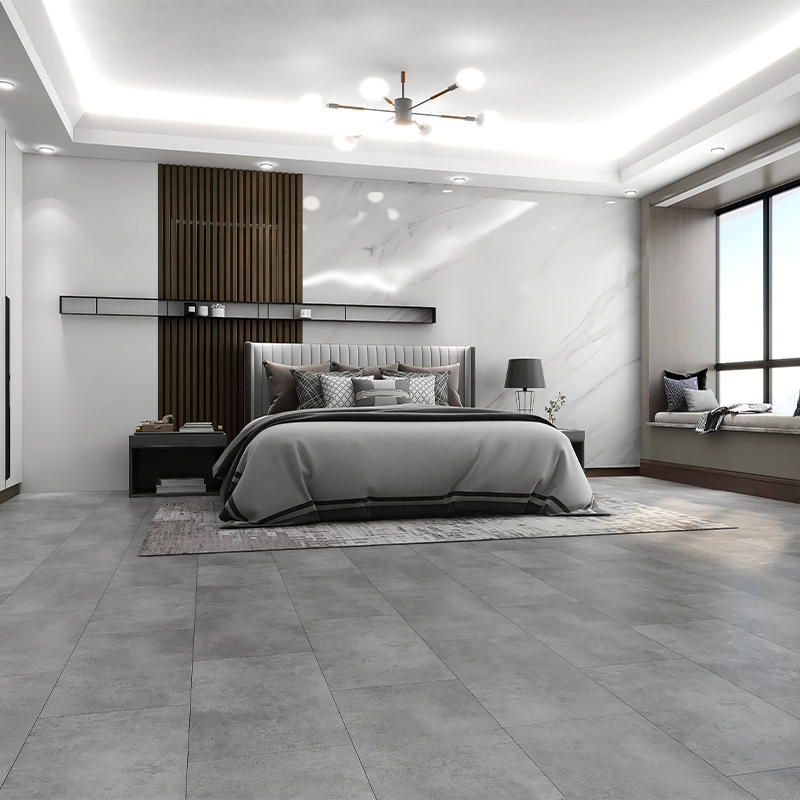
Unlike traditional plywood-core vinyl planks, the stone plastic composite structure of SPC Laminate Flooring combines calcium carbonate powder with polyvinyl chloride resin under high pressure. The resulting core is dense, rigid, and largely unaffected by temperature swings, which is why it performs reliably in kitchens, bathrooms, entryways, and below-grade rooms where conventional laminate or engineered wood would eventually swell or delaminate.
Rigid Core Technology Multilayer Construction Residential and Light Commercial Use
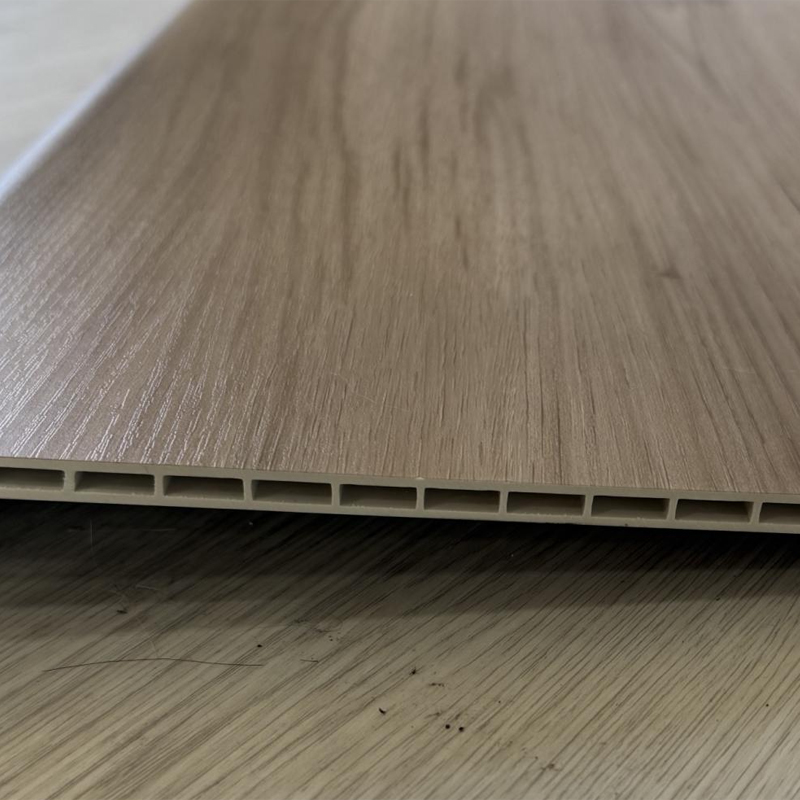
Before evaluating specific advantages, it helps to look at how the product is actually built. A typical plank includes a UV-cured wear layer, a printed decorative film, the SPC rigid core, and an attached underlayment pad. Each layer plays a defined role, and understanding this structure clarifies why the flooring performs the way it does in real households rather than only in laboratory tests.
Waterproof Performance That Withstands Daily Spills
Water damage remains one of the most common reasons homeowners replace flooring prematurely. Traditional laminate and engineered hardwood rely on wood fiber or wood veneer, both of which absorb moisture at the seams over time, causing swelling, peaking, or discoloration. A stone-based core behaves differently because calcium carbonate does not swell when exposed to moisture, and the tightly locked click joints prevent water from seeping beneath the surface.
Independent absorption testing across common flooring categories illustrates the gap clearly. In controlled 24-hour submersion tests, rigid core composite planks typically show negligible dimensional change, while wood-based products can expand measurably along plank edges. The chart below summarizes representative absorption behavior across four flooring categories.
This resistance to moisture is why SPC Waterproof Flooring is frequently recommended for laundry rooms, mudrooms, and basements, areas where humidity levels fluctuate and occasional standing water is unavoidable. Because the core itself does not require sealing or periodic waterproof coating, homeowners avoid the recurring maintenance schedule associated with solid wood floors in similar rooms.
Wear Resistance and Long-Term Durability
Beyond moisture, the second major concern for any residential floor is surface wear from foot traffic, furniture movement, and pet claws. The wear layer, a transparent polyurethane-reinforced coating sitting above the printed design, determines how well the floor resists scratching and dulling over years of use. Thicker wear layers, typically ranging from 0.3mm to 0.7mm in residential-grade products, extend the visible lifespan of the surface pattern considerably.
Rather than degrading gradually like a soft vinyl sheet, a well-constructed rigid core plank tends to hold its surface integrity for a much longer stretch before wear becomes visible, then shows a more gradual decline. The line chart below compares a modeled wear index over a ten-year period for two common product categories under similar residential traffic conditions.
The gap widens noticeably in households with children, pets, or frequent furniture rearranging. Because the decorative layer sits beneath a dense protective coating rather than directly exposed, everyday abrasion has less immediate impact on how the floor looks. This is one reason installers frequently position rigid core composite flooring as a long-term investment rather than a short-cycle replacement material.
A wear layer thickness of at least 0.5mm is generally recommended for busy family living rooms, hallways, and kitchens where foot traffic is highest.
Straightforward Installation for Residential Projects
Installation complexity often determines whether a flooring upgrade becomes a weekend project or a multi-week renovation. Rigid core composite planks are engineered with precision click-lock edges that allow a floating installation over most existing subfloors, including concrete slabs, plywood, and in many cases old tile, without requiring adhesives, nails, or extensive subfloor removal.
The process generally follows a consistent sequence regardless of room size, which keeps labor time predictable and reduces the likelihood of costly mid-project surprises.
Because no bonding agents or curing time are involved, rooms are typically ready for foot traffic within hours of the final plank being locked into place, a marked contrast to tile grouting or hardwood finishing, both of which require extended drying periods before normal use resumes.
How SPC Compares Across Key Residential Priorities
When homeowners weigh flooring options, they are usually balancing five practical priorities: how well it resists water, how long it lasts under heavy use, how easy it is to install, how much upkeep it demands, and how comfortable it feels underfoot. Viewed side by side, rigid core composite flooring performs consistently well across all five categories rather than excelling narrowly in just one.
The most notable gap appears in the waterproof and low-maintenance categories, where rigid core products separate clearly from laminate and hardwood alternatives. Comfort underfoot scores slightly lower than carpet or cork, but the attached underlayment pad typically found on residential-grade planks narrows that gap considerably compared to hard tile or unpadded laminate.
Cost, Maintenance, and Lifecycle Considerations
Purchase price is only one part of the overall cost picture. A more useful comparison accounts for installation labor, expected replacement cycle, and ongoing maintenance requirements over a ten-year ownership period. The table below summarizes typical residential characteristics across four common flooring categories.
| Flooring Type | Typical Lifespan | Routine Maintenance | Moisture Tolerance |
|---|---|---|---|
| SPC Vinyl Flooring | 15 to 25 years | Sweep and damp mop | Fully waterproof |
| Laminate Flooring | 10 to 20 years | Dry mop, avoid excess water | Moisture sensitive |
| Engineered Hardwood | 20 to 30 years | Periodic refinishing | Limited tolerance |
| Ceramic Tile | 25 plus years | Grout sealing needed | Waterproof surface only |
Grout lines in ceramic tile require periodic resealing to remain stain resistant, and hardwood floors generally need sanding and refinishing every eight to ten years to maintain their surface appearance. Rigid core composite flooring, by comparison, requires no sealing, waxing, or refinishing across its service life, which meaningfully reduces the total maintenance burden for busy households.
No Sealing Required No Refinishing Cycle Simple Damp-Mop Care
Where SPC Flooring Fits Best in a Home
Not every room has identical demands, and matching flooring characteristics to room function produces better long-term results than choosing a single material for an entire house without consideration. Kitchens benefit from the waterproof core when spills occur near sinks or dishwashers. Bathrooms and laundry rooms gain the same protection against splashing and humidity. Basements, which are prone to slab moisture migration, are one of the few residential settings where solid hardwood is generally discouraged but rigid core composite flooring performs reliably.
Living rooms and bedrooms benefit primarily from the wear resistance and comfort underfoot provided by the attached underlayment, while high-traffic hallways and entryways rely more heavily on the protective wear layer to resist scuffing from shoes and dragged furniture. Considering these room-specific demands during planning helps homeowners avoid mismatched material choices that lead to premature wear in the areas that need durability most.
- Kitchens and dining areas exposed to frequent spills
- Bathrooms, laundry rooms, and mudrooms with elevated humidity
- Basements and below-grade rooms with slab moisture concerns
- Living rooms and bedrooms where comfort and quiet underfoot matter
- Entryways and hallways subject to concentrated foot traffic
Frequently Asked Questions
Q1: Is SPC vinyl flooring suitable for bathrooms and basements?
Yes. The rigid stone-based core does not absorb moisture or swell, which makes it appropriate for bathrooms, laundry rooms, and below-grade basement installations where humidity and occasional water exposure are common.
Q2: Does SPC flooring require an underlayment before installation?
Many residential planks include an attached underlayment pad, though an additional moisture barrier may still be recommended over concrete subfloors depending on site conditions and local installation guidance.
Q3: How long does a rigid core composite floor typically last?
With normal residential use and routine care, a well-installed floor commonly lasts between fifteen and twenty-five years before wear becomes visually noticeable enough to warrant replacement.
Q4: Can this flooring be installed over existing tile or old flooring?
In many cases, yes, provided the existing surface is flat, structurally sound, and clean. A floating click-lock installation reduces the need for full demolition compared to some other flooring types.
Q5: How does maintenance compare to hardwood or ceramic tile?
Maintenance is generally simpler, since the surface does not require periodic refinishing like hardwood or grout resealing like ceramic tile, and routine sweeping with occasional damp mopping is typically sufficient.
Q6: Is professional installation necessary?
Many homeowners install click-lock planks themselves, though professional installation is recommended for larger areas, complex room layouts, or when precise subfloor leveling is required.
Related Product

Reliable Flooring Manufacturing
Professional SPC & Laminate Flooring Manufacturer
- Product Categories
- Address: 1337 Chenfeng Road, Economic Development Zone, Jintan District, Changzhou City, Jiangsu Province, China
- E-mail: info@tdfloor.com
-
Tel: +86-18351221480 (WhatsApp)
+86-519-82827168
Copyright ©
Jiangsu Tiande New Material And Technology Co.,Ltd. All Rights Reserved.
Custom Commercial Grade Flooring Materials Suppliers

