Floors in commercial high-traffic areas face a relentless daily routine: thousands of foot passes, shopping carts rolling over joints, heavy shelving pressing into the surface, and constant spray-and-mop cleaning. Specifiers and facility managers need a floor that will not show dents, open seams, or prematur...
Read More

en

Get a Quote
Custom Wood Flooring Transition Accessories Manufacturers
Flooring accessories are the partners of flooring products. It is the necessary products to help the flooring finish against the wall, connect between rooms and spaces, cover flooring ends, and separate the wall from the flooring.
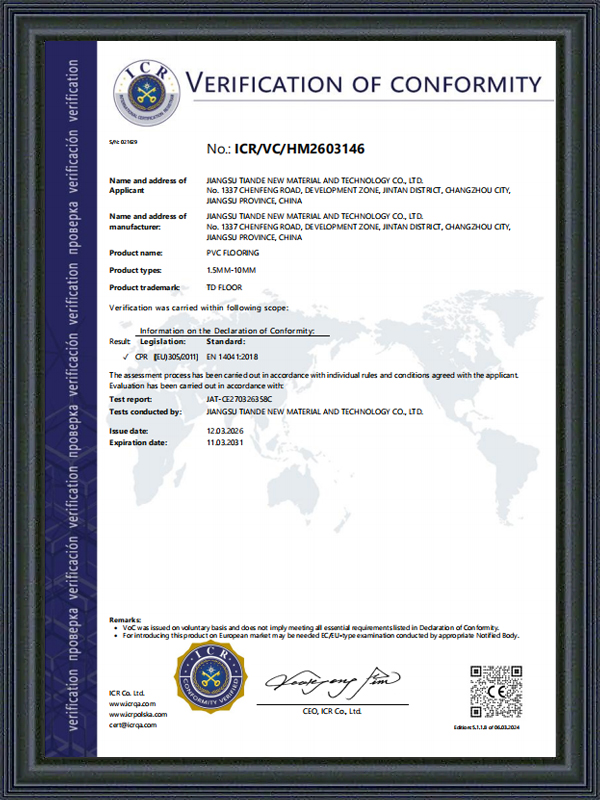
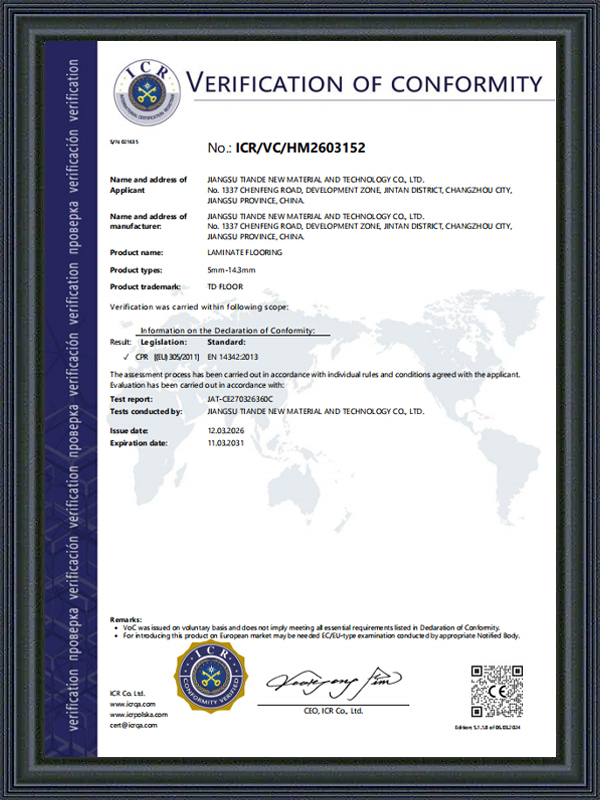
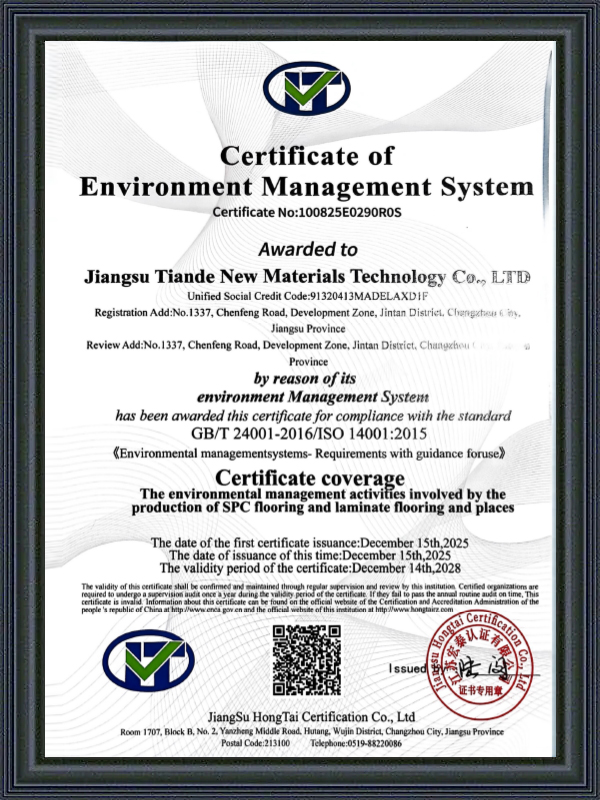
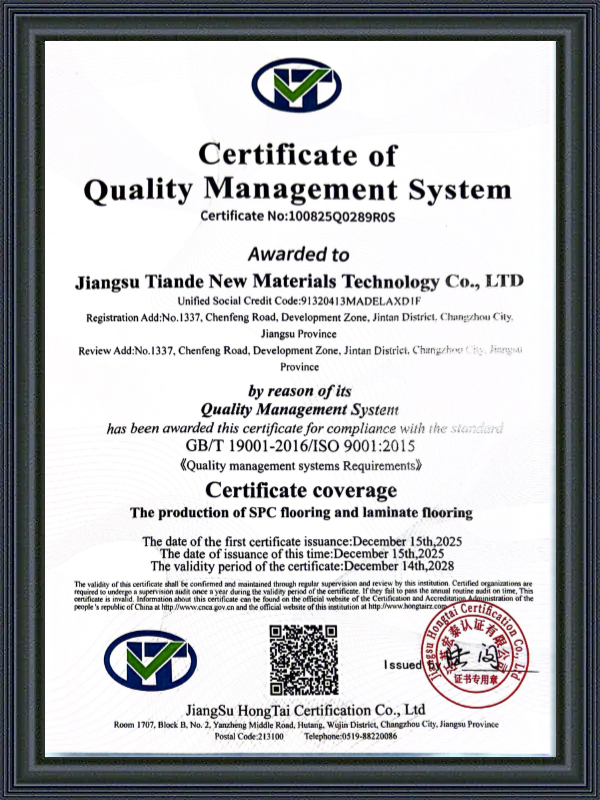
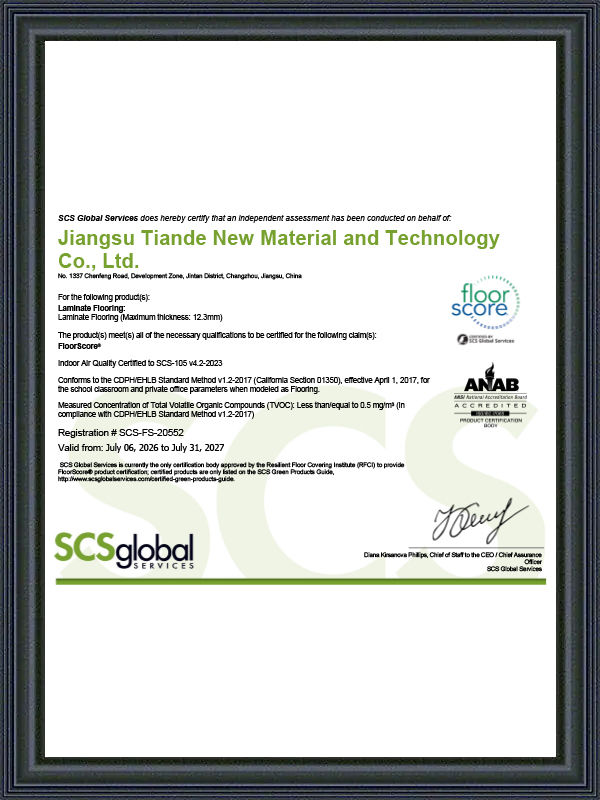
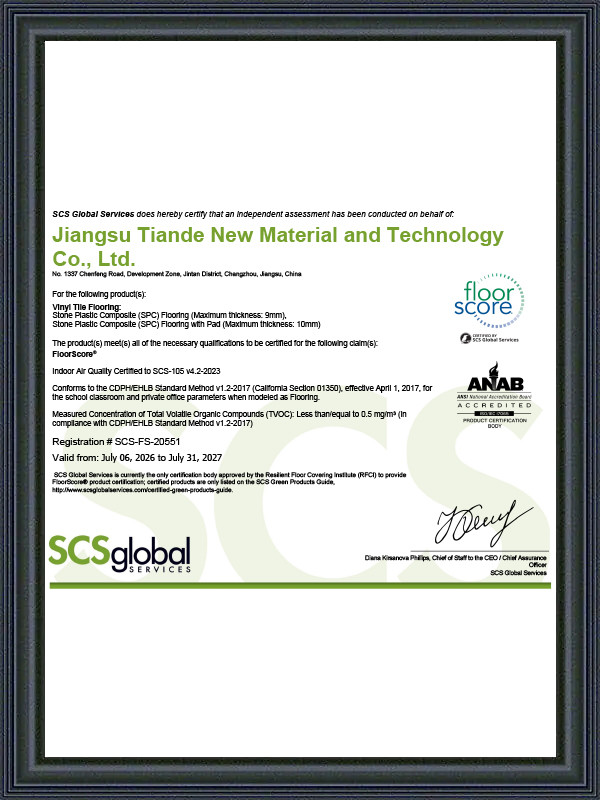
Certified Quality
The healthy choice in flooring
The healthy choice in flooring



Committed to green and sustainable development, we use high-tech eco-friendly materials to replace natural wood and actively contribute to protecting forest resources and creating a healthier living environment.
Certificate Of Honor
News
-
-
Walk into any flooring showroom and you will hear "PVC," "vinyl," and "SPC" used almost interchangeably. For a buyer comparing quotes or reading a spec sheet, this ambiguity can be costly. A flooring product labeled "PVC wear layer" may not behave the same as one labeled "SPC rigid core," yet both sit on th...
Read More -
Why Kitchens Demand a Different Approach to Flooring A kitchen floor works harder than almost any other surface in a home. It absorbs dropped pans, splashed oil, standing water near the sink, and constant foot traffic between the stove, counter, and refrigerator. Traditional flooring materials often struggle...
Read More
Industry Knowledge
What Are the Essential Flooring Accessories I Need for a Complete Installation?
A complete flooring installation goes far beyond laying planks or tiles. To achieve a professional, durable, and visually cohesive result, you need the right flooring accessories. These components are not optional embellishments; they are functional necessities that protect the floor, accommodate structural movement, and provide finished transitions between different spaces. As defined by industry practice, flooring accessories are the partners of flooring products. They are the necessary products to help the flooring finish against the wall, connect between rooms and spaces, cover flooring ends, and separate the wall from the flooring. Without them, even the highest-quality floor will look incomplete and may suffer from premature wear, moisture damage, or stability issues.
Choosing the correct flooring accessories requires understanding the specific demands of your subfloor, traffic patterns, and aesthetic goals. This article breaks down the essential accessory categories, their technical functions, and how they integrate into a complete flooring system. We will also explore how manufacturers like Jiangsu Tiande New Material and Technology Co., Ltd. engineer these components to ensure compatibility, longevity, and ease of installation—backed by over two decades of flooring production expertise.
1. Transition Strips and Moldings: Bridging Spaces and Materials
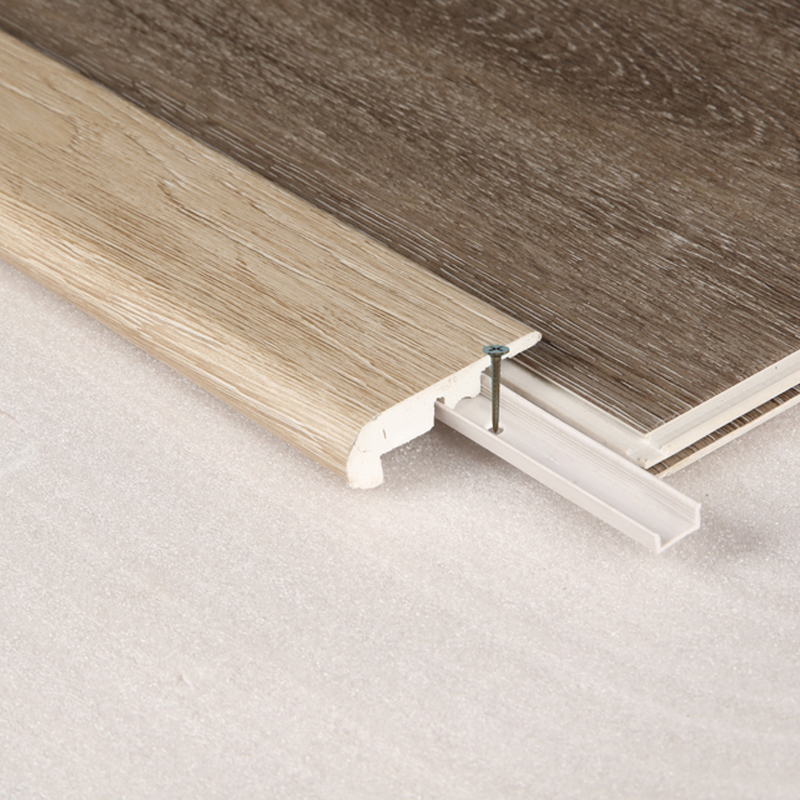
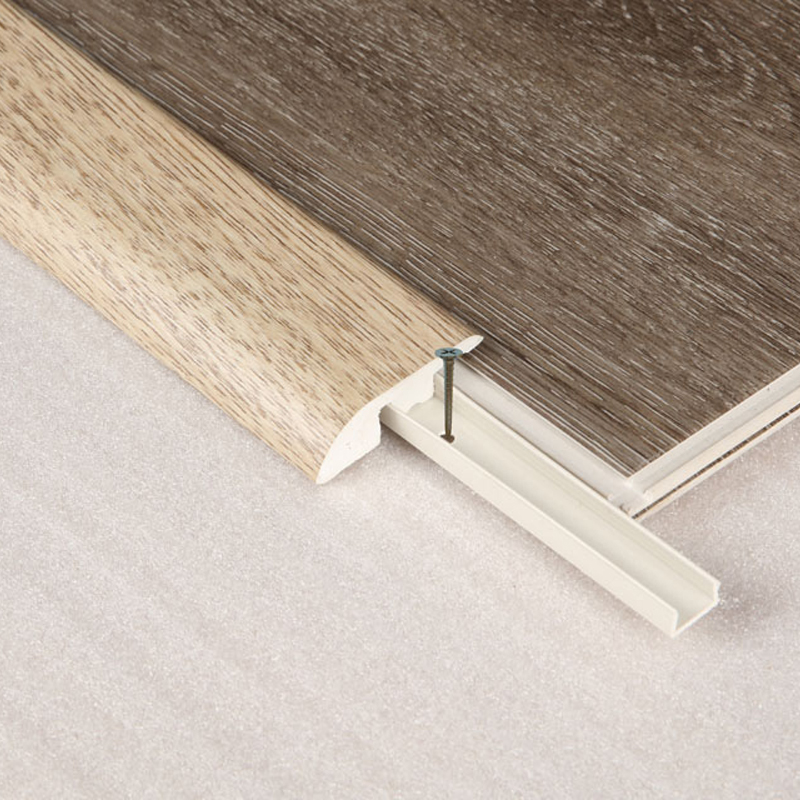
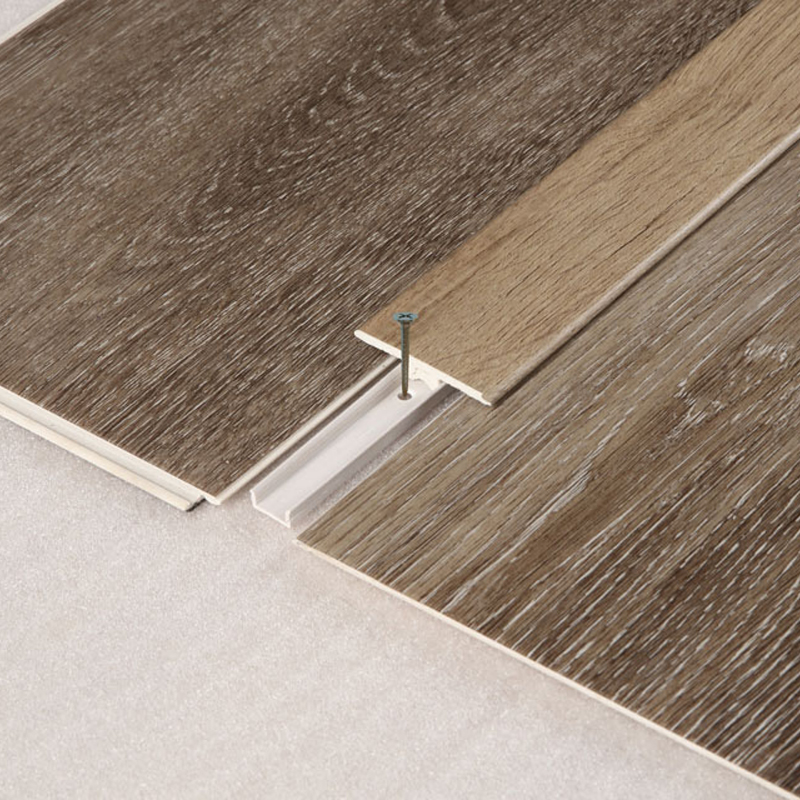
Transition strips are among the most critical flooring accessories in any installation. They serve as physical connectors between flooring surfaces of different heights, materials, or rooms. Common types include T-moldings (for joining two floors of equal height), reducer strips (for transitioning from a thicker floor to a thinner one, such as from wood to vinyl), and threshold strips (for doorways or entry points). These wood flooring transition accessories are specifically engineered to accommodate expansion gaps—typically 8–12 mm—that floating floors require to expand and contract with temperature and humidity changes.
From a technical standpoint, transition moldings must balance compressive strength with aesthetic continuity. High-quality versions feature aluminum or PVC cores with a decorative top layer that matches the floor’s finish. Decorative surface trims in this category often include brushed metal, wood-grain foils, or high-wear melamine overlays, ensuring they withstand foot traffic while maintaining visual harmony. For example, in a residential project where laminate flooring meets ceramic tile, a properly selected reducer strip not only masks the height difference but also prevents tripping hazards and collects less dirt than an uncovered edge.
Jiangsu Tiande New Material and Technology Co., Ltd. produces transition profiles that are rigorously tested for adhesion, scratch resistance, and colorfastness. Their manufacturing facility, spanning 46,000 square meters, uses automated precision extrusion lines to ensure that every decorative floor molding strip meets consistent dimensional tolerances—a crucial factor when matching accessories across large floor areas. This level of quality control reduces installation time and minimizes waste, which is especially valuable for contractors managing multiple job sites.
- T-moldings: Ideal for doorways between rooms with the same floor height; they create a clean, flush transition.
- Reducer strips: Essential when joining a 12mm laminate to a 6mm vinyl or carpet; they slope gradually to avoid abrupt edges.
- End caps/Thresholds: Used at exterior doors or fireplace hearths; they protect the floor edge from moisture and mechanical damage.
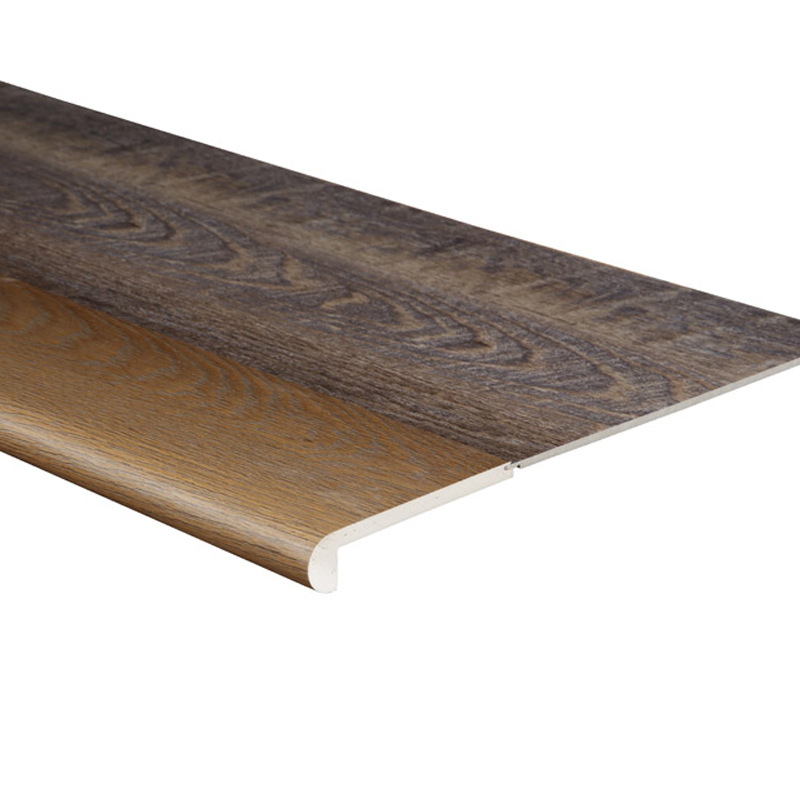
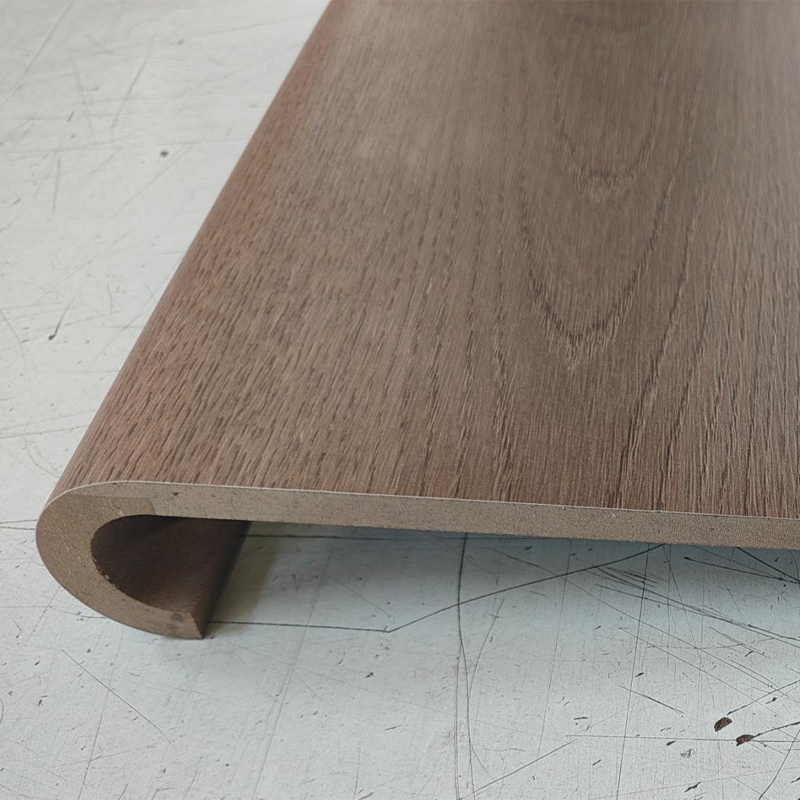
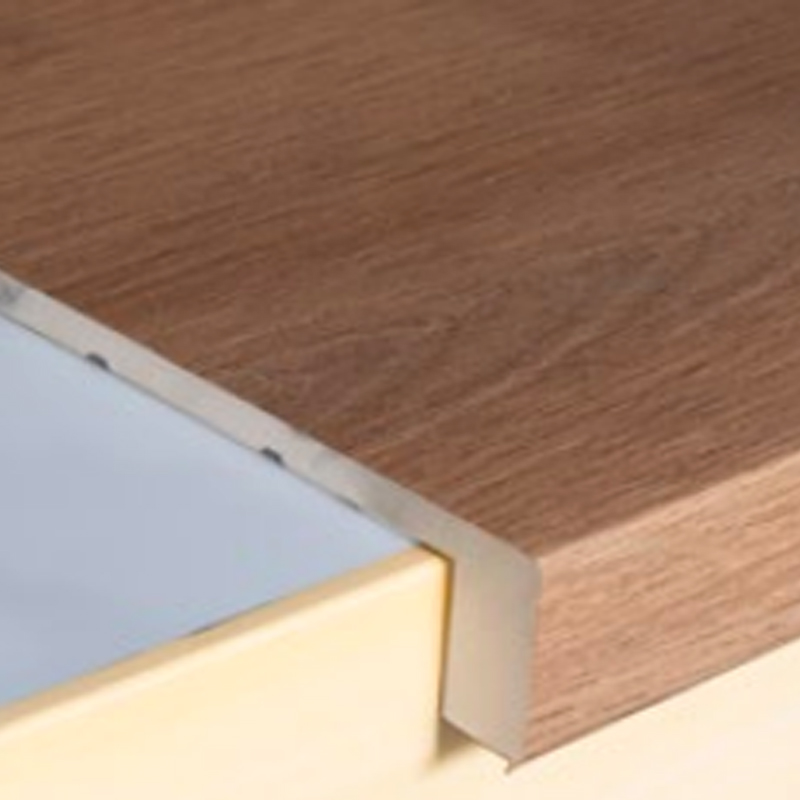
- Stair nosing: A specialized transition accessory that adds slip-resistant edges to steps, meeting most building safety codes.
| Transition Type | Height Difference Range | Typical Material Core | Recommended Application |
| T-Molding | 0 – 2 mm | Aluminum / Fiberboard | Same-height hardwood, laminate, or LVP |
| Reducer Strip | 2 – 10 mm | PVC / Engineered wood | Laminate to vinyl, wood to tile |
| Threshold / End Cap | 0 – 15 mm (with ramp) | Solid aluminum or brass | Exterior doors, sliding glass doors |
2. Underlayment and Moisture Barriers: The Invisible Protectors
Often hidden beneath the visible floor, underlayment is arguably the most functionally significant category of flooring accessories. It provides acoustic insulation, thermal resistance, and a forgiving layer that smooths minor subfloor imperfections. For concrete subfloors, a dedicated vapor barrier is non-negotiable; without it, residual moisture can migrate upward, causing plank swelling, mold growth, and adhesive failure. Wood flooring transition accessories may pair with underlayment systems, but the underlayment itself must be selected based on the flooring type, subfloor material, and expected humidity levels.
Modern underlayments combine multiple functions: closed-cell polyethylene foam offers impact sound reduction (often rated at 18–22 dB), while cork-based layers add natural thermal insulation and are highly resilient. For luxury vinyl planks (LVP), a rigid composite underlayment with an integrated moisture barrier simplifies installation and reduces the need for separate film. The choice directly affects the long-term performance of the floor; a poorly matched underlayment can void warranties and lead to costly repairs. Decorative surface trims are unaffected by underlayment choice, but the overall floor height changes—so you must coordinate transition strip heights with the combined thickness of flooring and underlayment.
Jiangsu Tiande New Material and Technology Co., Ltd. offers engineered underlayment solutions that are pre-tested for compatibility with their SPC and laminate flooring lines. Their R&D team, which brings more than 20 years of experience, has developed multi-layer underlayments that achieve a 15-year moisture warranty when installed according to guidelines. This integrated approach—matching flooring, underlayment, and decorative floor molding strips from a single supplier—reduces procurement complexity and ensures that all components interact reliably, especially in regions with high seasonal humidity.
- Foam underlayment: Lightweight, economical, and suitable for most floating installations with minimal subfloor defects.
- Cork underlayment: Superior sound dampening (up to 20 dB) and natural anti-microbial properties; ideal for multi-story apartments.
- Rubber composite: High density, excellent for heavy commercial foot traffic and gym flooring systems.
- Vapor barrier film (6 mil or thicker): Required for all concrete slabs; must overlap seams by at least 20 cm and be taped securely.
3. Wall Base, Quarter Round, and Decorative Molding Strips
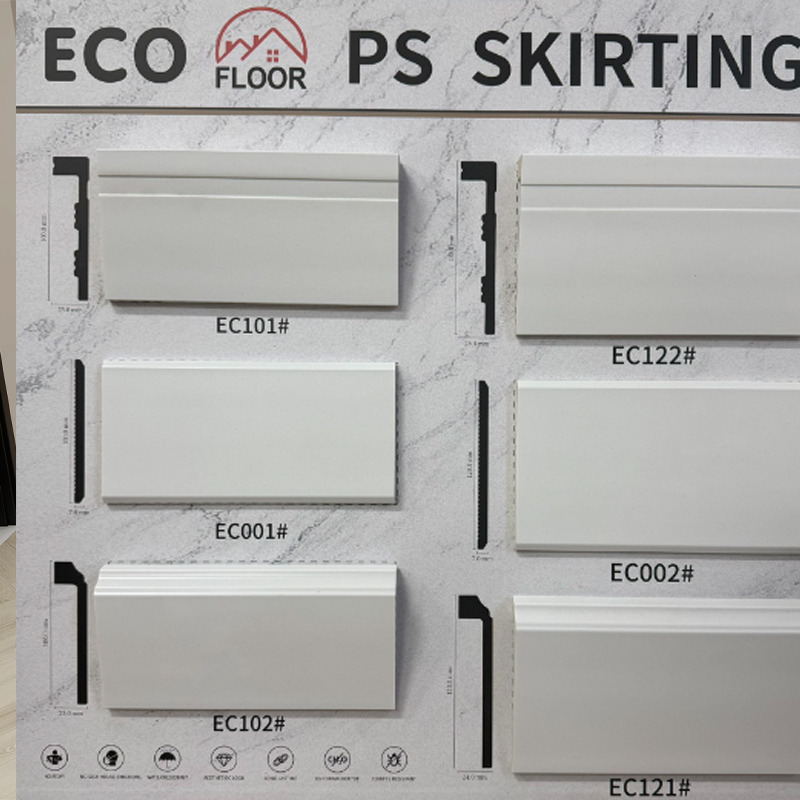
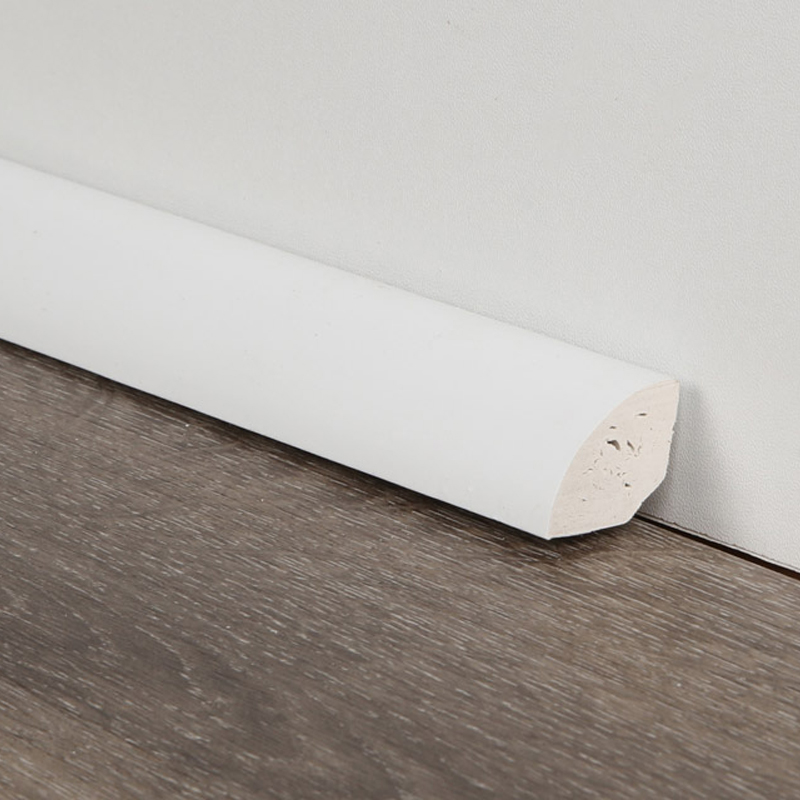
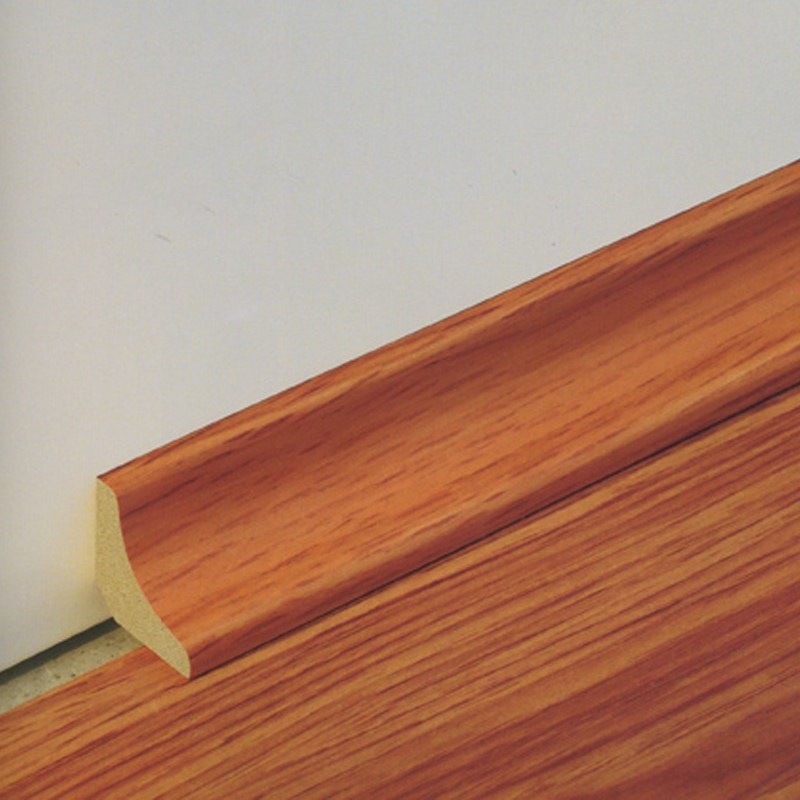
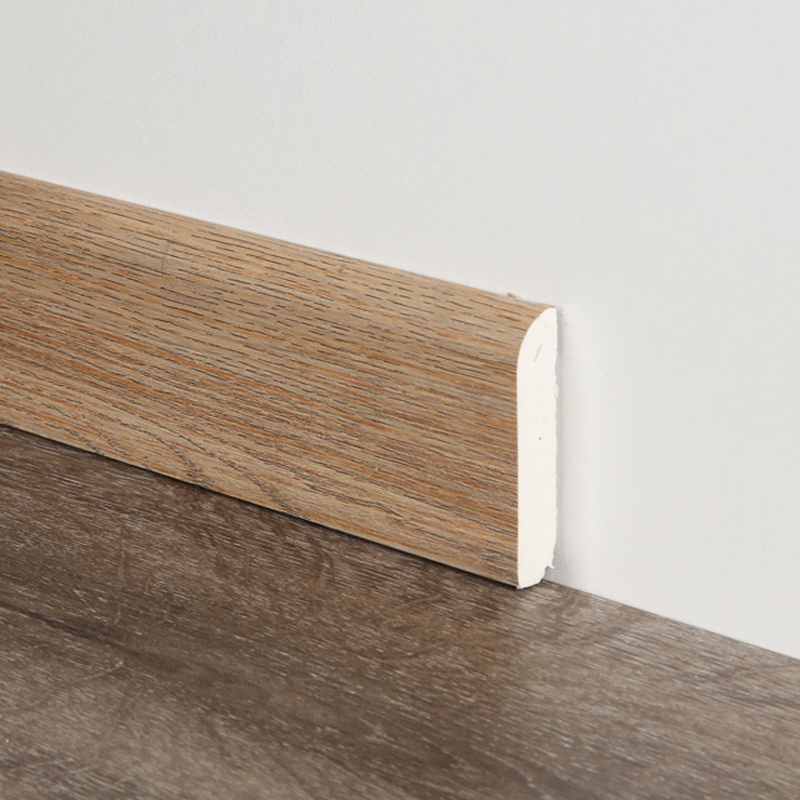
The final aesthetic touch—and a practical cover for expansion gaps—comes from wall base profiles and molding strips. These flooring accessories include standard baseboards, quarter-rounds, shoe moldings, and cap trims. Their primary job is to conceal the perimeter expansion gap (typically 10–15 mm) left between the floor and the wall. Without these trims, the gap would collect dust, compromise thermal insulation, and look unfinished. More importantly, they protect the wall from scuffs caused by vacuum cleaners, mops, and furniture.
When selecting decorative floor molding strips, consider material compatibility: PVC or vinyl moldings are moisture-resistant and ideal for kitchens and bathrooms; solid wood or MDF-based trims offer a premium look but require sealing to prevent edge swelling. Decorative surface trims in this category often mimic the floor’s grain pattern, creating a monolithic appearance that makes the room feel larger. For contemporary designs, low-profile aluminum or matte black trims provide a sharp architectural line, whereas traditional interiors benefit from taller, ornately profiled baseboards.
Jiangsu Tiande New Material and Technology Co., Ltd. produces coordinated molding kits that match their most popular flooring decors—from natural oak to gray-washed walnut. Their automated painting and embossing lines ensure that the decorative floor molding strips display consistent color and gloss levels, reducing the risk of mismatched batches. For large-scale projects, they offer custom length options (up to 3.6 meters) to minimize joints and speed up installation. The company’s 46,000‑square‑meter facility allows them to maintain in‑stock availability for over 50 standard profiles, supporting just‑in‑time deliveries for contractors and distributors worldwide.
- Quarter round: Small, curved molding that sits directly against the baseboard, ideal for covering gaps on uneven walls.
- Shoe molding: Slightly taller than quarter round, with a more squared profile; often used in modern or transitional interiors.
- Cap trims: Used on top of baseboards or at the junction of floor and cabinetry; adds a finished, built‑in look.
- Flexible vinyl base: Suitable for curved walls or columns; can be heat-bent without cracking.
4. Fasteners, Adhesives, and Specialty Accessories
Beyond the large visible components, a complete installation depends on reliable fasteners and adhesives—often overlooked but essential flooring accessories. These include floor patching compounds, self‑leveling underlayment primers, construction adhesives for glue‑down applications, and specialty clips for floating floors. For floating installations, click‑lock connectors and edge clips maintain panel alignment during temperature cycles. For glue‑down hardwood or engineered wood, moisture‑cured urethane adhesives provide permanent bonding, while pressure‑sensitive adhesives allow for future plank replacement.
The interaction between adhesives and wood flooring transition accessories is critical; incompatible adhesives can stain transition profiles or weaken their attachment. Therefore, professional installers always test adhesive compatibility with the accessory’s core material—especially for aluminum or PVC profiles that may react with solvent‑based glues. Decorative surface trims that are mechanically fastened (using screws or clips) offer a cleaner installation and easier future modifications compared to fully glued trims.
Jiangsu Tiande New Material and Technology Co., Ltd. provides detailed technical datasheets for their recommended fastening systems, ensuring that every accessory—from transition strip to wall base—has a specified installation method. Their 20‑year track record in international sales has taught them that the smallest components often cause the biggest field issues, so they pre‑assemble sample kits with labeled fasteners and written instructions. This attention to detail has made them a preferred partner for large‑scale residential and hospitality projects where consistency and speed are paramount.
Frequently Asked Questions
Q1: Can I mix transition accessories from different brands with my flooring?
While technically possible, mixing brands often leads to color mismatch, height incompatibility, and warranty conflicts. It is strongly recommended to source all flooring accessories from the same manufacturer as your flooring—such as Jiangsu Tiande New Material and Technology Co., Ltd.—to guarantee coordinated finishes and proper expansion gap coverage.
Q2: What is the difference between a reducer strip and a T-molding?
A reducer strip is designed for joining two floors with different thicknesses (e.g., laminate to vinyl), creating a gentle slope. A T-molding is used when two floors are at the same height but need a visible expansion joint—it forms a flat “T” shape that covers the gap without altering the level.
Q3: Is underlayment always required for floating floor installations?
Most floating floors require an underlayment to reduce sound transmission, provide thermal insulation, and compensate for subfloor irregularities. Some premium products include an attached underlayment pad, but additional moisture barriers are still needed over concrete. Always check the flooring manufacturer’s guidelines—ignoring this can void the product warranty.
Q4: How do I choose the correct wall base profile for my space?
Consider the room’s moisture level, traffic, and design style. For bathrooms and kitchens, waterproof PVC or vinyl cove bases are ideal. For living areas, painted or stained wood bases add warmth. Height matters too: 2.5‑inch bases suit modern interiors, while 4‑inch or taller bases are common in traditional settings. Decorative surface trims can be matched to your flooring’s finish for a seamless look.
Q5: Does Jiangsu Tiande New Material and Technology Co., Ltd. offer custom molding lengths?
Yes, they provide custom cutting and finishing services for large orders, ensuring that wood flooring transition accessories and molding strips arrive at your site in exact specified lengths, reducing on‑site cutting waste and labor time. Their automated facility can accommodate orders up to 3.6 meters long with consistent color matching.
Selecting the complete set of flooring accessories is not an afterthought—it is a strategic decision that influences durability, comfort, and visual appeal. From transition strips that bridge floor levels to underlayment that protects against moisture and noise, each accessory plays a specific role in a successful installation. Manufacturers like Jiangsu Tiande New Material and Technology Co., Ltd. simplify this process by offering coordinated systems that are tested together, backed by decades of manufacturing experience and a global supply chain. Whether you are renovating a single room or managing a multi‑floor development, investing in high‑quality flooring accessories ensures your floor remains stable, beautiful, and low‑maintenance for years to come.

Reliable Flooring Manufacturing
Professional SPC & Laminate Flooring Manufacturer
- Product Categories
- Address: 1337 Chenfeng Road, Economic Development Zone, Jintan District, Changzhou City, Jiangsu Province, China
- E-mail: info@tdfloor.com
-
Tel: +86-18351221480 (WhatsApp)
+86-519-82827168
Copyright ©
Jiangsu Tiande New Material And Technology Co.,Ltd. All Rights Reserved.
Custom Decorative Surface Trims and Decorative Floor Molding Strips Factory

